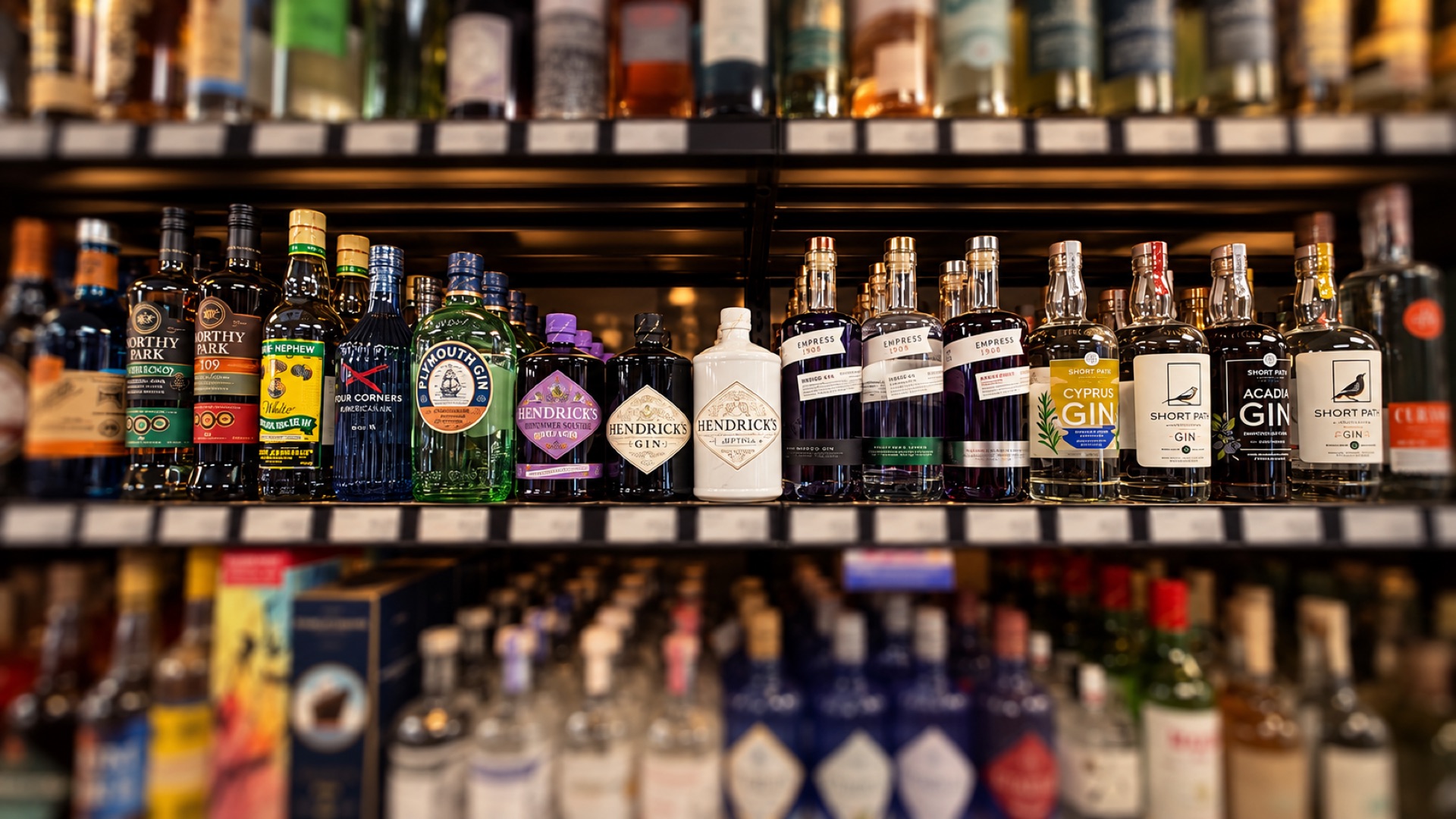
Spirits · The Spirits Explained · Part 2 of 6
Gin: Juniper, Botanicals & Herbs
From medicinal beginnings to martinis and everything in between, a beginner's introduction to the botanical world of gin.
Gin. The sophisticated, slightly eccentric spirit that smells like a pine forest, tastes like an herb garden, and invaluable component of some of the world's most elegant cocktails. It is the lifeblood of the martini, the classic companion of tonic water, and the reason countless bartenders have spent an unreasonable amount of time debating whether a lemon twist or an olive belongs in a glass.
Gin has historical ties with my day job - long before it was being served in crystal-clear martinis at swanky cocktail lounges, its ancestors were associated with medicine, and it was the center of an infamous drinking epidemic that had 18th-century London in a state of absolute chaos.
Quite the transformation for a spirit that, at its heart, is essentially flavored alcohol.
So what exactly is gin, how is it made, and why do some bottles taste like Christmas trees?
Neutral-Grain Spirits
To understand gin, we should step back one level and introduce something that serves as the base for both gin and vodka: neutral grain spirits (NGS). An NGS is a high-proof (95-96% ABV), largely flavorless alcohol distilled from fermented grains such as wheat, corn, or barley.
Vodka makers then essentially dilute it to ~40% ABV to make standard bottled vodka. Gin makers also dilute it a bit, then infuse it with juniper and other botanicals to create the spirit’s distinctive flavor. The process is a bit more nuanced than I just said but, we’re keeping it simple here.
Gin, in a Nutshell
At its core, gin is a spirit flavored primarily with juniper berries, often alongside a carefully selected assortment of other plants, herbs, fruits, roots, and spices collectively known as botanicals. These ingredients imbue gin with its distinctive personality.
And what a personality it can have.
One gin might be crisp, dry, and wonderfully piney. Another might burst with citrus, delicate flowers, or warm spices. Some are earthy and herbal, while others are so fragrant they smell like someone accidentally distilled a botanical garden.
But one thing must remain true: juniper must remain the predominant flavor of gin. The other botanicals can contribute all sorts of interesting characteristics, but juniper is what gives the spirit its identity, and European regulations ensure that this is the case.
And yes, juniper berries really do smell and taste a little like pine needles. They're not technically berries in the botanical sense, either, but rather fleshy seed cones from a type of conifer.
So if you've ever wondered why gin reminds you of Christmas, there's your answer.
A Brief History: From Medicine to Mother's Ruin
Gin's history is filled with legends and begins long before the first bartender thought to combine it with vermouth or tonic water. For this reason, I want to spend a little time going over its origins.
Its roots are closely associated with genever, a juniper-flavored spirit traditionally produced in the Low Countries, particularly the regions we now know as the Netherlands and Belgium.
Early juniper-flavored preparations were sometimes associated with medicinal uses. Juniper itself had a long history in herbal remedies, and alcohol was a convenient way to extract and preserve various plant compounds. As with plenty of alcohol history, the truth is a little murkier than the legend. One popular story credits a 17th-century Dutch physician named Franciscus Sylvius with inventing genever. It's a charmingly tidy origin story, but historians have found evidence of juniper-based spirits long predating him.
The Gin Craze: When London Lost Its Mind
Things took a rather dramatic turn when juniper-flavored spirits gained popularity in England.
By the early 18th century, gin had become extraordinarily accessible, especially among London's poorer residents. It was often inexpensive, widely available, and produced with varying levels of quality and oversight.
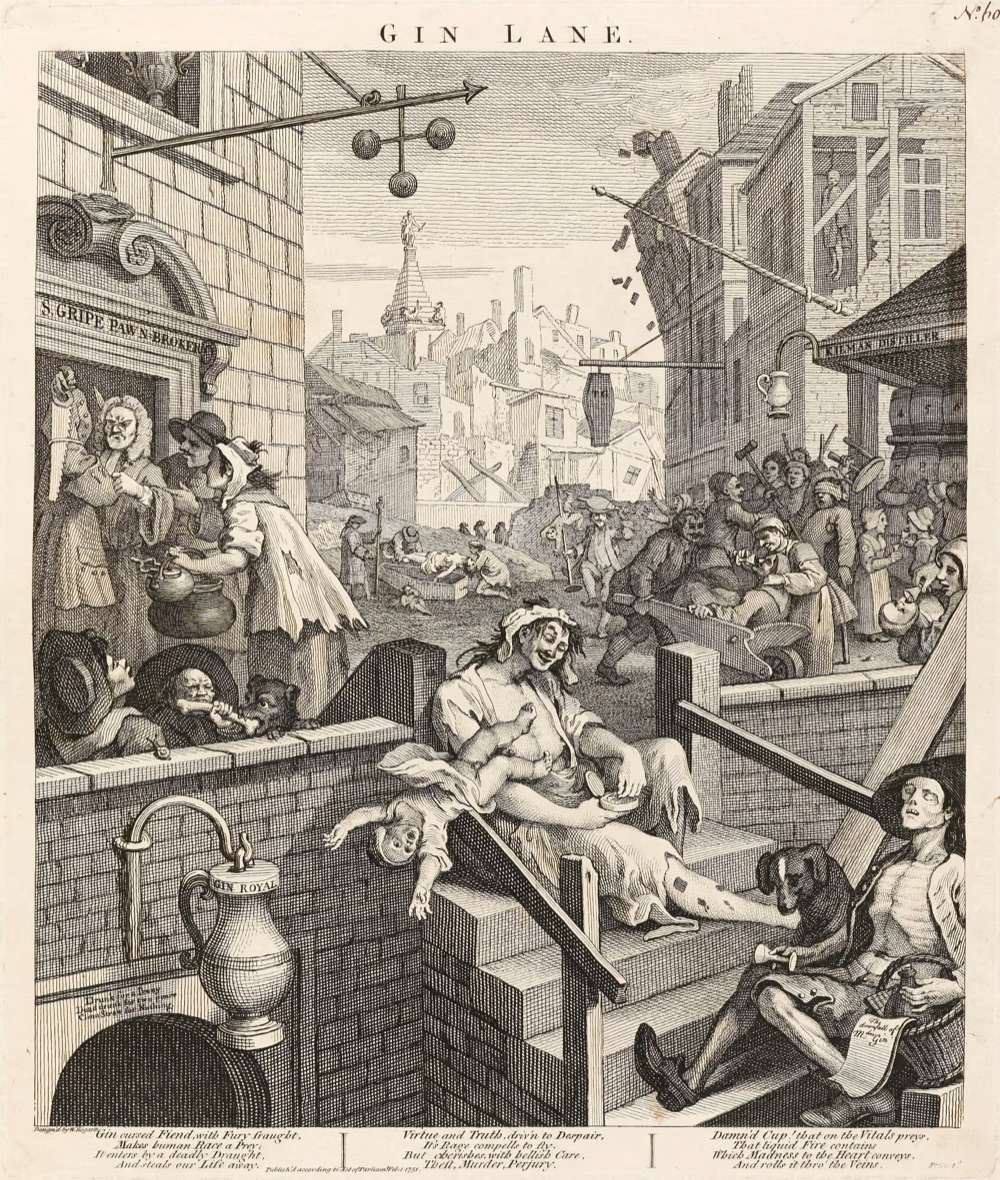
What followed became known as the Gin Craze, a period of excessive gin consumption and widespread public concern about its effects on society.
Gin developed such a notorious reputation that it earned the rather ominous nickname “Mother's Ruin.” The chaos was famously illustrated in William Hogarth's 1751 engraving Gin Lane, which depicted a bleak London neighborhood consumed by drunkenness, poverty, neglect, and disorder.
Not exactly the kind of advertising campaign that would get approved by a modern spirits company.
Parliament responded with a series of Gin Acts aimed at regulating production and sales. Over time, tighter controls, changing social conditions, and improvements in distillation helped reshape Britain's gin industry.
From Scandal to Sophistication
As distillation technology improved, producers became capable of making increasingly clean, neutral spirits.
This was an important turning point. Earlier gin-like spirits often had a noticeable grain (e.g. "cereal") character, while cleaner base alcohol allowed the botanicals to take center stage. The crisp, juniper-forward style we now associate with London Dry gin became increasingly prominent.
Gin also found a natural home in the growing world of mixed drinks. The development of cocktails such as the Martini and Tom Collins, eventually helped secure its place behind the bar. Additionally, with the discovery of quinine as an anti-malarial, the gin & tonic became a popular way to make taking medicinal doses of quinine palatable.
By the time the cocktail culture of the 20th century was in full swing, gin was a vital part of the upper-class drinking scene in Europe. For a spirit once blamed for practically everything wrong with London, this was not a bad turnaround.
How Gin Is Made
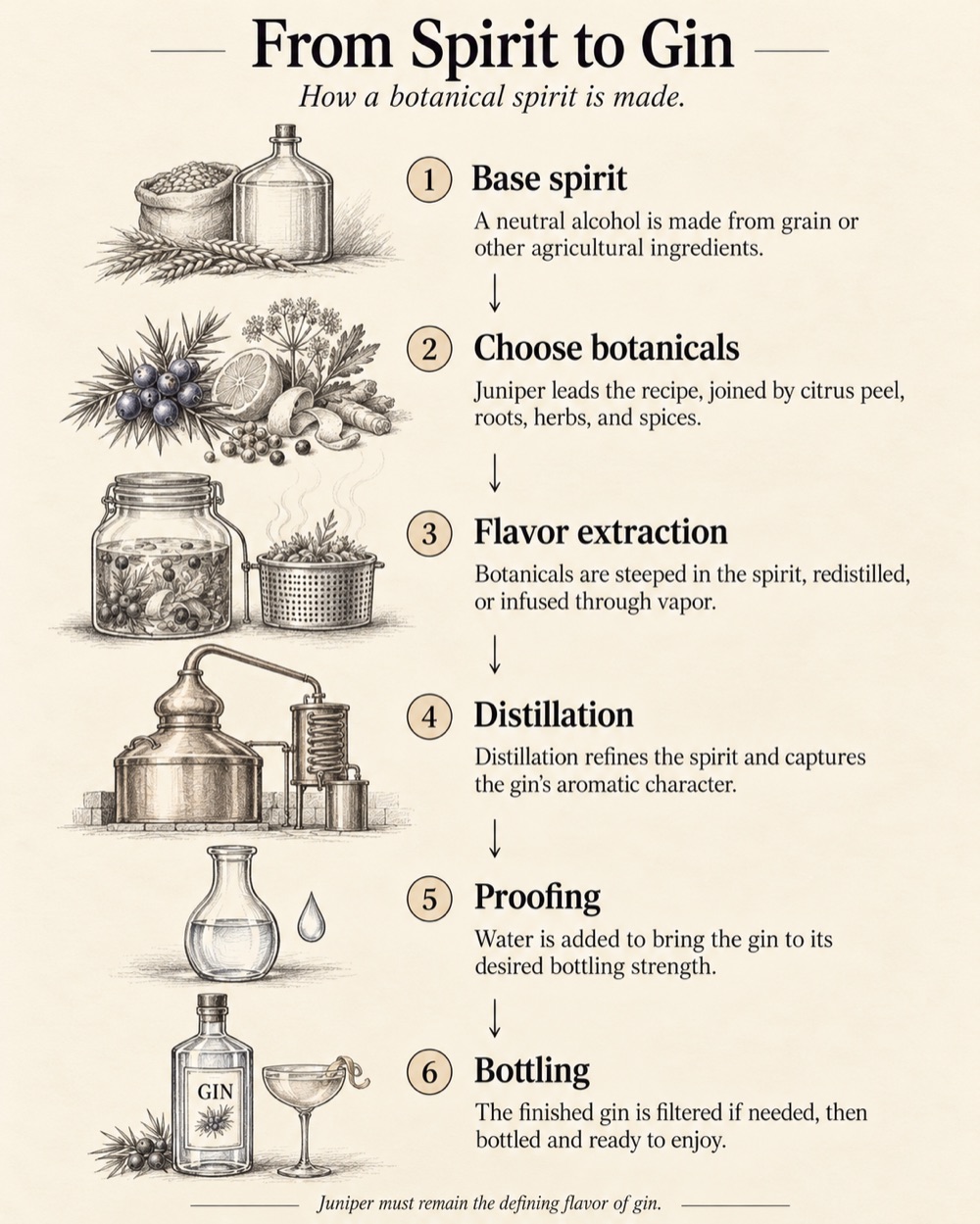
Unlike whiskey, gin generally doesn't need years in a barrel to develop its identity. Instead, its character comes from the combination of a base spirit, botanicals, and the techniques used to bring those ingredients together.
1. Creating the Base Spirit
Most modern gin begins with a relatively neutral alcohol (the neutral grain spirit we talked about earlier) distilled from agricultural ingredients, often grains such as wheat, corn, or barley, although other agricultural sources may be used.
The base spirit is typically distilled to a high alcohol concentration, removing much of the original ingredient's flavor.
Why start with something relatively flavorless? Because gin producers generally want a clean canvas on which their botanicals can shine.
There are exceptions, of course, particularly among more traditional or deliberately grain-forward styles. But for most familiar gins, the botanical recipe is the main attraction. Which brings us to:
2. Selecting the Botanicals
Distillers choose a combination of botanicals to create their desired flavor profile. Some recipes contain only a handful of ingredients, while others feature dozens.
Juniper is the essential ingredient, but a gin's supporting cast can include citrus peels, herbs, seeds, roots, flowers, and spices from around the world.
There's no universal formula that all gin producers must follow. Some recipes are closely guarded trade secrets. Others are proudly displayed on the bottle, with distilleries making a point of showcasing their unusual ingredients.
Whiskey’s brand variations come from barrel-aging and fermentation/distillation; gin’s come from botanical recipes. This is why the brand and type of gin you use affects cocktail taste more than brand/type of whiskey.
3. Extracting the Flavors
Once the botanicals have been selected, the producer needs to transfer their flavors and aromas into the alcohol.
Two common techniques are:
- Maceration: Botanicals are steeped in alcohol, allowing their aromatic compounds to dissolve into the liquid. Think of steeping tea, except considerably stronger and with substantially more juniper.
- Vapor infusion: Alcohol vapor passes through a basket containing botanicals during distillation, picking up their aromatic compounds along the way.
Some distillers combine these techniques, macerating certain ingredients while vapor-infusing others. The spirit may then be diluted to its intended bottling strength before being filtered and bottled.
It's also worth noting that not all gin is flavored through botanical redistillation. Certain categories allow approved flavorings to be added to a neutral spirit, while others have stricter production requirements.
We'll touch on those differences shortly.
4. Does Gin Need to Be Aged?
Generally speaking, no. Most gin is bottled without barrel maturation, which explains why the familiar styles are usually clear.
However, some producers deliberately age gin in wooden barrels to introduce additional flavors such as vanilla, spice, and oak.
These aged gins occupy an interesting middle ground, combining gin's botanical character with some of the woody influences we associate with whiskey. They can be especially fun to experiment with in spirit-forward cocktails.
But for now, remember: whiskey often spends years developing in wood; gin usually develops its personality through botanicals.
The Botanicals
Let's take a closer look at the ingredients responsible for turning neutral alcohol into something far more interesting.
While juniper is the star, other botanicals shape the final spirit in much the same way that seasoning transforms a dish.
| Botanical | Common flavor contributions |
|---|---|
| Juniper berries | Pine, resin, fresh herbs, woody notes |
| Coriander seed | Citrus, gentle spice, peppery warmth |
| Lemon and orange peel | Bright citrus, zest, freshness |
| Angelica root | Earthy, herbal, slightly woody character |
| Orris root | Floral, earthy notes; also helps support and integrate aromas |
| Cardamom | Warm, aromatic, lightly sweet spice |
| Licorice root | Sweet-seeming, herbal, slightly earthy flavors |
| Lavender and rose | Floral, perfumed aromas |
| Cucumber | Fresh, green, delicate vegetal notes |
It's important to remember that these ingredients don't necessarily taste exactly as they do when eaten or smelled individually. Distillation changes how their aromatic compounds are extracted and presented, and the balance between botanicals can dramatically alter the overall impression.
For example, a gin containing coriander seed won't necessarily taste like a bunch of fresh cilantro. Coriander seeds have their own citrusy, spicy character, distinct from the fresh leaves. And those earthy roots? They might not sound particularly exciting on paper, but they're often essential for giving a gin structure and helping its brighter, more fragrant flavors feel balanced.
The Major Styles of Gin
Now that we understand what goes into gin, let's explore what actually ends up on the liquor-store shelf.
Unlike whiskey, whose styles are often classified by geography, grain composition, and maturation, gin is frequently categorized by its botanical character and production methods.
Some names describe legally defined production categories, while others are historical traditions or informal flavor styles. The classification of gin is far more loose than most other spirits.
Here's a quick overview:
| Style | General character | Brands or examples |
|---|---|---|
| London Dry | Crisp, juniper-forward, often citrusy and dry | Tanqueray London Dry, Beefeater, Bombay Sapphire |
| Plymouth | Rounded, earthy, juniper-led, with citrus and spice | Plymouth Gin |
| Old Tom | Generally softer, rounder, often slightly sweet | Hayman's Old Tom, Ransom Old Tom |
| Contemporary / New Western | Highlights floral, citrus, herbal, or unusual botanicals | Hendrick's, The Botanist, Aviation |
| Genever | Malty, grain-forward, sometimes whiskey-like | Bols Genever, Old Duff Genever |
| Navy Strength | Higher-proof gin with concentrated character | Plymouth Navy Strength, Hayman's Royal Dock |
| Barrel-Aged Gin | Botanicals with added oak, vanilla, or spice notes | Citadelle Réserve and other barrel-rested expressions |
| Sloe Gin | Sweet-tart, fruity liqueur made using sloe berries and gin | Plymouth Sloe Gin, Hayman's Sloe Gin |
There are a couple caveats to the way this list is categorized: Navy Strength, for example, refers to alcohol strength, not a particular botanical recipe. A gin can be both London Dry and navy strength. But being a higher proof alcohol does affect the taste and flavor profile of the gin.
With that in mind, let's explore the most useful distinctions for a newcomer.
1. London Dry: The Classic Gin
If gin had a default setting, London Dry would probably be it. This is the classic, crisp, juniper-forward style that has helped define gin's identity for generations.
Despite the name, London Dry gin doesn't have to be made in London. The term refers to a specific production style, not a geographical origin.
Under European rules, London gin must derive its botanical flavor through distillation, with restrictions on ingredients, coloring, and sweetening. The word dry refers to very limited added sweetness, not the absence of flavor.
In terms of taste, London Dry often emphasizes juniper, citrus peel, coriander, and other traditional botanicals.
Expect something aromatic, clean, and refreshing, with enough botanical backbone to stand up to other cocktail ingredients.
Behind the bar
London Dry is arguably the most versatile starting point for a home bartender building a gin collection.
It works beautifully in a Martini, Negroni, Gin & Tonic, or classic Gimlet.
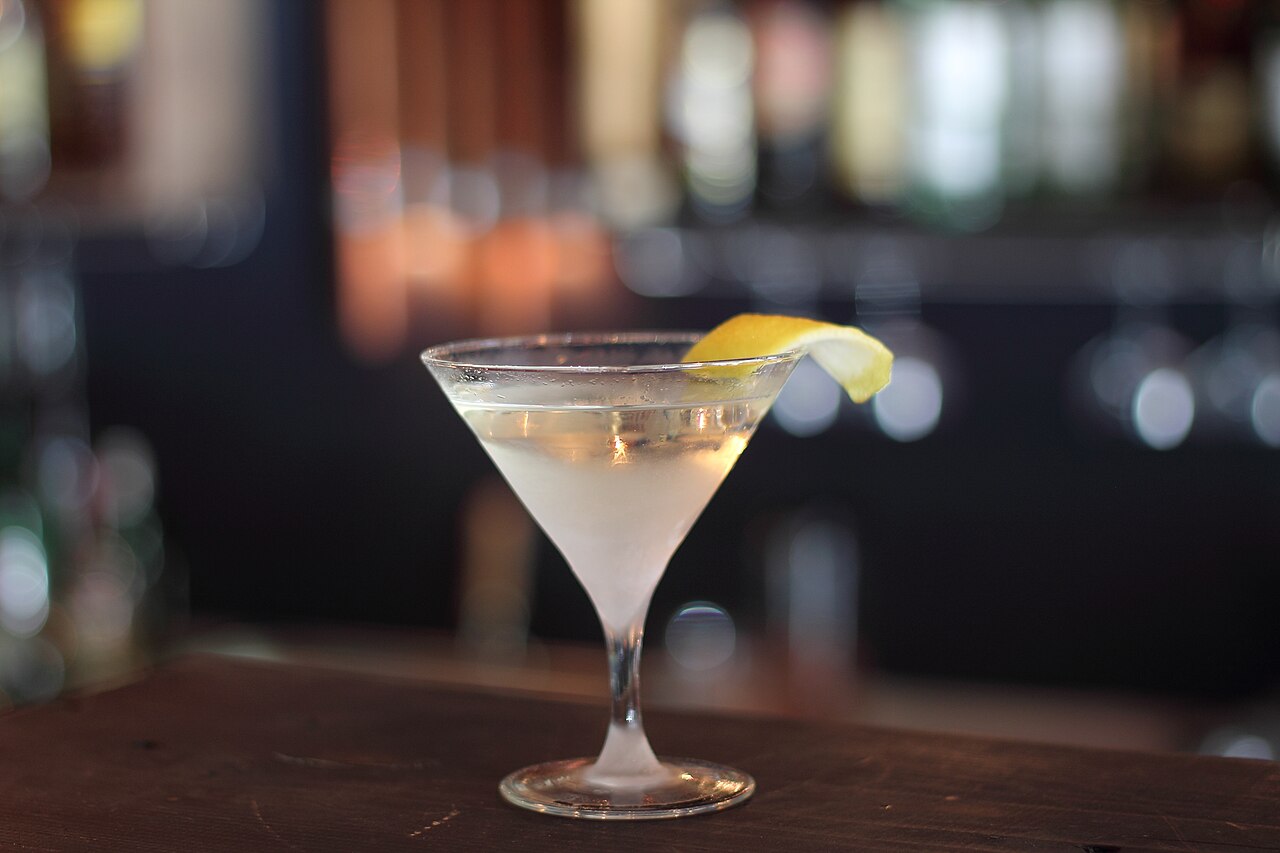
Dry Martini
gin, dry vermouth
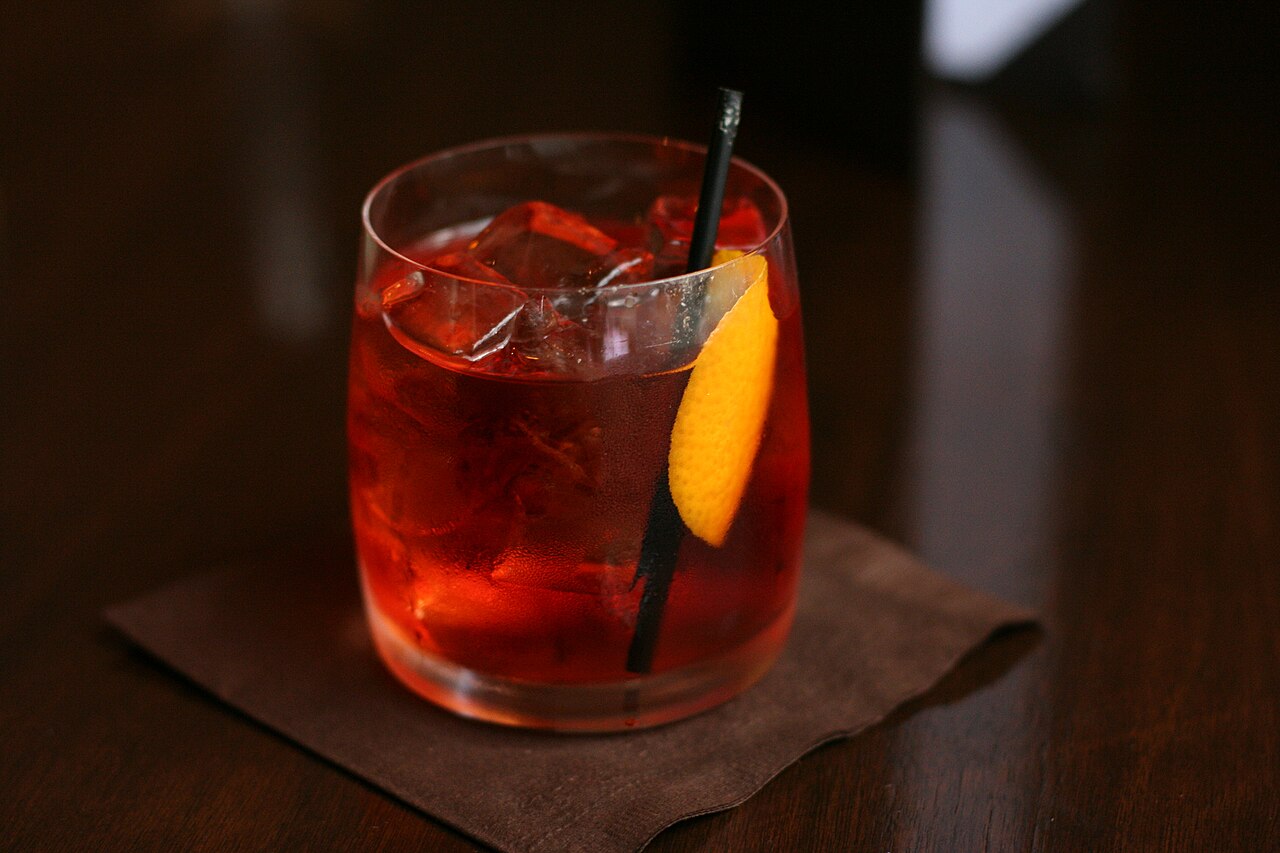
Negroni
gin, Campari, vermouth
Gin & Tonic
gin, tonic
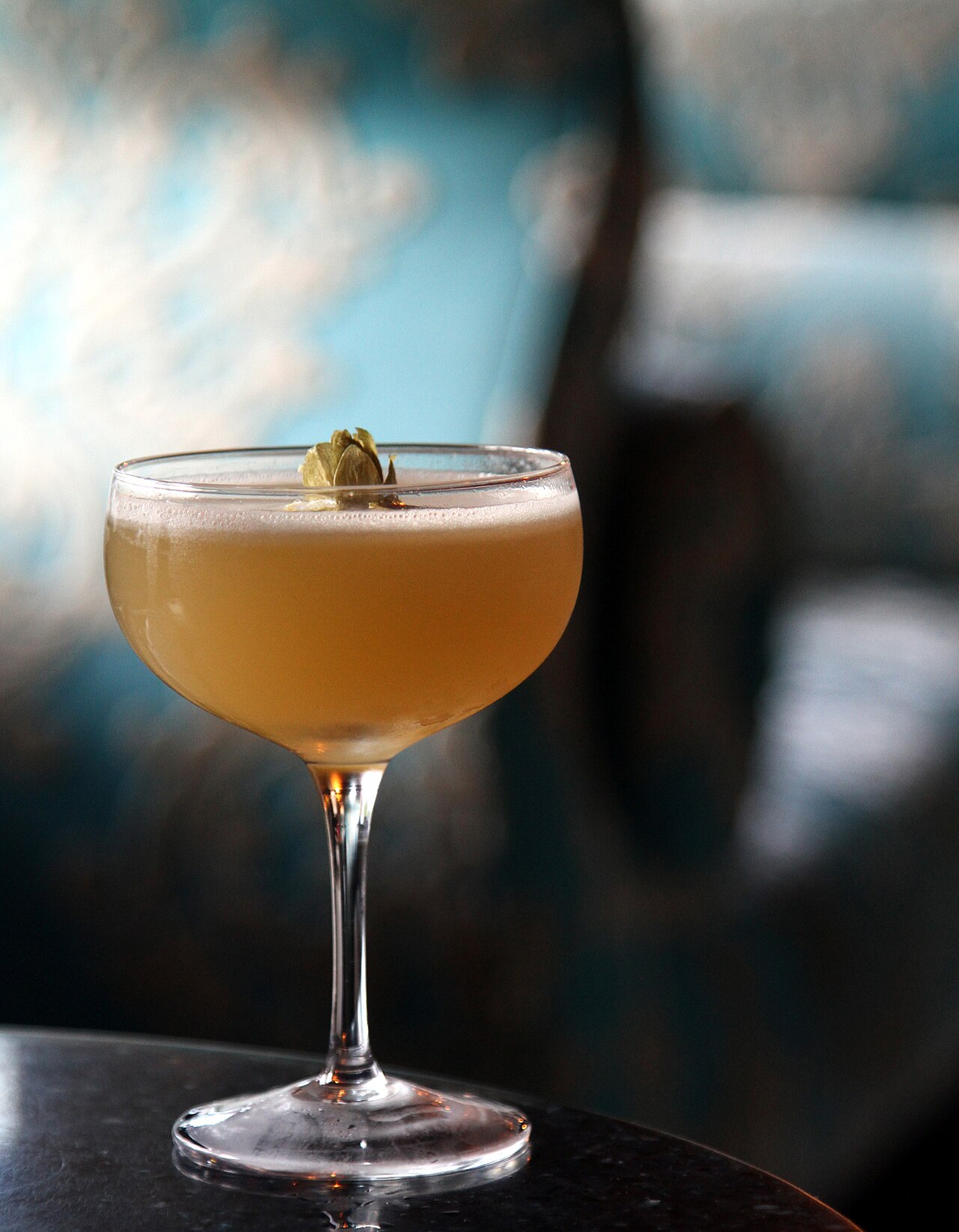
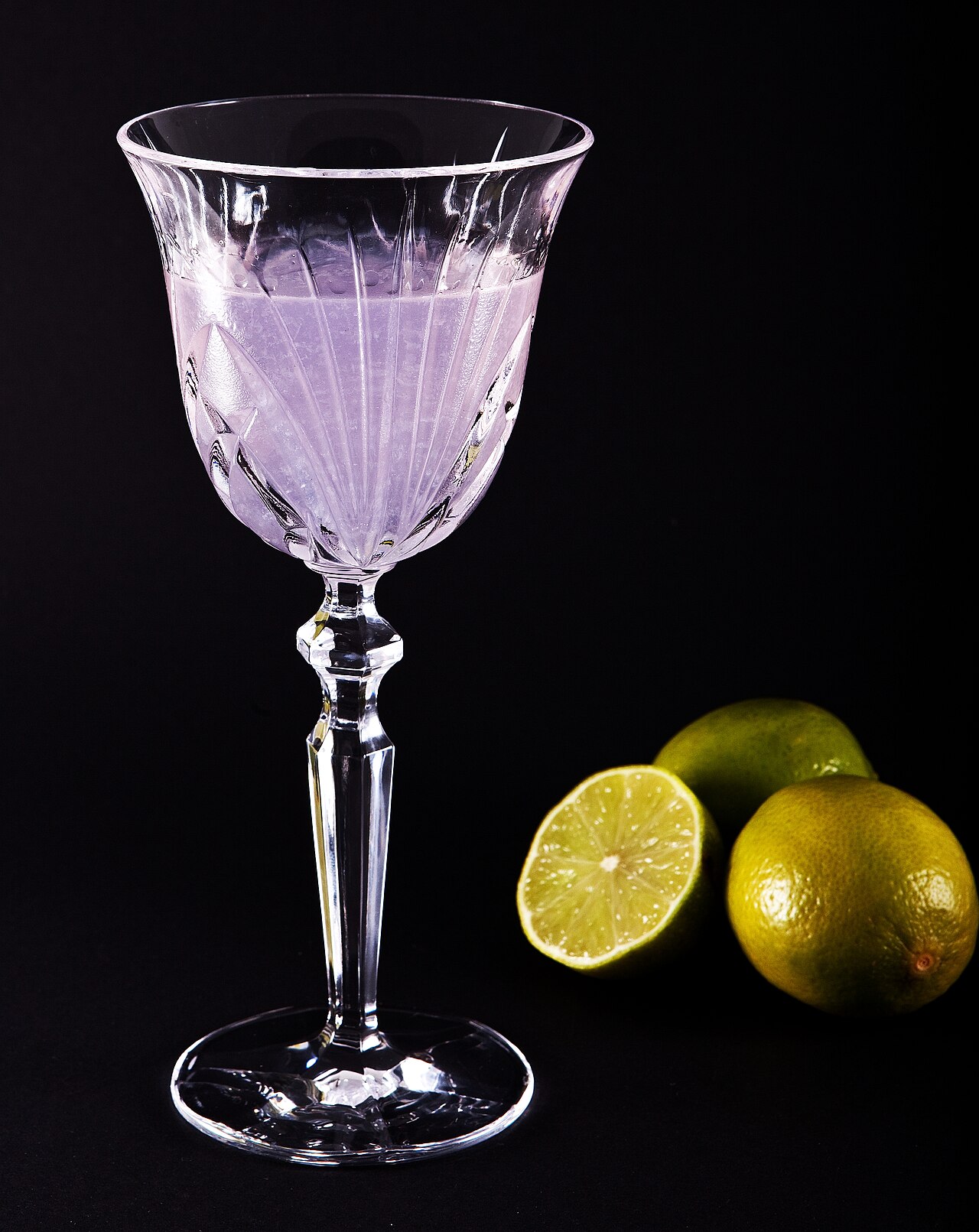
Gimlet
gin, lime, sugar
The assertive juniper character is especially useful in cocktails like the Negroni, where gin has to hold its own against the bold bitterness of Campari and the rich sweetness of vermouth.
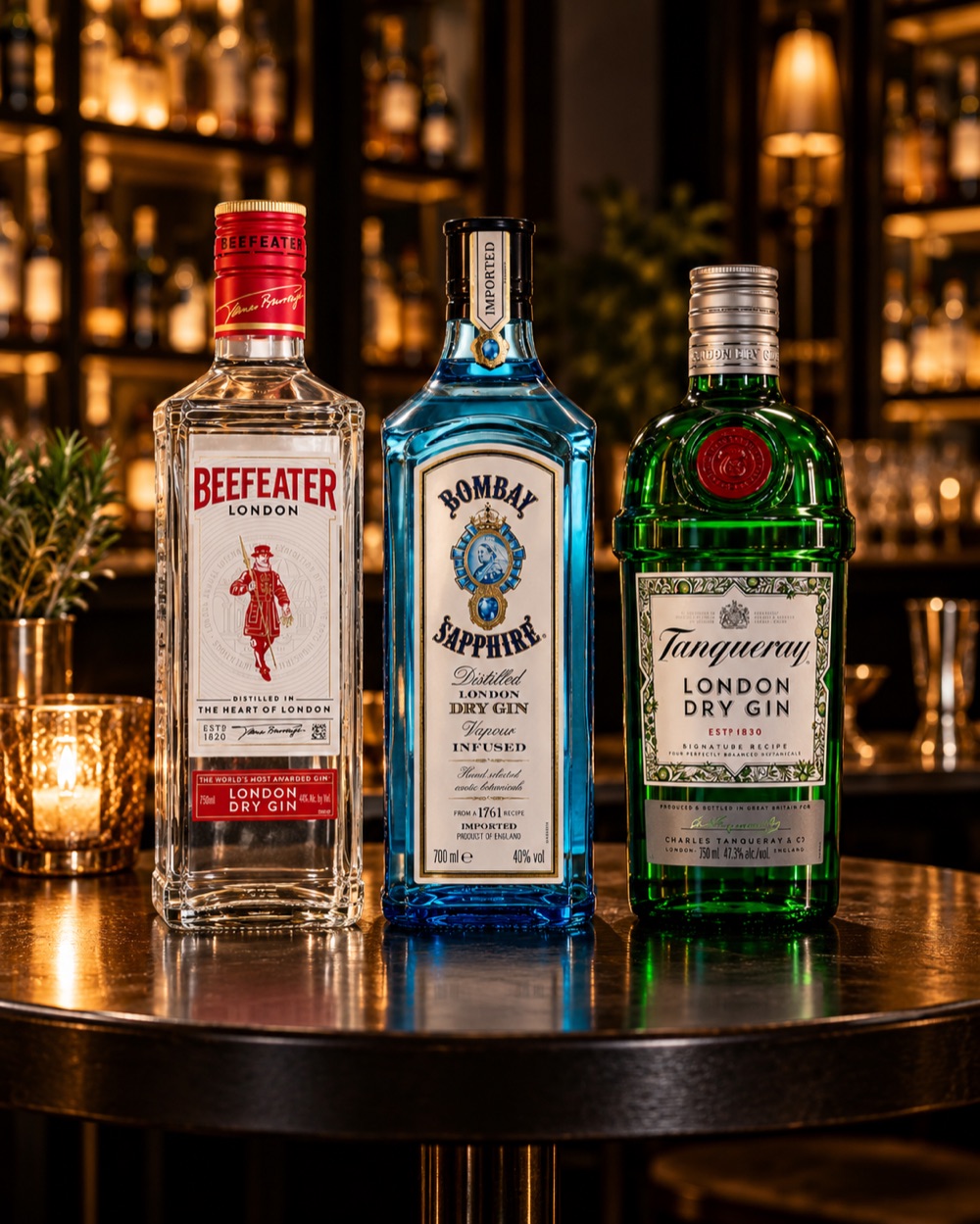
For a beginner, familiar options such as Tanqueray London Dry, Beefeater, or Bombay Sapphire offer excellent opportunities to explore this general style.
They won't taste identical, but comparing them is a great way to appreciate how traditional botanical combinations can produce different results.
2. Plymouth Gin: Softer and Earthier
Plymouth is a name you'll encounter frequently when exploring classic gin cocktails.
Historically associated with the English port city of Plymouth, the style is often described as rounder and earthier than a stereotypically sharp London Dry.
The best-known example is, appropriately enough, Plymouth Gin, which has been produced at the Black Friars Distillery since 1793.
Its recipe includes seven botanicals, among them juniper, coriander, cardamom, citrus peels, angelica, and orris root.
The result is a gin with noticeable juniper character but also a pleasing balance of earthy, citrusy, and aromatic notes.
And before things get confusing, Plymouth is not currently a separate general legal category of gin like London gin. It's best understood here as a historic gin identity closely associated with a particular producer and place.
Behind the bar
Plymouth Gin is a lovely option for a Martini, Martinez, or other classic gin-forward cocktail.
If you find some London Dry gins a little too sharp or intensely piney, Plymouth is worth exploring.
Think of it as the slightly more relaxed relative of London Dry: still sophisticated, still unmistakably gin, but perhaps less inclined to introduce itself by shouting “JUNIPER!” across the room.
3. Old Tom: Gin's Sweeter Ancestor
Before modern London Dry became dominant, another style had a prominent place in gin's history: Old Tom. It is generally associated with a softer, rounder, and often slightly sweeter character than London Dry.
But it's not a perfectly standardized flavor category. Historical recipes varied, and modern producers have interpreted the style in different ways. Some versions emphasize a gentle sweetness, while others preserve more grain character or botanical richness.
The important distinction for beginners is that Old Tom often feels less austere than a classic London Dry.
Behind the bar
Old Tom is most notable in historical gin cocktails. One example is the Tom Collins (taking “Tom” from the gin), a refreshing combination of gin, lemon juice, sugar, and soda water. Although modern versions are frequently made with London Dry, Old Tom can create a rounder, slightly richer drink.
It's also worth trying in a Martinez, a classic gin-and-vermouth cocktail often considered an important ancestor of the Martini.
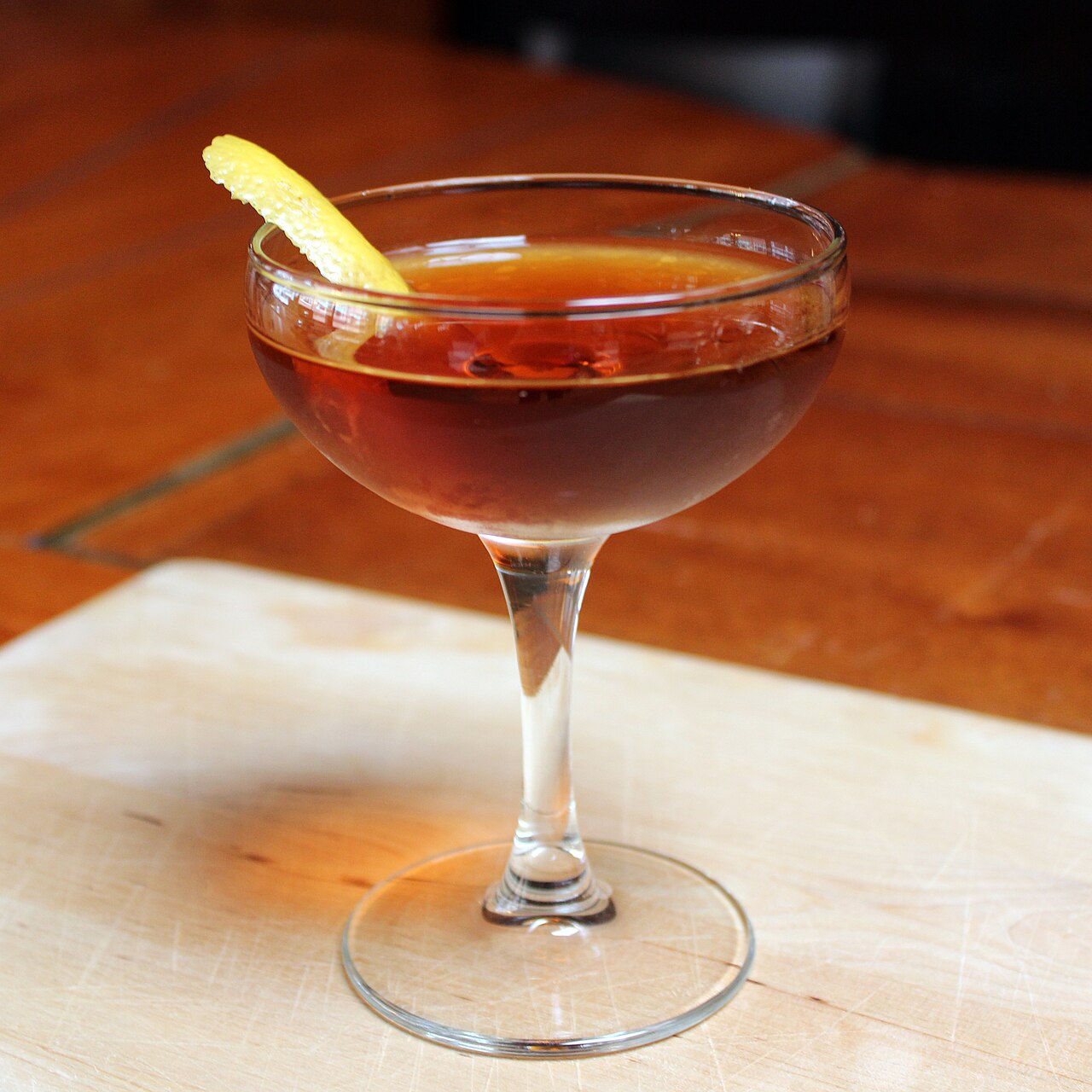
If London Dry is the crisp, tailored suit of the gin world, Old Tom is a slightly more comfortable velvet jacket. Still elegant, just a little more indulgent.
4. Contemporary Gin: When Botanicals Get Creative
For a long time, the popular image of gin was fairly straightforward: juniper, citrus, maybe some spice, and a strong association with the smell of pine trees.
Modern distillers, however, have become increasingly adventurous. Enter contemporary gin, sometimes called New Western gin.
This isn't a tightly defined legal classification. Instead, it's a useful term for gins that place greater emphasis on botanicals other than juniper. Don’t get me wrong - juniper is a major part of the spirit's identity as it is in all gins, but the supporting ingredients are often given a much larger role.
Depending on the bottle, you might encounter prominent notes of flowers, cucumber, citrus, fresh herbs, or unusual regional plants. Some gins have remarkably delicate profiles, while others are intensely aromatic.
Familiar examples
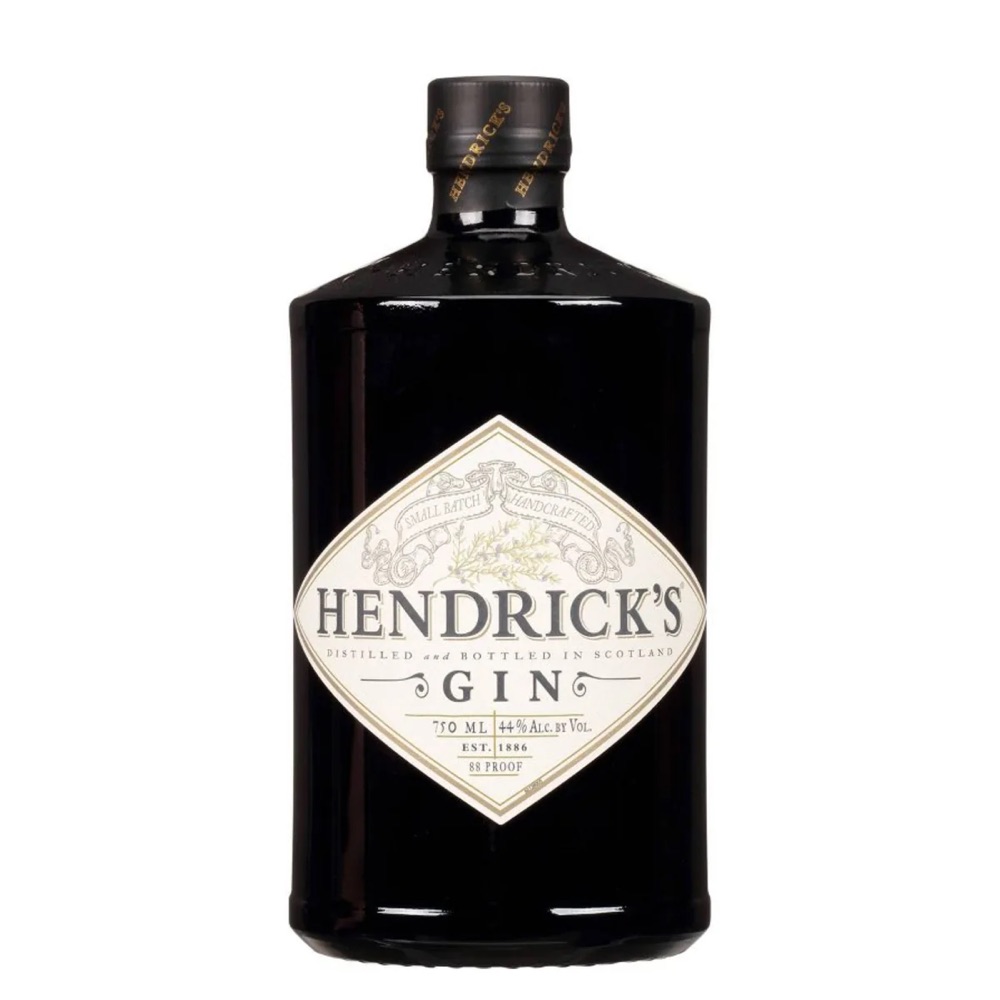
Hendrick's Gin
Henrick's is well known for its floral character and distinctive use of rose and cucumber. It's a great example of how gin can move beyond the traditional juniper-heavy profile.
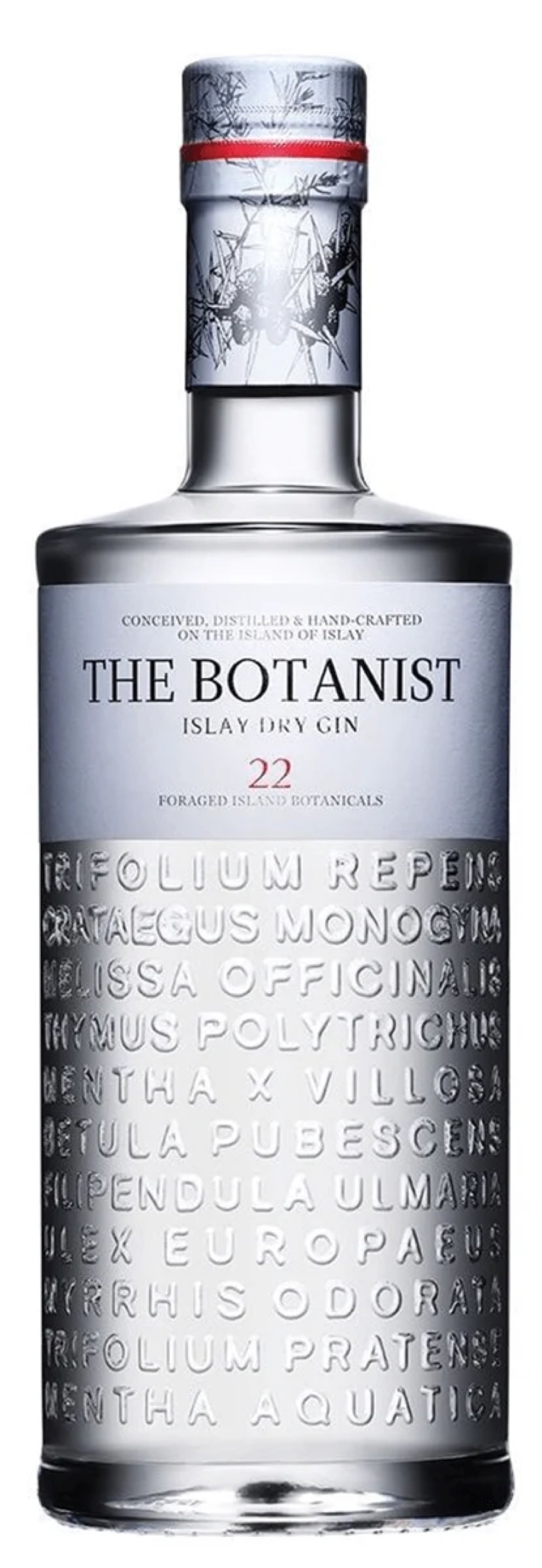
The Botanist
Born in 2010, this gin is produced on Scotland's Isle of Islay (the same one of the famed peaty Scotch), and incorporates 22 botanicals, including locally foraged plants, creating an intricate herbal character. Despite being from Islay, it isn't a smoky gin.
The distillery itself is primarily whiskey-producing, having been founded in 1881 as Bruichladdich distillery.
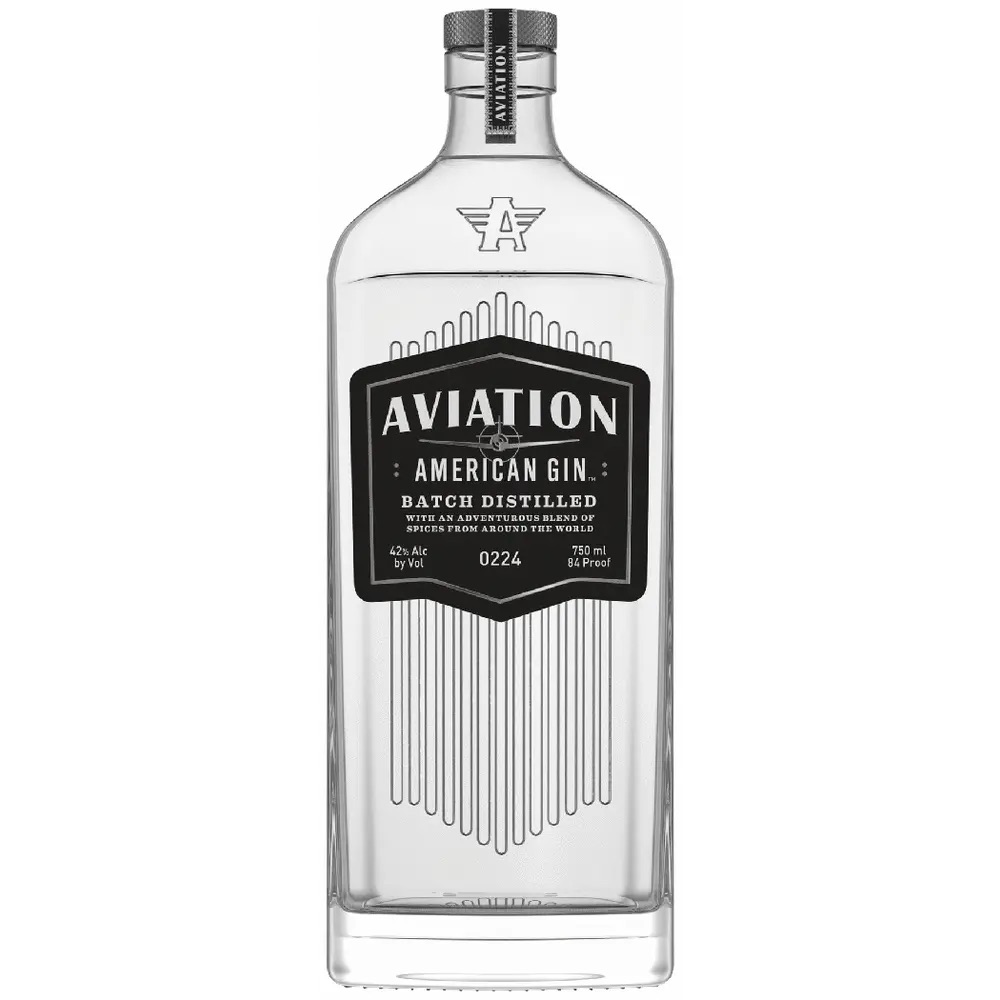
Aviation American Gin
Founded in 2006, Aviation is another gin associated with a softer, less juniper-dominant modern profile that uses 7 botanicals. Aviation is most famous for its co-owner Ryan Reynolds, who joined in 2010, and its namesake cocktail: The Aviation.
These gins demonstrate just how much freedom distillers have when developing botanical recipes.
Behind the bar
Contemporary gins are especially enjoyable in simple drinks where their distinctive ingredients have room to shine.
A Gin & Tonic, for instance, can become an entirely different experience depending on the gin you choose.
A citrus-forward gin may pair beautifully with lemon or grapefruit, while a floral gin might work with a more delicate garnish.
Just be careful not to get carried away. A drink doesn't necessarily improve because you've added six herbs, three citrus peels, and a miniature vegetable garden to the glass.
Sometimes the best garnish is the one that lets the gin speak for itself.
5. Genever: Gin's Malty Relative
So remember genever, the traditional juniper-flavored spirit from the Low Countries that we discussed earlier?
While it has a close historical relationship with gin, genever is its own distinct spirit tradition, rather than simply another style of modern gin.
Unlike most contemporary gin, which usually begins with a relatively neutral base, traditional genever can contain a substantial proportion of malt wine: a grain distillate of barley, rye, and corn, that preserves more of its original cereal character.
Consequently, some genevers taste noticeably maltier, fuller-bodied, and even a little reminiscent of whiskey. Juniper is still part of the flavor profile, but it doesn't always dominate in the same way as it does in London Dry gin.
Genever also has its own variations, including jonge (young) and oude (old). Confusingly, those terms refer primarily to differences in production style and composition, not simply how long the spirit has been aged.
Behind the bar
Genever can be a fascinating ingredient in historical cocktails and spirit-forward drinks. Its malty character works particularly well when you want something with more grain richness than conventional gin.
If you're already familiar with whiskey, genever offers an interesting bridge into the world of juniper-flavored spirits. Consider it the family reunion where whiskey and gin discover they have rather more in common than expected.
That being said, genever is hard to find in your average liquor store. It is most common in the Netherlands and Belgium; within the United States, you may be able to find it sold by Bols. The other brands are rare and have to be imported.
6. Navy Strength: Gin With Firepower
Navy-strength gin sounds like something that should come with a maritime warning label. And, to be fair, it's certainly stronger than your average bottle.
Most navy-strength gins are bottled at approximately 57% alcohol by volume (ABV), considerably higher than the roughly 40–47% strength common among many standard gins.
The name is associated with historical naval traditions, including stories about spirits being tested with gunpowder to ensure they hadn't been excessively diluted. The connection between naval proof and modern bottling terminology is a little more complicated than the legends suggest, but the association has endured.
Importantly, Navy Strength isn't a separate botanical style. It's a higher-strength expression of gin, which can make its botanical aromas, alcohol warmth, and overall intensity more pronounced. Because of this distinction, it is categorized separately.
Behind the bar
Navy-strength gin can be useful when you want the gin to remain noticeable in a cocktail containing strongly flavored ingredients or substantial dilution.
It can add a robust botanical backbone to a Gin & Tonic, Martini, or various tropical gin cocktails.
However, higher-proof spirits require a little more care when mixing. Substituting navy-strength gin in equal quantities will produce a stronger drink than the original recipe.
For newcomers, I'd suggest becoming familiar with standard-strength gin before jumping into this category. There's no need to begin your gin education at full naval artillery.
7. Sloe Gin: The Impostor
Last, but certainly not least, we have sloe gin.
Despite the name, sloe gin is a liqueur - not a conventional gin. It's made by infusing gin with sloe berries, the small, tart fruits of the blackthorn shrub, typically with added sugar. The resulting drink is usually deep red, fruity, sweet-tart, and noticeably different from standard gin. It also tends to have a lower alcohol strength.
Sloe gin is technically considered a liqueur (a spirit-based sweet syrup), and not a spirit itself. But because the sloe gin is made from gin, you may see a bottle of this red elixir sitting beside the usual clear spirits and wonder if something unusual happened during distillation; rest assured, the color is intentional.
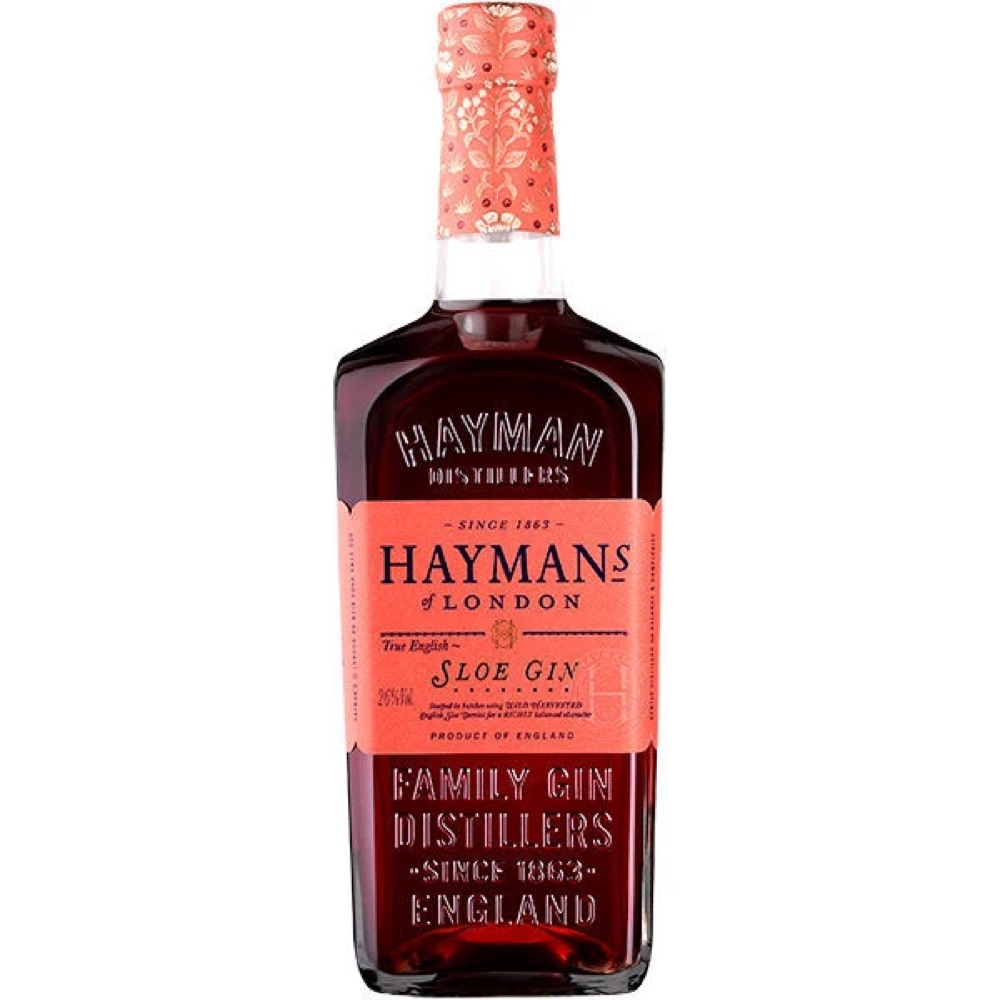
The plant itself is native to Britain, so for some years when supply to the US was low, American producers created a sweet, syrupy version with less sloe gin and more artificial flavoring. This type comes with a bright red hue and tastes less tart than the original. Nowadays you can find decent authentic sloe gin; some brands include Hayman’s and Sipsmith.
Behind the bar
Sloe gin is best known as the star of the Sloe Gin Fizz, traditionally combining the liqueur with lemon juice, soda water, and sometimes additional sweetener or other ingredients depending on the recipe.
It can also be used in various fruity and citrus-forward cocktails. Just don't substitute it for ordinary gin in a dry Martini and expect the same result.
Unless, of course, you're deliberately trying to confuse someone.
Gin Behind the Bar: Why the Bottle Matters
Now that we've explored gin's major styles, let's talk about something particularly useful for anyone learning to make cocktails.
Gin is one of those spirits where changing the brand can substantially change the drink.
With vodka, a neutral base often makes the other ingredients the main attraction. Gin, on the other hand, brings a full collection of botanicals into the glass.
Those flavors interact with whatever else you're mixing.
A juniper-forward London Dry can give a Negroni a firm, herbal backbone. A softer contemporary gin might create a more delicate impression. A floral gin can introduce entirely new aromas to a Gin & Tonic. And a higher-proof gin can deliver more intensity, although it will also change the cocktail's alcohol content.
For a beginner, this makes gin a fantastic spirit for experimentation.
Five classic gin cocktails worth knowing
| Cocktail | What it teaches you |
|---|---|
| Gin & Tonic | How gin's botanicals interact with tonic's bitterness and sweetness |
| Martini | How gin and vermouth influence each other in a spirit-forward drink |
| Negroni | How gin holds its own against bitter and sweet ingredients |
| Tom Collins | How citrus, sweetness, and soda complement botanical flavors |
| Gimlet | How gin's character changes when paired simply with lime and sweetness |
A useful experiment is to make the same Gin & Tonic twice using different gins, keeping the tonic, proportions, ice, and garnish identical.
You may be surprised how much the experience changes.
It's also a much more practical introduction to gin than trying to memorize a botanical list that reads like a shopping receipt from a medieval herbalist.
How to Taste Gin Without Feeling Like You're Drinking a Christmas Tree
Now that you know enough gin classifications to make a reasonably confident trip down the liquor aisle, how do you actually taste the stuff?
Gin can be intimidating at first, particularly if you're not used to the pronounced herbal and aromatic character of juniper.
But just as with any liquor, the goal isn't to identify every obscure ingredient in the bottle.
It's to start recognizing the flavors you enjoy.
1. Start with a small pour
Pour a little gin into a clean glass. A tulip-shaped tasting glass or small wine glass works well, but an ordinary glass is perfectly acceptable.
Try starting with a familiar London Dry or another gin described as relatively juniper-forward.
This gives you a reference point for understanding the spirit's classic character.
2. Smell before you sip
Bring the glass toward your nose and take a few gentle sniffs.
What stands out first?
You might notice juniper's piney aroma, bright citrus, earthy herbs, or warm spices. Some gins offer remarkably distinctive scents, and there's often quite a lot to discover before you've taken a single sip.
Just don't inhale too aggressively. Concentrated alcohol vapor is not particularly interested in being gentle with your nose.
3. Take a small sip
Pay attention to the overall impression rather than immediately trying to identify individual botanicals.
Does it taste crisp and dry? Floral? Peppery? Citrusy? Earthy? Is the juniper obvious, or do other botanicals seem to take center stage?
Notice the mouthfeel and how the flavors change as you taste.
4. Add a little water
Bottled gin exists between 35-50% ABV (Navy Strength is even higher). A small splash of water can lower the alcohol intensity and change how some botanical aromas present themselves.
Compare the gin before and after dilution. As with whiskey, there isn't necessarily a correct answer about which version tastes better - it’s subjective.
5. Try it in a Gin & Tonic
If you’re new to the cocktail arena, this drink is the easiest to start with. Gin is wonderfully aromatic, but tasting it neat can sometimes make the alcohol feel more prominent than its delicate flavors.
Tonic water introduces bitterness, sweetness, and carbonation, while ice provides dilution and chilling.
Start with a straightforward gin, a tonic you enjoy, plenty of ice, and a simple citrus garnish.
Then try the same combination with another gin but the same tonic. You'll begin noticing how different botanical profiles influence the finished drink.
6. Experiment with garnishes
Unlike whiskey, where garnishes aren't normally central to the tasting experience, gin can be especially responsive to aromatic accompaniments.
A lemon twist can emphasize citrus notes. Grapefruit peel can bring a different kind of brightness. Cucumber can complement greener, fresher flavors, while certain herbs can highlight a gin's botanical character.
But remember that garnishes aren't mandatory decorations. They're ingredients that contribute aroma and sometimes flavor.
As an amateur home bartender, I often forget garnishes. Unlike commercial bars, I’m not spending hours pre-peeling lemons and cutting lime wedges to prep for a casual evening cocktail. The most prep I do is keep bottle of a few days’ worth fresh lemon juice in the fridge. So my elevated cocktail experience more than occasionally lacks a garnish - that’s okay in most cases. However, I will say that gin-based drinks more than any other can benefit from the extra citrus peel and expressed oils. Juniper’s pine flavor can come across bitter to some palates, especially when mixed with dry vermouth…a lemon peel can go a long way to soften that and bring a different scent to the nose when sipping.
A Final Word About Gin
If there's one thing worth remembering about gin, it's that there's much more to it than juniper and tonic water.
Gin is a wonderfully diverse spirit whose character can change dramatically depending on the botanicals, production methods, and traditions behind the bottle.
A classic London Dry, a floral contemporary gin, and a malty genever can offer completely different experiences, even though they share historical or botanical connections.
And that's what makes gin particularly enjoyable to explore.
Unlike spirits that rely heavily on years of barrel maturation to develop their character, gin allows distillers to experiment with an almost endless assortment of natural ingredients. Some combinations are traditional and beautifully balanced. Others are imaginative, surprising, and occasionally a little eccentric.
The beauty of learning about gin is realizing that you don't have to enjoy every expression to appreciate the spirit as a whole.
Perhaps you'll fall in love with the bright, crisp character of a London Dry Martini. Maybe you'll discover that floral gin and tonic is more your style. Or perhaps you'll find yourself drawn to the malty richness of genever.
Whatever your preference, you'll begin understanding why different gins behave so differently in cocktails—and how to choose the right one for the drink you're trying to create.
So next time you reach for a bottle of gin, give its label a second look. Think about the ingredients, the story, and the flavors waiting inside. After all, there's an entire botanical world behind the bottle.
And thankfully, you no longer need a prescription to explore it.
Cocktails in this note
More in The Spirits Explained
Spirits · The Spirits Explained
Whiskey: The World of Grains, Barrels & Tradition
An introduction to one of the most diverse dark spirits
Spirits · The Spirits Explained
Vodka: The Art of Simplicity, Purity & Precision
From humble grains and potatoes to the world's most versatile cocktails, an introduction to the deceptively simple spirit.
Spirits · The Spirits Explained
Tequila & Mezcal: The Spirit of Agave, Fire & Tradition
From sun-drenched agave fields to smoky earthen pits, an introduction to Mexico's most celebrated spirits.