Spirits · The Spirits Explained · Part 1 of 6
Whiskey: The World of Grains, Barrels & Tradition
An introduction to one of the most diverse dark spirits
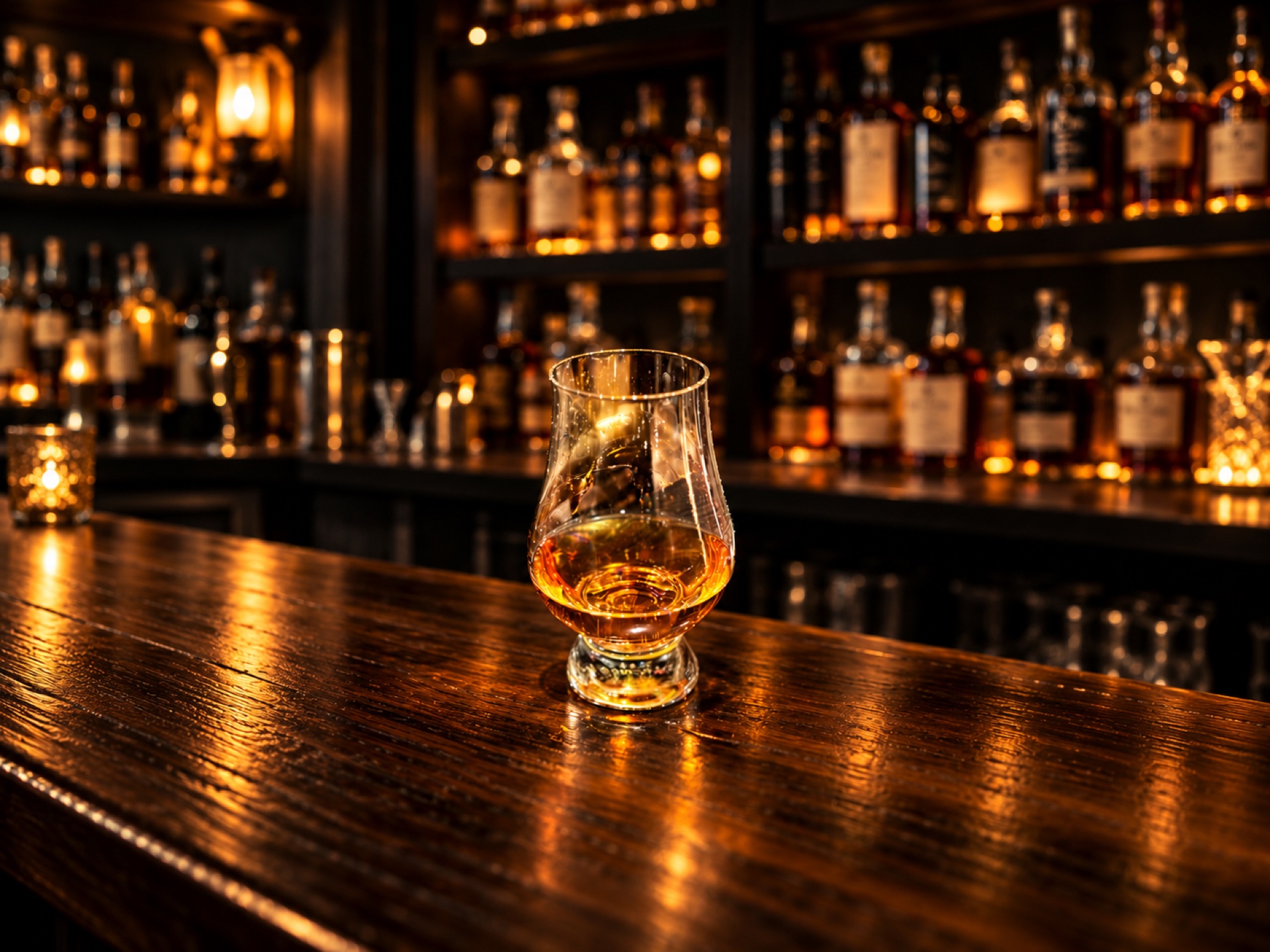
Ahhhh… whiskey. The quintessential spirit, forever associated with the “scent of man,” its smoky allure and oaky embrace. The inspiration for a hundred country songs, the instigator of many a bar fight, the companion to broken hearts, questionable decisions, and stories that grow taller with every retelling. It’s been sipped by cowboys, toasted by gentlemen, and poured for just about anyone who’s ever needed a little liquid courage. But underneath all the myth and legendary tales this dark, broody elixir inspires, what is whiskey actually?
Well, strip away the cowboy hats, leather armchairs, and dramatic fireplace conversations, and whiskey is essentially a spirit made from fermented grain, distilled to concentrate its alcohol and flavor, and usually aged in wooden barrels. Simple enough, right? Except those few ingredients leave an astonishing amount of room for experimentation.
The type of grain, the fermentation process, the still, the barrel, the climate, and good old-fashioned time all play their part. Change any one of these, and you can end up with a remarkably different whiskey.
Fortunately, you don't need a Scottish grandfather or an encyclopedic knowledge of distilleries to appreciate the stuff. Some whiskies are fruity and delicate, others rich and spicy. There's a whole world to explore, and we're going to start with the basics.
So first…whiskey or whisky?
Both spellings describe the same broad family of spirits. Whisky is customary in Scotland, Canada, and Japan; whiskey is common in Ireland and the United States. Of course, because nothing involving centuries of tradition can ever be entirely straightforward, individual producers sometimes break with these conventions. The spelling can offer a clue about where a bottle comes from, but it isn't a foolproof passport.
Here at Stir Society, we generally use “whiskey” in our recipes, even when discussing international producers. This keeps our ingredient names and recipe searches consistent. No offense intended to the Scots.
The Production Process
Before whiskey becomes the amber-colored spirit we know and love, it starts life as something considerably less glamorous: grain, water, and yeast.
Whiskey is a spirit made from fermented grain, distilled to concentrate its alcohol and flavor, and usually aged in wooden barrels. It shares several fundamental production steps with other grain-based spirits, including some vodkas and gins. But the similarities don't mean every grain spirit is whiskey, or that all whiskey begins as neutral grain spirit. In fact, whiskey distillers deliberately preserve many of the grain-derived flavors that neutral spirit production is designed to remove.
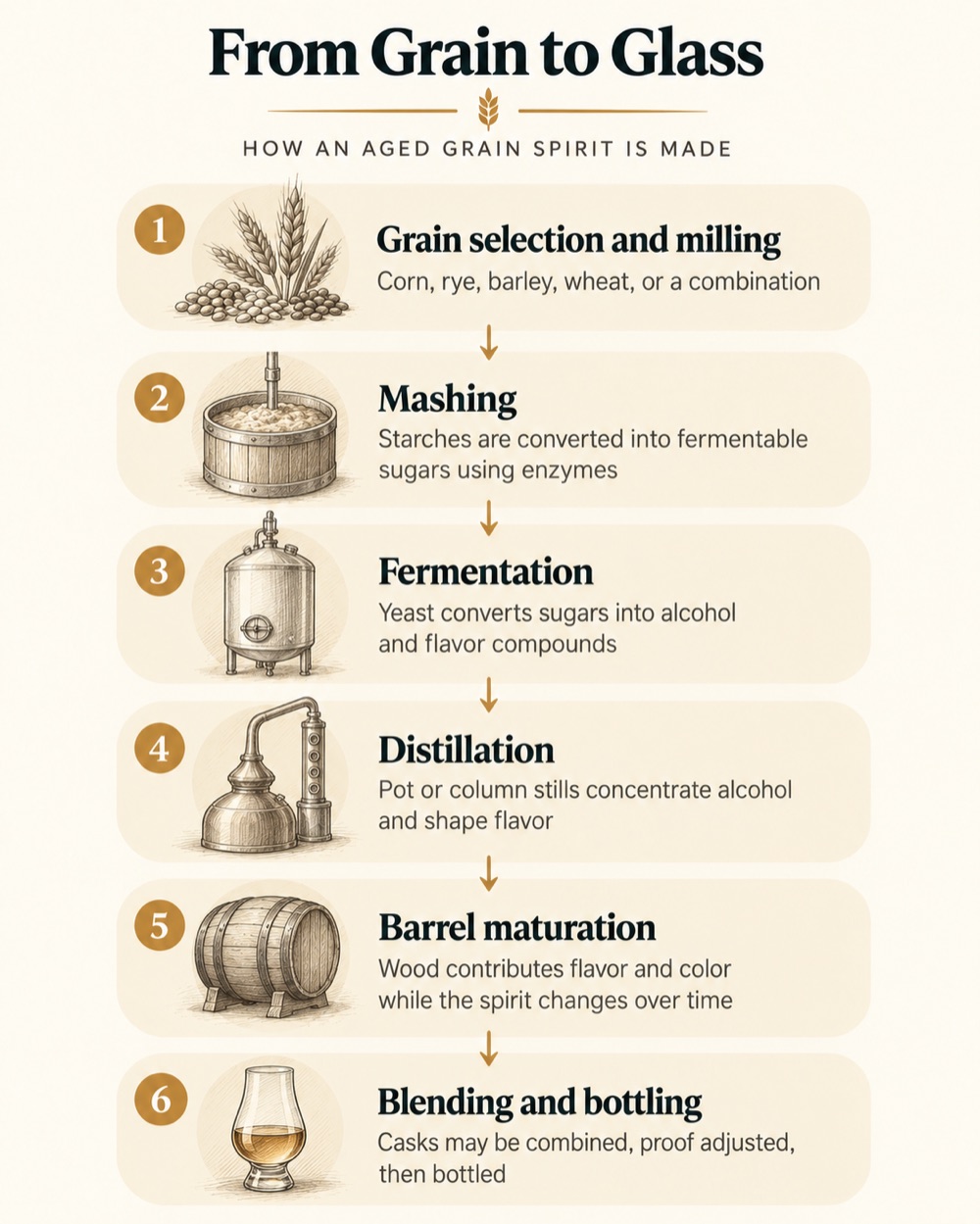
Its character comes from a handful of ingredients and choices: the grain, fermentation, distillation, barrel, climate, and time.
Grain selection and milling: Corn, rye, barley, wheat, or some combination is prepared.
Mashing: The grain is mixed with water, and its starches are converted into fermentable sugars.
Fermentation: Yeast consumes those sugars and produces alcohol, along with various flavor compounds. This essentially makes a grain-based alcoholic wash before it ever meets a still.
Distillation: The fermented liquid is heated and its alcohol-rich vapors collected and condensed, concentrating the alcohol and shaping which flavors remain.
Barrel maturation: For most whiskey styles, the spirit spends time resting in wooden casks, developing new flavors, aromas, and its characteristic golden-to-amber color.
Blending and bottling: Different barrels or whiskey components may be combined to achieve a particular flavor profile. The strength may be adjusted with water before bottling.
World Whiskey Styles
Different countries have developed their own whiskey production methods, regulations, traditions, and preferences. In the table below are some of the major styles you're likely to encounter behind a bar or on a liquor-store shelf:
| Style | Defining Features | Flavors | Familiar Brands |
|---|---|---|---|
| Bourbon | American whiskey made with at least 51% corn and aged in new charred oak | Vanilla, caramel, toasted oak, baking spice | Maker's Mark, Buffalo Trace, Wild Turkey |
| American rye | Made with at least 51% rye and aged in new charred oak | Pepper, baking spice, herbs, citrus, oak | Bulleit Rye, Rittenhouse, Sazerac |
| Scotch | Made in Scotland; aged at least three years in oak | Malt, orchard fruit, honey, oak; sometimes peat smoke | Johnnie Walker, Glenfiddich, Macallan |
| Irish whiskey | Made on the island of Ireland; aged at least three years in wooden casks | Orchard fruit, honey, cereal, spice; sometimes richer or smoky notes | Jameson, Bushmills, Redbreast |
| Canadian whisky | Made and aged in Canada for at least three years; often blended | Caramel, vanilla, gentle spice; some examples are intensely rye-forward | Crown Royal, Canadian Club, Lot No. 40 |
| Japanese whisky | A tradition strongly influenced by Scotch, with considerable producer variation | Fruit, malt, floral notes, oak; sometimes smoke | Yamazaki, Hibiki, Nikka |
By definition, bourbon has to be American-made, and Scotch is from Scotland (duh). But two bottles from the same country, or even the same distillery, can taste wildly different. Also, flavor descriptions are suggestions, not concrete principles. A whiskey described as “rich and smoky” might taste beautifully complex to one person and like a burnt log to another. Neither is necessarily wrong.
In the next few sections, we will meet some of the major members of this wonderfully dysfunctional family. Hopefully, by the end you will have a foundational understanding of whiskey and are prepared for getting the most out of tastings!
1. Bourbon: Corn, Caramel, and Charred Oak
Let’s start with bourbon. Bourbon must be made in the United States from a grain recipe - called the mash bill - containing at least 51% corn and aged in new charred oak containers. Kentucky is its best-known home, but bourbon can also be made elsewhere in the country.
What makes it distinctive?
Corn and fresh, charred oak often produce a combination of rounded sweetness, vanilla, caramel, toasted wood, and baking spice. The rest of the mash bill shapes the result:
- More rye can bring extra spice and a firmer edge.
- Wheat in place of rye often gives a softer impression.
- Malted barley is commonly included, in part to help convert grain starch into fermentable sugar.
| Bourbon style | What changes |
|---|---|
| Traditional bourbon | Corn with rye and malted barley |
| Wheated bourbon | Wheat replaces rye as the usual secondary grain |
| High-rye bourbon | Larger proportion of rye, while still at least 51% corn |
| Barrel-proof bourbon | Bottled at or near its barrel strength |
Keep in mind that fermentation, barrel selection, aging conditions, and alcohol strength also affect the flavor.
From a bartending standpoint, wheated bourbon can be wonderful for a softer Whiskey Sour or Old Fashioned, while high-rye bourbon can give those same drinks a more assertive spice character.
Aging
Bourbon itself has no general minimum aging period.
That's right. Despite all those romantic advertisements featuring dusty warehouses and barrels that appear to have been sitting untouched since the Civil War, ordinary bourbon isn't required to spend a specific number of years aging.
There are guidelines for nomenclature, however. Straight bourbon must be aged for at least two years; if it is younger than four years, its label must state its age. Also note that bourbon’s caramel-like flavor comes from production and aging, not actual added caramel.
2. Rye: Spice, Structure, and Character
American rye whiskey must use at least 51% rye in its mash and age in new charred oak containers. Its production rules closely resemble bourbon’s, but rye takes the leading role instead of corn.
What makes it distinctive?
Rye often tastes more peppery, herbal, or dry-seeming than bourbon, with notes that can suggest baking spice, mint, citrus peel, or dark bread. It can still have plenty of vanilla and caramel from the barrel. By the way, for whiskies in general, “dry” describes a flavor impression, not necessarily a reference to sugar content (unlike wines, for example).
A rye with just above the 51% threshold rye mash can differ greatly from one made with nearly all rye. That makes the mash bill especially useful when comparing bottles.
Rye’s assertive character often holds up well in a Manhattan, Old Fashioned, or Sazerac. Swapping bourbon for rye in the same cocktail is an easy way to notice their differences. Try making a Manhattan with bourbon, then prepare the exact same recipe using rye. You'll find that the bourbon version feels rounder and sweeter, while the rye version offers a drier, spicier impression.
Scotch: Malt, Tradition & the Great Smoke Misconception
Ah, Scotch. The spirit of misty Highlands, ancient distilleries, tartan-covered everything, and brand names that I consistently mispronounce at the bar.
Scotch whisky must be made in Scotland and matured there in oak casks for at least three years. It is a broad category, and not all Scotch is actually smoky (or in more correct vernacular - peaty). The smokiness associated with certain expressions generally comes from peat, which can be burned to dry malted barley during production. Its smoke imparts distinctive aromas that carry through into the finished whisky.
Scotch comes in two major forms:
- Single malt: Made at one distillery from malted barley, using pot stills. “Single” refers to the distillery—not one barrel or one batch.
- Blended Scotch: Combines one or more single malt whiskies with one or more single grain whiskies. Blending can create consistency, complexity, and balance; it is not inherently a lesser form of whisky.
- You may also encounter a third type: blended malt, which combines multiple single malts from more than one distillery without adding grain whisky.
Scotch actually has five official categories, including single grain and blended grain, but these are the main distinctions worth getting comfortable with first.
What makes it distinctive?
Scotch offers a particularly wide range of malt character and cask influences. Previously used bourbon barrels and sherry casks are commonly used, giving producers different routes toward vanilla, fruit, nuts, spice, and richness.
The Scottish geographic regions also offer taste clues: for example, Speyside is often associated with fruity styles, while Islay is famous for peat-forward whiskies. But as with everything in alcohol, these definitions aren't ironclad rules, and the distillery and bottle matter more than the regional stereotype.
3. Irish whiskey: Jack O' All Trades
Irish whiskey is made on the island of Ireland and matured in wooden casks for at least three years. While many familiar examples are fruity, light, and smooth, the category also includes rich, spicy, and peated whiskies.
Three styles are particularly useful to know:
- Single malt: Made at one distillery from malted barley in pot stills.
- Single pot still: Made at one distillery in pot stills from a mash that includes both malted and unmalted barley. Often associated with a creamy texture and lively spice.
- Blended Irish whiskey: Combines different whiskey types, often lighter grain whiskey with pot still whiskey, malt whiskey, or both.
What makes it distinctive?
Ireland’s single pot still tradition is a key point of difference. In most other whiskeys, the mash blend is either entirely malted barley ("single malt" or blended malt) or grain blends (corn, barley, rye mixes). Irish whiskey mixes both malted and unmalted barley in the mash - the unsalted portion can contribute a distinctive spicy, cereal-rich character and a substantial mouthfeel.
Many Irish whiskies are triple-distilled, but not all are. Triple distillation can help create a lighter spirit, though the final flavor depends on much more than the number of distillations. Likewise, “Irish” does not automatically mean unpeated or mild.
Beyond the big four
Canadian whisky
Canadian whisky is often built through blending, sometimes using component whiskies distilled and aged separately before combination. It can be light and easygoing, but there are also bold, rye-heavy examples. Don’t infer its grain recipe from the word “rye” alone.
Japanese whisky
Few whiskey traditions have captured international attention quite like Japanese whisky.
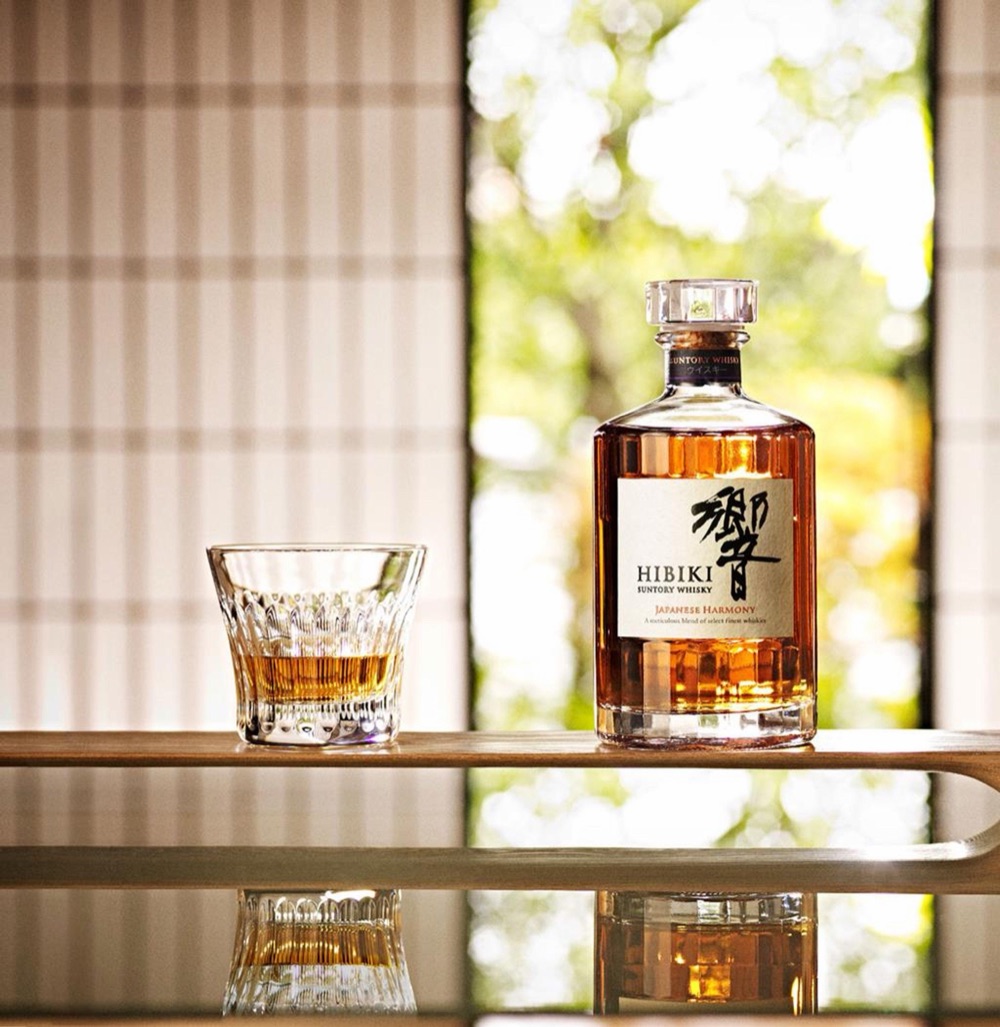
Drawing considerable inspiration from Scottish whisky-making, Japanese producers developed their own approach to malt and grain whisky production, careful blending, and maturation. Over time, these techniques evolved into a diverse and increasingly celebrated whisky culture.
The industry's international rise, particularly during the 2010s, also brought greater scrutiny to how Japanese whisky is labeled.
The Japan Spirits & Liqueurs Makers Association established standards intended to clarify which products qualify as Japanese whisky under its rules; if you're trying to identify a true Japanese whiskey, use that industry standard as a benchmark and not assume every Japanese-looking label is a Japanese whisky. A couple recognized brands and distilleries which pioneered the field include Hakushu, Nikka, Yamazaki, and Hibiki.
The history of Japanese whisky is deserving of its own spotlight, so check out the deeper dive here.
Other world whiskies
India, Taiwan, Australia, and many other countries make distinctive whiskies. Warm climates can accelerate some interactions with wood, so a younger age does not necessarily mean a less developed flavor.
So as you can see, there's plenty more to explore, and we'll be covering some of these traditions in future Society Notes.
How to taste whiskey without overthinking it
Okay, so you've just been introduced to a small army of whiskey styles, grain recipes, barrel types, and distillation traditions. Now it's time to actually get tasting. But how do you go about it and not get overwhelmed?
I think if you follow the steps below, you will get the most out of your tasting experience:
- Pour a small amount. A small tulip-shaped glass (sometimes called a Glencairn glass thanks to the brand's popularity) helps concentrate aromas that can facilitate experiencing the whiskey's characteristics. But don't worry if you don't own one. A wine glass or ordinary tumbler works perfectly well for getting started. No one is going to revoke your whiskey-drinking privileges.
- Smell gently. Keep your nose a little above the rim and take light sniffs. There is no need to inhale deeply into alcohol vapor.
- Take a tiny sip. Notice the texture and broad flavors first: fruity, malty, sweet-seeming, spicy, woody, or smoky.
- Wait for the finish. After swallowing, pay attention to what remains. Does the warmth linger? Do you notice pepper, oak, fruit, or smoke? Does the flavor fade quickly, or stick around long enough to make itself comfortable? The finish is part of the tasting experience, and sometimes a whiskey's most interesting characteristics appear after the sip is gone. And remember, you've now just temporarily changed the chemistry on your taste buds; your next sip may feel different.
- Try a few drops of water. Water lowers the strength and can change the aromas. Some whiskies open up beautifully with a little water while others lose some of their character. Experimentation is the point. Add it gradually and see which version you prefer.
- Yes. You can use ice! I know, I know. Somewhere, a whiskey purist just dropped his monocle. But despite what certain stodgy self-appointed guardians of whiskey etiquette might suggest, there's nothing inherently wrong with enjoying whiskey over ice. It chills and dilutes the drink, often softening alcohol heat while muting some aromas. If you prefer it that way, enjoy it that way. The whole point is to appreciate what you're drinking, not to pass an imaginary examination.
A final word about tasting notes
Here's something I wish someone had told me when I first started exploring whisky: flavor notes are associations, not actual ingredients.
When I tried my first glass, I kept hearing people describe notes of apple, vanilla, cloves, and all sorts of wonderfully specific flavors. Meanwhile, I was sipping my whiskey, nodding along, and wondering when exactly someone had decided to throw cloves into the distillation process.
I couldn't taste any of those things.
As it turns out, a flavor note simply means that as you sip and let the whiskey sit on your tongue, you mayyy just get hints of specific tastes, contributed due to the barrel aging process and the kind of wood used. Certain compounds in the spirit remind our senses of flavors or aromas we are more familiar with.
And remember, not everyone experiences them in exactly the same way. A seasoned whiskey enthusiast might detect baked apple, cinnamon, and toasted almonds. You might taste oak, a bit of sweetness, and something vaguely spicy.
That's completely fine.
As you explore different whiskies, your palate becomes more familiar with recurring flavors and aromas. Eventually, you may find yourself picking out details that previously escaped you.
Or you might simply discover that you love bourbon, dislike heavily peated Scotch, and have a soft spot for a good rye Manhattan :)
Either way, you've learned something useful.
At the end of the day, the goal isn't to impress someone by identifying a dozen obscure tasting notes. It's to understand what you're drinking, discover what you enjoy, and maybe become a slightly more interesting person to share a drink with.
So pour yourself a little whiskey, take your time, and enjoy the process.
After all, every good whiskey has a story. Now you'll know a little more about what's Behind the Bottle.
Cocktails in this note
More in The Spirits Explained
Spirits · The Spirits Explained
Gin: Juniper, Botanicals & Herbs
From medicinal beginnings to martinis and everything in between, a beginner's introduction to the botanical world of gin.
Spirits · The Spirits Explained
Vodka: The Art of Simplicity, Purity & Precision
From humble grains and potatoes to the world's most versatile cocktails, an introduction to the deceptively simple spirit.
Spirits · The Spirits Explained
Tequila & Mezcal: The Spirit of Agave, Fire & Tradition
From sun-drenched agave fields to smoky earthen pits, an introduction to Mexico's most celebrated spirits.