Spirits · The Spirits Explained · Part 3 of 6
Vodka: The Art of Simplicity, Purity & Precision
From humble grains and potatoes to the world's most versatile cocktails, an introduction to the deceptively simple spirit.
The spirit that needs no introduction yet somehow has very little to say itself. Clear, unassuming, and famously described as having almost no taste, it's the dependable companion to cranberry juice, and the reason an astonishing number of questionable college-party concoctions technically qualify as mixed drinks.
“Money, like vodka, turns a person into an eccentric.”
Anton Chekhov
Unlike whiskey, with its smoky mystique and decades-old barrels, or gin, with its elaborate botanical concoctions, vodka seems almost suspiciously simple. No exotic herbs, no dramatic aging process, no tasting notes resembling a Christmas dinner by a fireplace. Just a transparent liquid that appears determined not to draw attention.
Despite such subtle appearances, vodka has become one of the world's most recognizable and widely consumed spirits, inspiring fiercely loyal brand followings, centuries of cultural traditions, and some truly extravagant claims about water sources and filtration.
Which raises an interesting question: if vodka is supposed to taste like almost nothing, what makes one bottle different from another?
As it turns out, quite a bit.
Vodka, in a Nutshell
“If wine is fruit, then vodka must be a vegetable.” — Jann Arden
Ms. Arden isn’t far from the truth - at its core, vodka is a distilled spirit typically made from fermented agricultural ingredients and refined to produce a relatively clean, neutral flavor profile.
Those ingredients might be wheat, rye, corn, potatoes, grapes, or a variety of other agricultural products.
Unlike whiskey, where distillers often work to preserve the character of the grain, vodka production generally aims to remove much of the flavor and aroma produced during fermentation.
The result is a spirit known for its neutrality, clarity, and versatility.
But here's where things get interesting: neutral doesn't necessarily mean completely flavorless.
Different vodkas can have subtle differences in texture, perceived sweetness, aroma, and the way their alcohol feels on your palate. Some seem soft and creamy, others crisp and peppery, and some deliver a noticeably firmer alcoholic bite.
Those distinctions are far more subtle compared with the differences between a bourbon and a peated Scotch, but they become more apparent when you taste vodkas side by side.
In fact, in 2020 the United States officially removed its longstanding requirement that vodka be without distinctive character, aroma, or taste, thus recognizing that vodka can exhibit its own characteristics.
So despite its reputation, vodka isn't necessarily the bland, characterless spirit people make it out to be. It's just a little more reserved about showing its personality.
A Brief History: A Spirit With Two Homelands
Ask where vodka originated, and you might find yourself caught in a centuries-old disagreement between two countries.
Both Poland and Russia have strong historical claims to vodka's development, and the precise origins of the modern spirit remain a subject of debate.
Vodka's early history is closely intertwined with the spread of distillation techniques through Eastern Europe, where people began producing spirits from locally available agricultural crops.
Early versions often bore little resemblance to the highly refined vodka we recognize today. Distillation was less sophisticated, and spirits could retain considerable grain character or contain herbs and other flavorings.
The word vodka is associated with Slavic words for water, often loosely translated as “little water.”
A rather innocent name for something that usually contains around 40% alcohol.
From Local Tradition to Global Popularity
In Poland and Russia, vodka became deeply embedded in social customs, celebrations, and drinking traditions. It was commonly enjoyed chilled and served in small glasses, often accompanied by food. Bread, pickles, smoked fish, and other savory accompaniments could complement the spirit's clean character.
Vodka's international popularity grew substantially during the 20th century, particularly as brands expanded into Western markets.
In the United States, where whiskey and gin had long dominated many cocktail traditions, vodka's relatively neutral flavor became a major selling point: it could mix with almost anything without overpowering the other ingredients.
The rise of vodka-based cocktails, including the Moscow Mule, Bloody Mary, and eventually the Cosmopolitan, helped turn vodka into a fixture of modern bartending. It also became the perfect spirit for an increasingly creative cocktail culture.
After all, when your base spirit isn't fighting for attention, you have plenty of room to experiment.
The Pursuit of Purity: How Vodka Is Made
Vodka production shares several fundamental steps with whiskey-making: both typically begin with agricultural ingredients, water, and yeast. Both rely on fermentation to produce alcohol, and both use distillation to concentrate it.
But the processes eventually head in very different directions.
Where whiskey distillers often try to retain desirable grain flavors, vodka producers generally aim to create a cleaner, more neutral spirit.
1. Choosing the Raw Ingredients
Vodka can be made from a surprisingly wide variety of agricultural products. Common starting materials include wheat, rye, corn, potatoes, and grapes.
The choice of ingredient affects the fermentation process and may contribute subtle differences to the finished spirit, even after extensive distillation.
2. Mashing and Fermentation
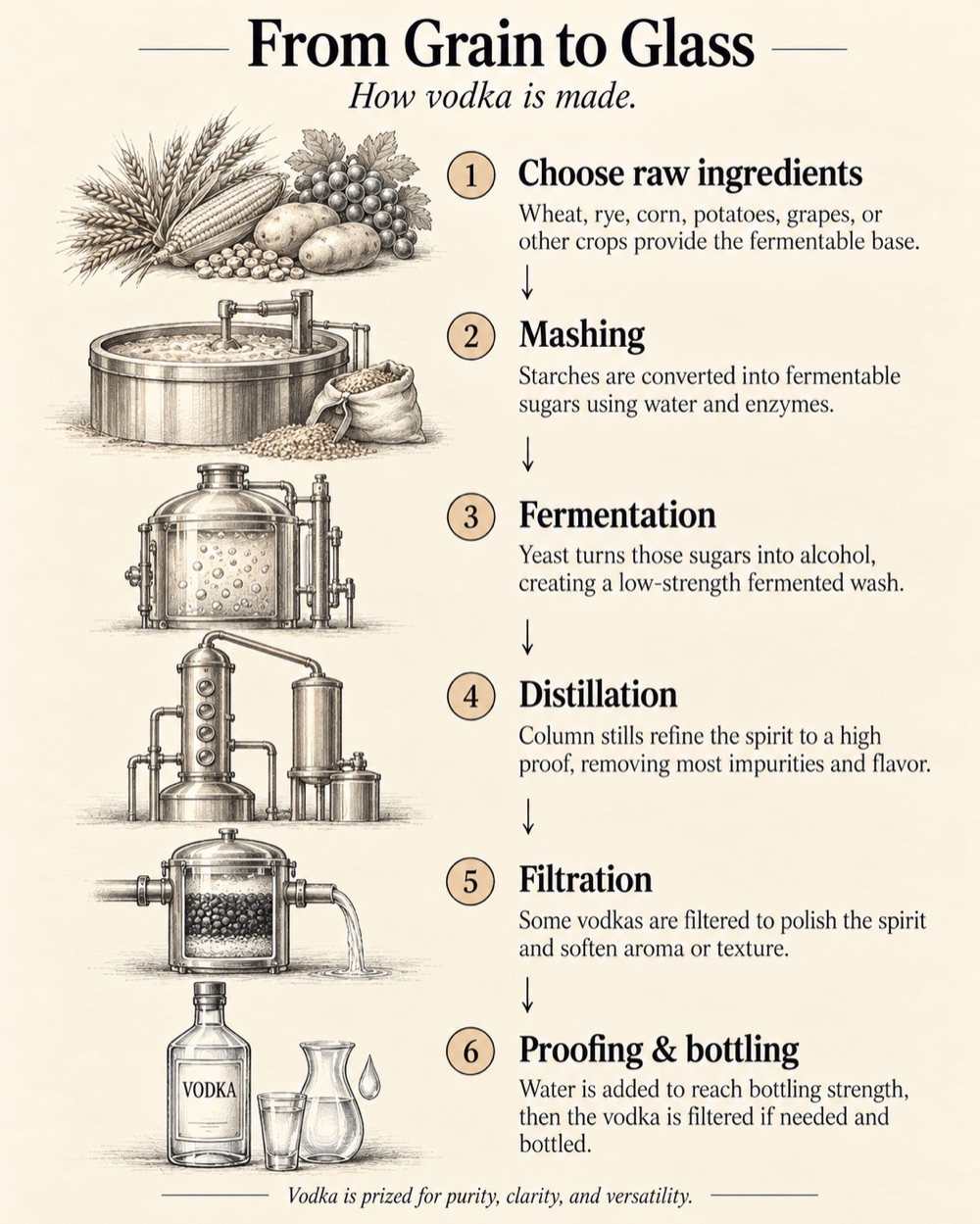
For grains and potatoes, the starches must first be converted into fermentable sugars.
Yeast is then added, consuming those sugars and producing alcohol along with various flavor compounds.
The resulting fermented liquid is relatively low in alcohol and isn't particularly glamorous.
Think of it as the spirit's awkward teenage phase.
3. Distillation
Next comes distillation, where the fermented liquid is heated and alcohol-rich vapors are collected and condensed.
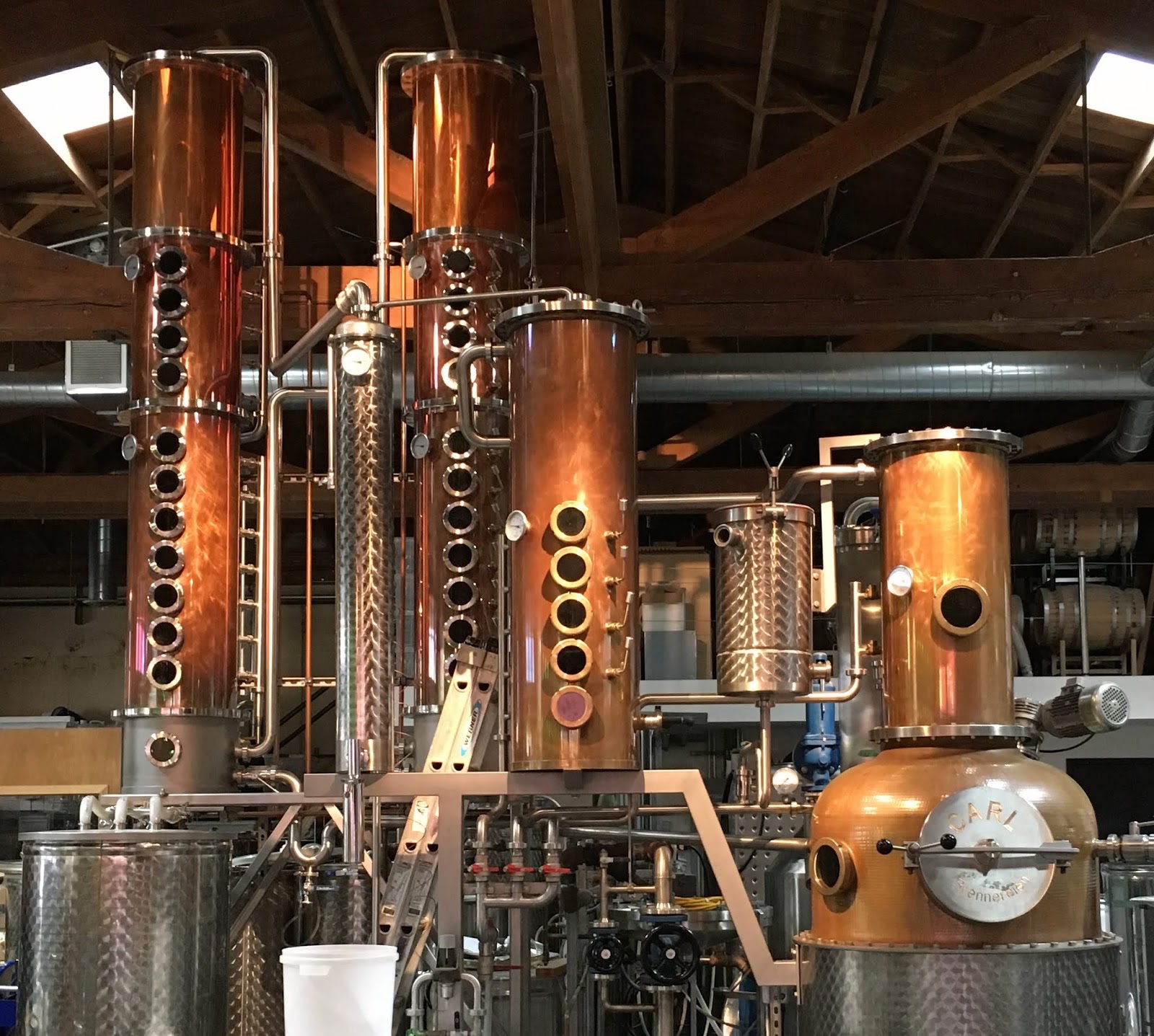
Many vodka producers use column stills, which allow alcohol to be distilled to a very high concentration while removing much of the original mixture's flavor.
In the United States, vodka falls within the neutral spirits category, which requires distillation at or above 95% alcohol by volume (recall our neutral grain spirits discussion in the context of gin).
That doesn't mean the finished bottle contains 95% alcohol. The concentrated spirit is later diluted with water to a drinkable bottling strength.
And no, 95% alcohol is not something you should be casually sipping to appreciate the craftsmanship.
4. Filtration
After distillation, producers may filter vodka to remove or reduce certain residual compounds. Filtration helps refine the spirit's aroma, flavor, and mouthfeel.
Activated charcoal is a familiar filtration material, but some producers also use specialized filters or other techniques. You may have seen brands advertising vodka filtered through silver, quartz, or other impressive-sounding substances.
Some filtration methods can meaningfully affect the finished vodka, but an unusual filter material isn't automatically evidence of superior quality.
At the end of the day, a rock with a good marketing department is still a rock.
5. Dilution and Bottling
Finally, purified water is added to reduce the spirit to its intended bottling strength.
Most standard vodkas sold in the United States are bottled at 40% alcohol by volume (80 proof), although strengths vary across markets and products. The water's mineral composition, along with any permitted finishing adjustments, can also influence the finished spirit. The vodka may also undergo additional filtration before being bottled.
And there you have it: from humble agricultural ingredients to one of the world's most versatile spirits.
No decades in a barrel required.
The Ingredients: Does It Matter What Vodka Is Made From?
Here's one of the more interesting things about vodka.
Because producers refine the spirit so extensively, the original agricultural ingredients often have a much smaller impact on flavor than they would in whiskey.
But that doesn't mean the choice of raw material is irrelevant.
Let's explore some of the most common varieties and the characteristics they're frequently associated with.
| Base ingredient | Common impressions | Familiar brands |
|---|---|---|
| Wheat | Soft, clean, sometimes gently sweet | Absolut, Grey Goose, Ketel One |
| Rye | Crisp, structured, sometimes subtly peppery | Belvedere, Wyborowa |
| Corn | Rounded, mild, sometimes sweet-seeming | Tito's Handmade Vodka |
| Potato | Full-bodied, creamy or earthy impressions | Chopin Potato Vodka, Luksusowa |
| Grapes | Smooth, delicate, sometimes lightly fruity | Cîroc |
A vodka's final character depends on far more than its original crop. Fermentation, distillation, filtration, water, and bottling strength all contribute to the result.
Even among vodkas made from the same ingredient, you'll encounter differences.
Grain Vodka
Grains are among the most common raw materials for vodka, especially wheat, rye, and corn.
- Wheat-based vodkas are often described as soft or clean, while rye-based expressions sometimes exhibit a slightly spicier, more structured character.
- Corn-based vodkas may offer a rounded or gently sweet-seeming profile.
But be careful not to confuse these associations with the flavors of the raw ingredients themselves.
A corn-based vodka won't necessarily taste like corn, just as rye vodka won't automatically taste like rye bread. The extensive distillation process removes much of that original character.
Potato Vodka
Time to address one of vodka's most persistent misconceptions:
Not all vodka is made from potatoes.
In fact, many of the world's most familiar vodkas are grain-based.
Potatoes are simply one of several agricultural ingredients that can be used to produce fermentable sugars. Potato vodkas are frequently described as having a fuller, creamier mouthfeel, although that depends heavily on the producer and its methods.
For an interesting comparison, try tasting a potato vodka such as Chopin or Luksusowa alongside a wheat-based vodka like Ketel One or Grey Goose.
Grape and Other Vodkas
Vodka can also be produced from grapes and other agricultural ingredients.
Cîroc, for example, is made from grapes, demonstrating that vodka isn't limited to traditional grains or potatoes. But because these spirits are still refined toward a relatively neutral character, don't expect a grape-based vodka to taste like wine.
Is Expensive Vodka Actually Better?
Ah, the million-dollar question.
Or perhaps more appropriately, the sixty-dollar-bottle question.
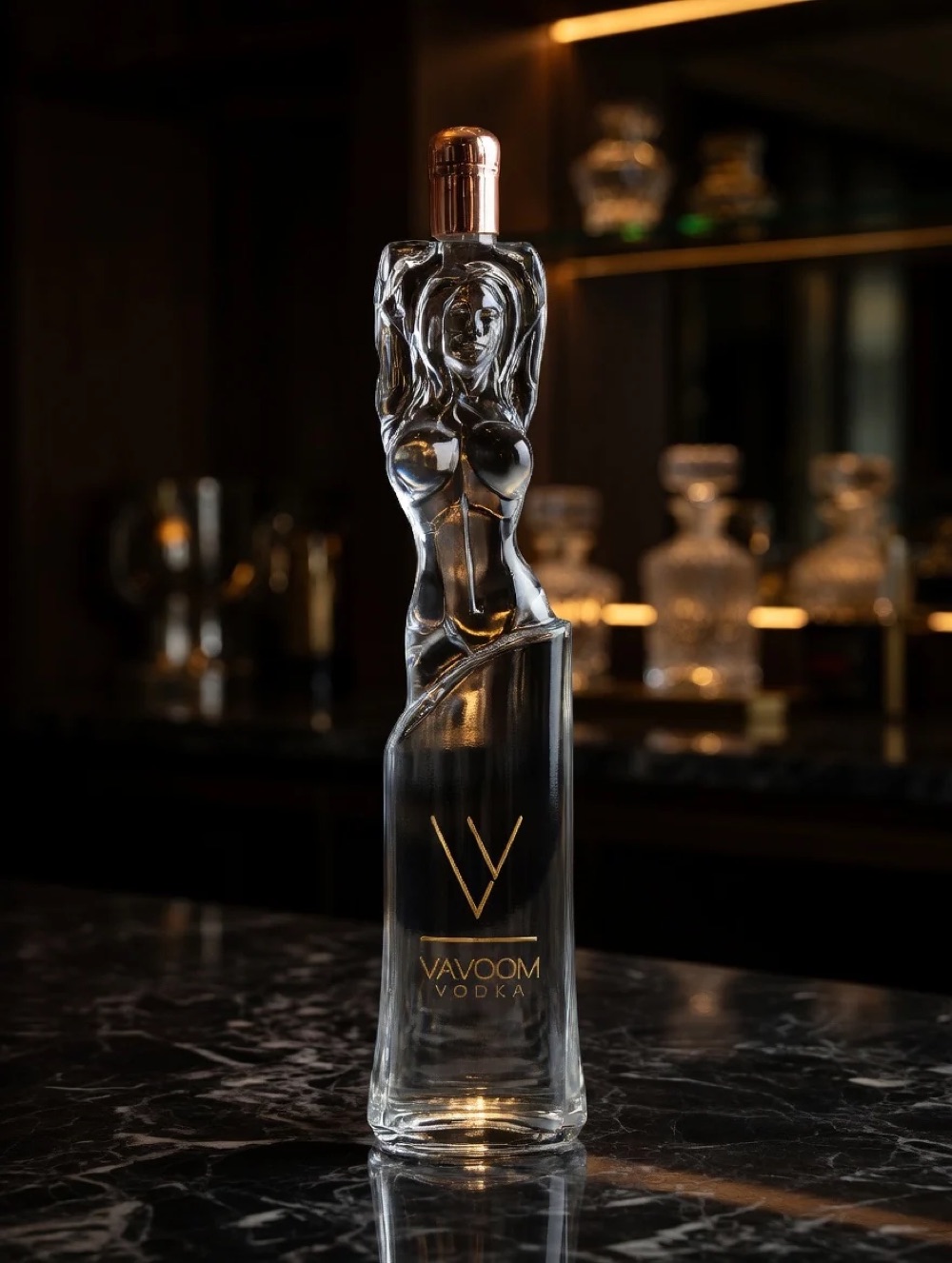
Growing up, on the occasion where my family dined out, from our table I’d be able to see the sleek, suave glass bottles adorning the shelves behind the bar and wonder, “what do those liquids taste like”. Their elegant appearance made me curious to drink what was inside.
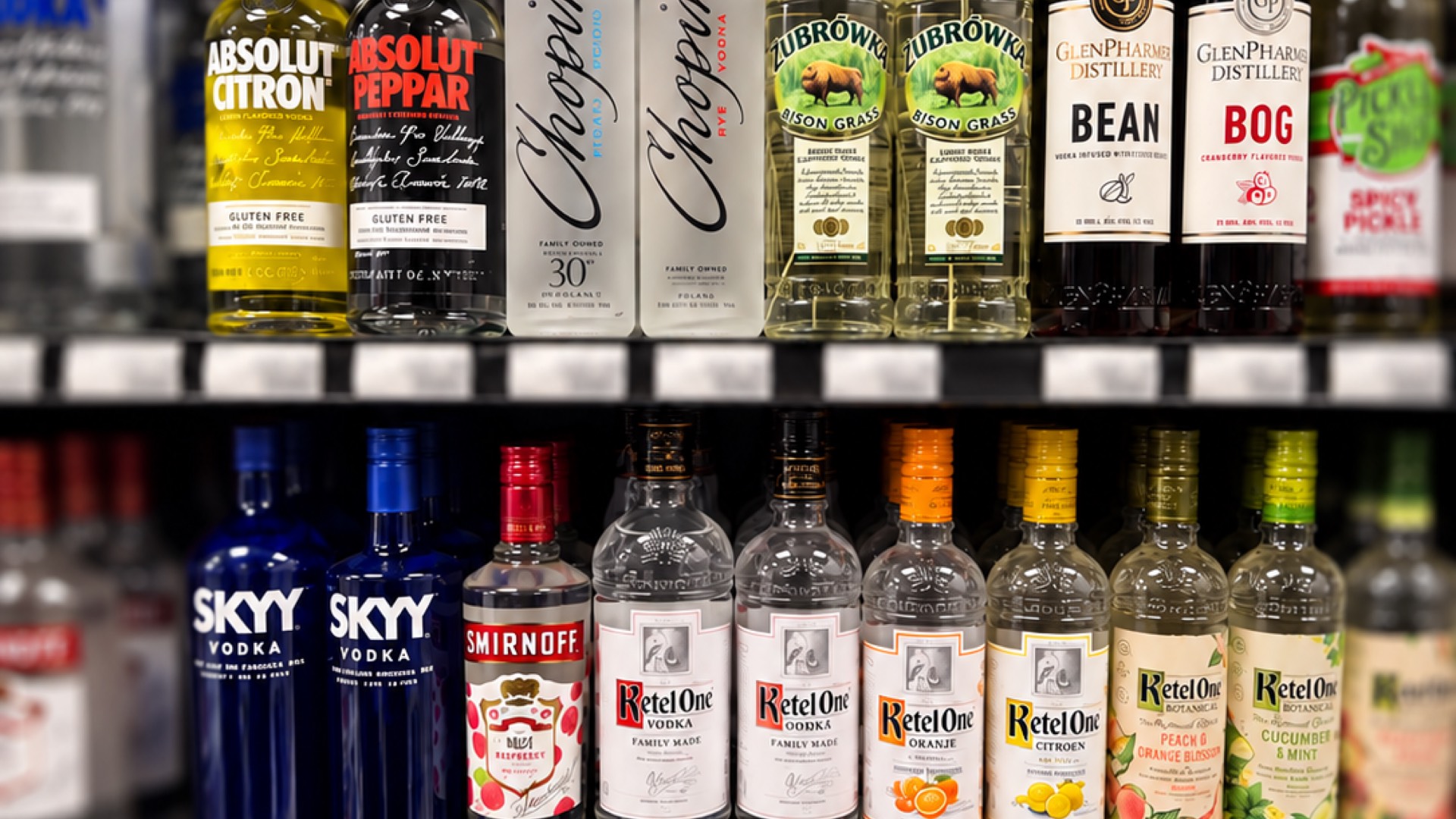
Even now, walk into a well-stocked liquor store and you'll encounter vodkas ranging from inexpensive plastic bottles to elaborate crystal vessels that look like they belong in a museum.
Some claim to be distilled five times. Others advertise ten rounds of filtration, exceptionally pure spring water, or ingredients cultivated in some improbably picturesque landscape.
So do these things actually make better vodka?
Sometimes they contribute to meaningful differences.
But price, filtration count, and distillation count aren't reliable measures of quality on their own.
A properly designed distillation system may achieve its desired purity efficiently, while repeated distillation isn't automatically an improvement. Likewise, filtration can refine vodka, but more filtration isn't necessarily better. Producers may deliberately retain subtle characteristics that distinguish their spirit from others.
There are also plenty of capable, reasonably priced vodkas that perform beautifully in cocktails.
And that brings us to a particularly important point for those of us tasked with the responsibility of conjuring up some intoxicating concoctions:
When Does Vodka Quality Matter?
If you're drinking vodka neat or in a very simple drink, subtle differences in texture and alcohol character are easier to notice.
A Vodka Martini, for example, puts the base spirit front and center.
But unless you grew up in a vodka-drinking household, you’re probably not drinking it neat. In a cocktail containing strong fruit flavors, citrus, ginger beer, or tomato juice, those subtleties may be much harder to distinguish.
Does that mean you should always buy the cheapest vodka available?
Not necessarily.
It means you should look for a clean, pleasant vodka appropriate for the drink you're making, rather than assuming the most expensive bottle will automatically produce the best cocktail.
Flavored Vodka - When Neutrality Gets Boring
Of course, not every vodka is content to remain neutral.
Flavored vodka takes the familiar base spirit and introduces additional tastes and aromas, ranging from relatively traditional citrus and vanilla to more adventurous combinations.
Lemon, orange, raspberry, and vanilla vodkas are common examples.
Some are flavored through infusion or other production techniques, while others use added flavoring ingredients. Popular flavored ranges include expressions from Absolut, Smirnoff, and other major vodka brands.
Behind the bar
Flavored vodka can be useful, particularly when you're trying to create a cocktail with a pronounced fruit or citrus character.
However, some products contain sweetness or flavor combinations that can change the balance of a recipe.
A cocktail designed for unflavored vodka may not turn out quite the same if you substitute a sweetened fruit-flavored expression.
And remember: flavored vodka isn't the same thing as a vodka liqueur. Always check the label and alcohol strength.
If you’re just beginning to mix drinks, I'd suggest learning to mix with regular vodka first. Once you understand how a cocktail balances sweetness, acidity, and alcohol, flavored expressions become another tool rather than a shortcut.
Vodka at the Bar: The Ultimate Team Player
As we’ve been emphasizing over and over again, vodka generally contributes comparatively little distinct flavor to a cocktail (unlike gin, whiskey, tequila, or rum).
And while that might sound like a disadvantage, it's actually one of its greatest strengths.
Vodka lets other ingredients take the lead.
Fresh citrus, fruit juices, coffee, tomato, ginger, herbs, and liqueurs can all become the primary flavor without having to compete with a strongly flavored base spirit. It’s the choice spirit for a person who wants to get the buzz without tasting the burn.
Think of vodka as the reliable supporting actor who makes everyone else look good. It may not always steal the scene, but plenty of cocktails wouldn't be the same without it.
Five vodka cocktails worth knowing
| Cocktail | What it teaches you |
|---|---|
| Moscow Mule | How vodka supports ginger beer, lime, and carbonation |
| Cosmopolitan | Balancing citrus, cranberry, orange liqueur, and alcohol |
| Espresso Martini | Combining coffee, sweetness, and vodka into a rich, shaken cocktail |
| Bloody Mary | Working with savory ingredients, seasoning, acidity, and texture |
| Vodka Martini | Appreciating dilution, temperature, vermouth, and the vodka itself |
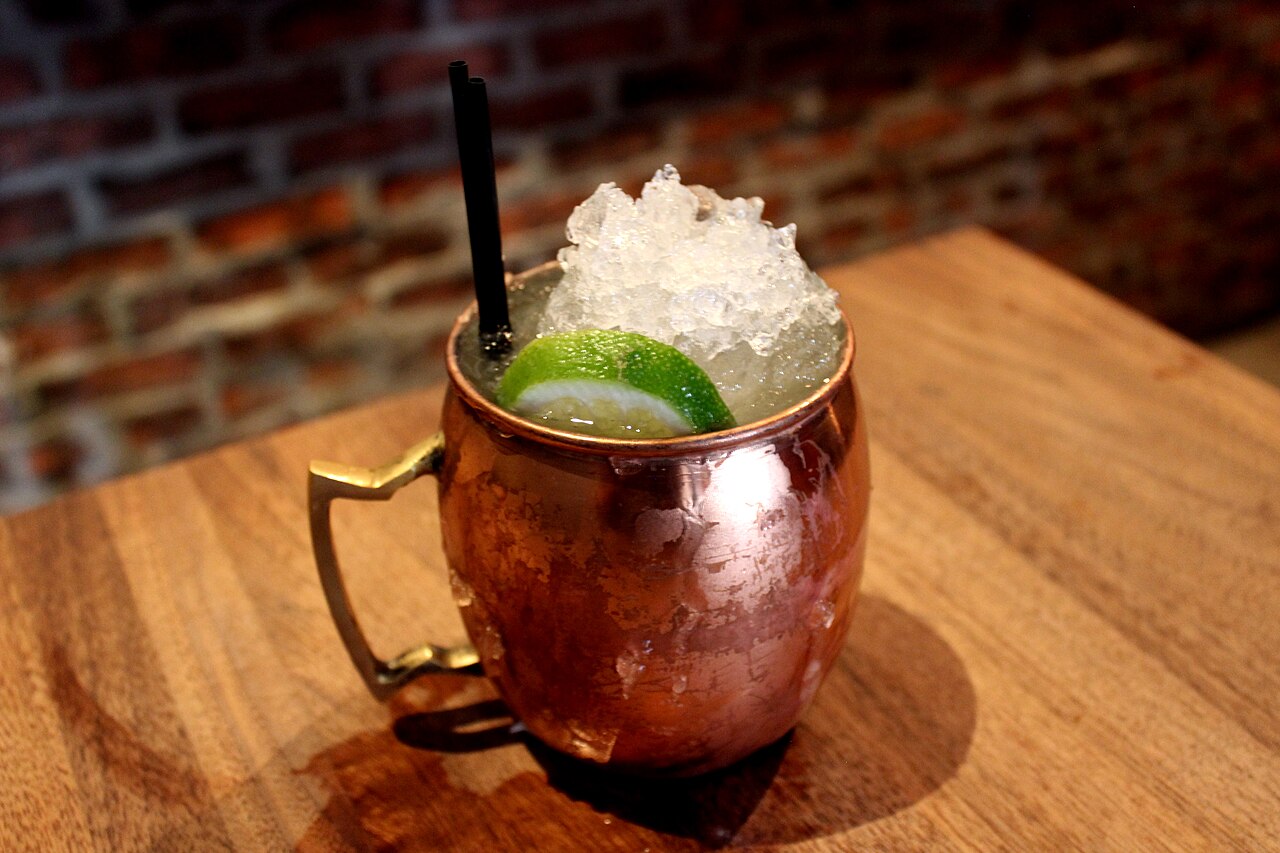
Moscow Mule
vodka, lime, ginger beer
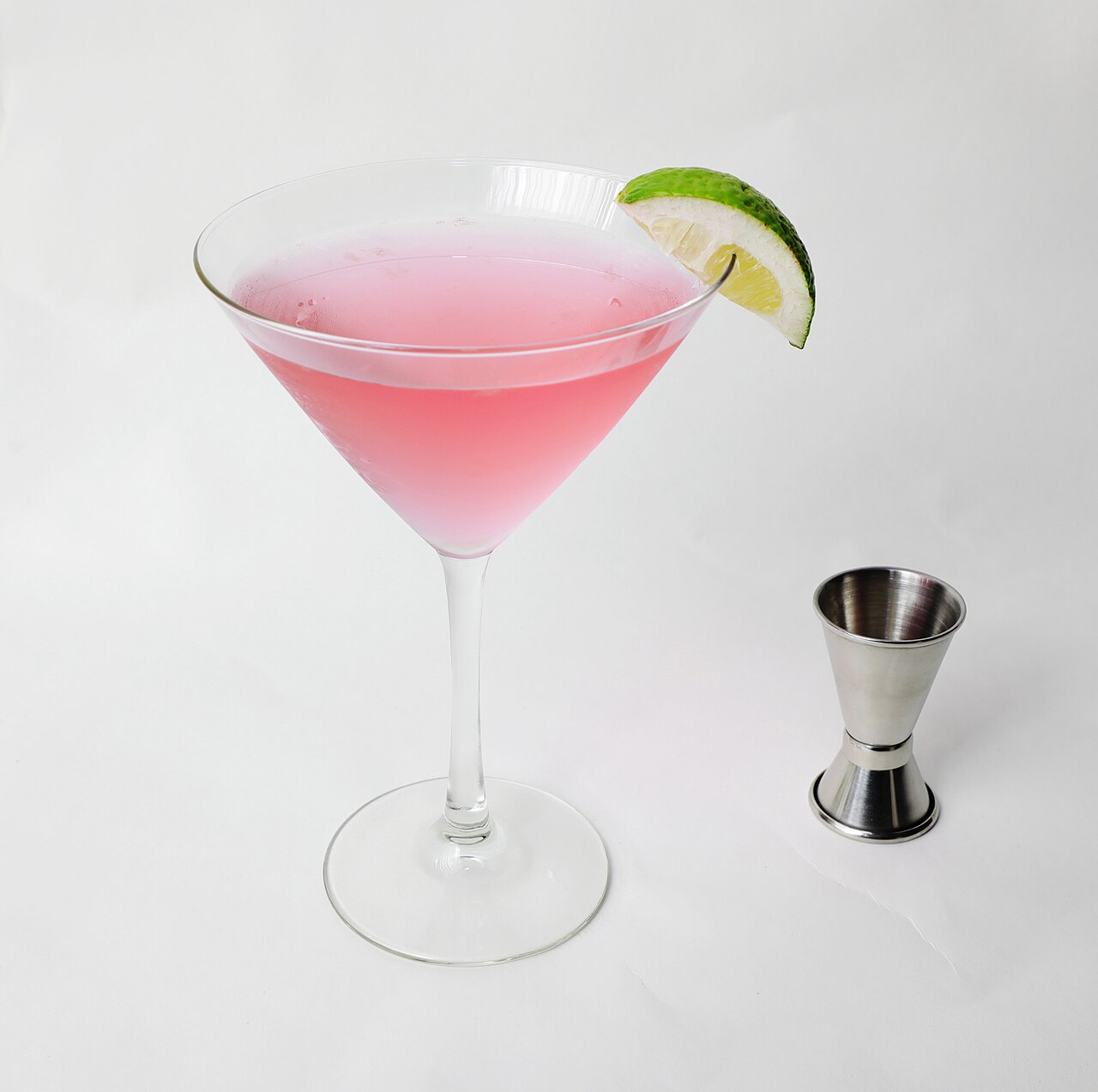
Cosmopolitan
vodka, cranberry, lime
Espresso Martini
vodka, espresso, coffee liqueur
Bloody Mary
vodka, tomato, spice
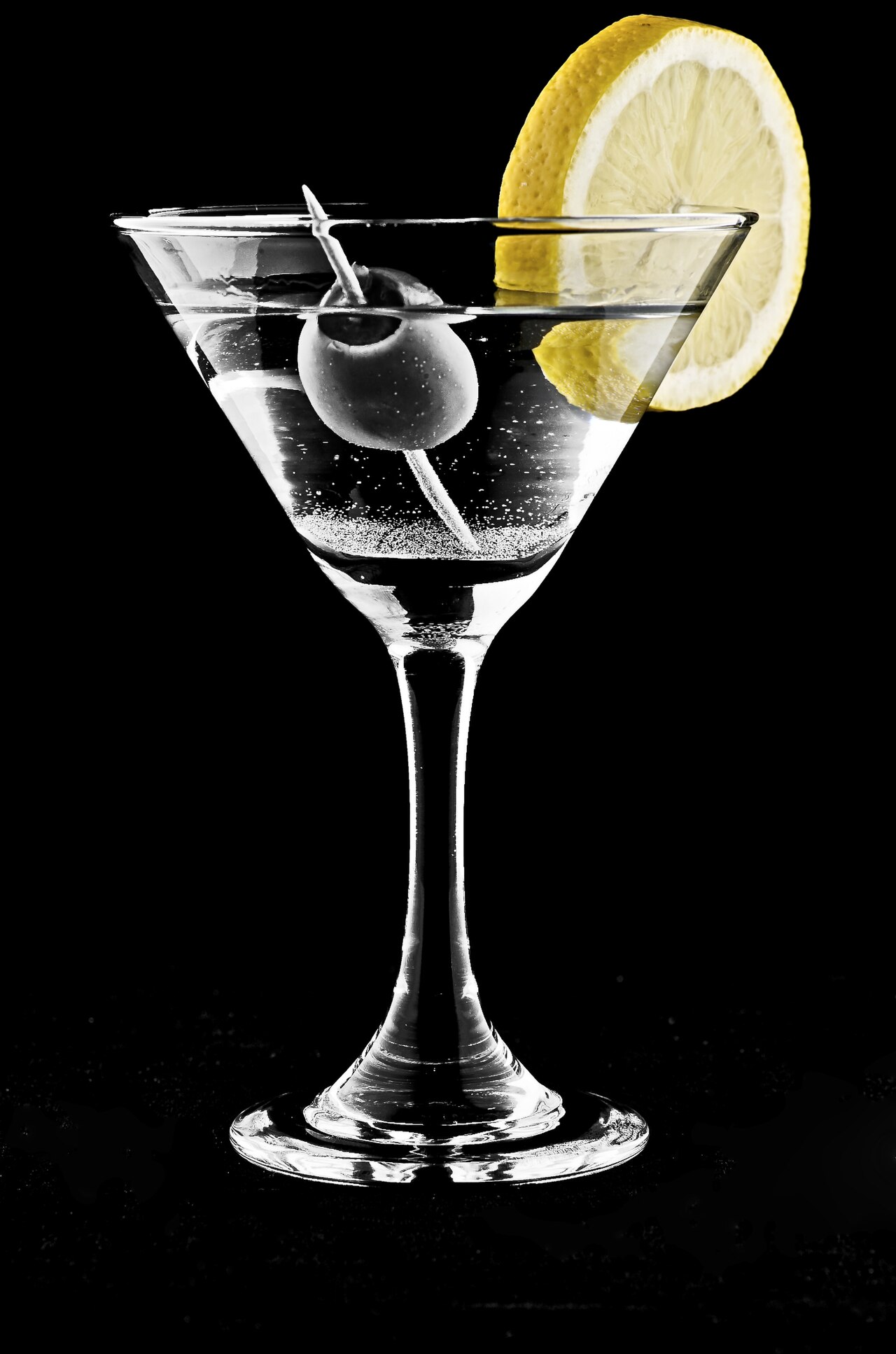
Vodka Martini
vodka, vermouth
One particularly useful experiment is to make the same cocktail twice, once with vodka and once with gin.
A Vodka Martini and Gin Martini, for example, offer a striking demonstration of what happens when the base spirit brings its own botanical character.
The vodka version generally emphasizes texture, temperature, and vermouth, while the gin version introduces juniper and other botanicals into the equation.
It's an excellent way to understand why bartenders choose particular spirits for particular drinks.
Does Vodka Really Go With Everything?
Not quite.
Its neutrality makes vodka extremely adaptable, but some cocktails benefit from the distinct character of other spirits.
A Negroni relies on gin's botanicals to complement and contrast with Campari and sweet vermouth.
An Old Fashioned depends heavily on the personality of its base spirit. Replace the whiskey with vodka and you'll still have alcohol, sweetness, and bitters, but you've also removed much of what makes the original cocktail interesting.
Vodka is versatile, not magical.
Knowing when to use it is just as important as knowing when another spirit might make a better choice.
How to Taste Vodka Without Overthinking It
Now, tasting vodka might sound a little strange. After all, how exactly are you supposed to identify flavor notes in something that's famous for having very few?
But tasting vodka isn't necessarily about discovering elaborate aromas of oak, smoke, or tropical fruit. It's often about noticing the subtle differences in texture, balance, and alcohol character.
Start the same way as you would with any other spirit: a small pour, a small sniff, and a small sip.
Choose two or three vodkas, ideally produced from different agricultural ingredients. A wheat, rye, and potato vodka can make an interesting comparison. Pour a small amount of each into separate glasses, preferably at the same temperature.
Take a gentle sniff and notice whether the spirit seems relatively clean, lightly grainy, sweet-smelling, or predominantly alcoholic. Vodka generally has a much less pronounced aroma than gin or whiskey.
Avoid inhaling too deeply. Concentrated alcohol vapor is unlikely to reward your enthusiasm.
Now, take a tiny sip and pay attention to the mouthfeel.
Does the vodka seem light and crisp, or fuller and more rounded? Is there noticeable warmth from the alcohol? Does it feel particularly sharp, or does it leave a relatively gentle impression?
Those sensations often matter more than trying to identify elaborate tasting notes.
Once you’ve swallowed, consider how long the alcohol warmth and any lingering flavors remain. Some vodkas finish fairly cleanly, while others leave subtle cereal notes, perceived sweetness, or a more pronounced alcoholic bite. See what you notice without trying to force a particular description.
Try It Chilled
Vodka is frequently served chilled, particularly in Eastern European drinking traditions.
Lower temperatures can soften the perception of alcohol heat and make the spirit feel smoother, but they can also mute subtle aromas.
Try comparing a vodka at room temperature with the same bottle served well chilled.
You may discover that you enjoy it differently depending on how it's served.
And no, there's no requirement to freeze your vodka before it becomes socially acceptable to drink. But if you’re doing a shot, you’ll find it easier to throw it back down chilled than at room temp.
A Couple Final Notes
For a spirit so often described as having no taste, vodka has a surprisingly interesting story.
Its history spans centuries of Eastern European tradition, its production demands considerable technical precision, and its ability to blend into an astonishing variety of cocktails has made it an indispensable ingredient behind the bar.
The beauty of vodka lies in its restraint. Where whiskey develops layers of grain and oak, and gin celebrates an elaborate collection of botanicals, vodka generally aims for something simpler: a clean, balanced spirit that doesn't overpower the ingredients around it. Less is more.
Understanding vodka helps develop a keen kind of awareness, one that pays attention to the subtleties in textures, strength, temperature, and the chemistry of ingredients in a cocktail.
So next time someone dismisses vodka as nothing more than tasteless alcohol, you can politely explain that there's just a little more going on beneath the surface.
Or you can just make them a really good Espresso Martini. A well-made cocktail makes the argument better than words ever could.
More in The Spirits Explained
Spirits · The Spirits Explained
Whiskey: The World of Grains, Barrels & Tradition
An introduction to one of the most diverse dark spirits
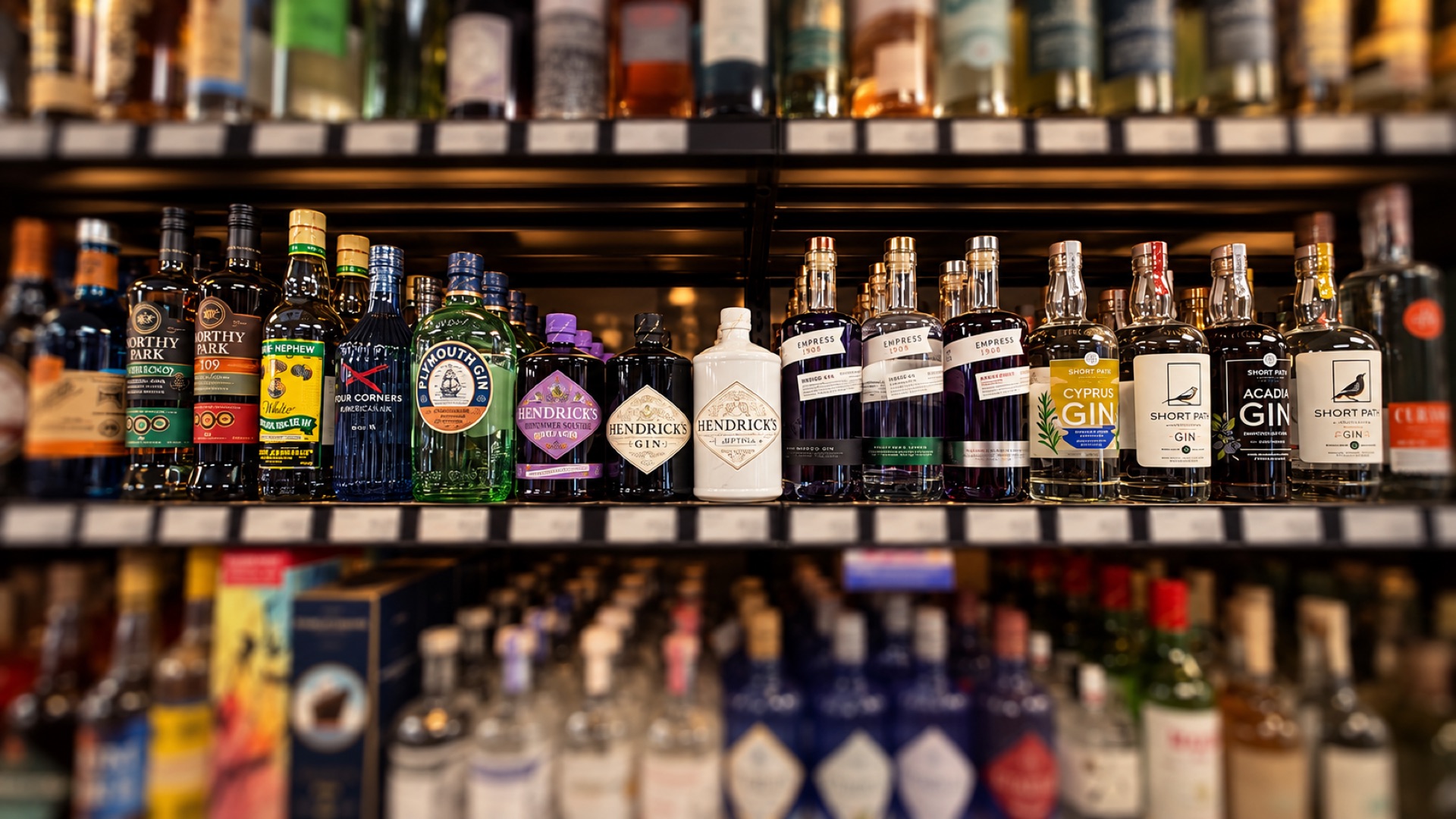
Spirits · The Spirits Explained
Gin: Juniper, Botanicals & Herbs
From medicinal beginnings to martinis and everything in between, a beginner's introduction to the botanical world of gin.
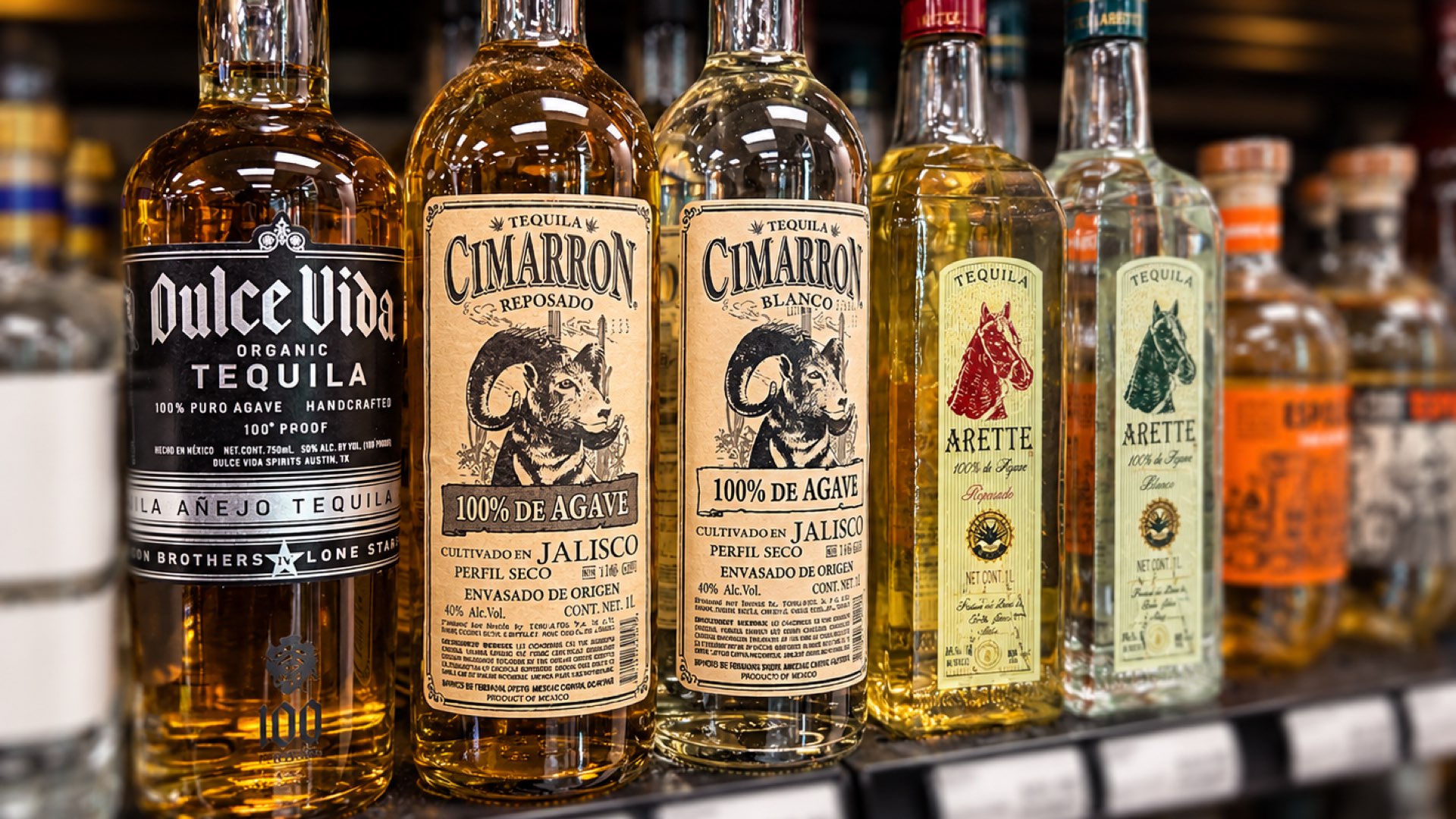
Spirits · The Spirits Explained
Tequila & Mezcal: The Spirit of Agave, Fire & Tradition
From sun-drenched agave fields to smoky earthen pits, an introduction to Mexico's most celebrated spirits.