Spirits · The Spirits Explained · Part 5 of 6
Rum: The Spirit of Sugarcane, Sailors & the Caribbean
From sugarcane plantations and pirate legends to tropical cocktails and centuries of tradition, an introduction to one of the world's most wonderfully diverse spirits.
Yo ho ho and a bottle of rum!
The preferred beverage of pirates, mascot of tropical vacations, and trusted companion of legendary sea captains and sunburnt tourists alike.
It's been smuggled across oceans, rationed to sailors, immortalized in pirate stories, and poured into enough fruity cocktails to fill a small swimming pool. From the decks of old sailing ships to the beaches of the Caribbean, rum has developed a reputation for adventure, mischief, and the occasional spectacularly bad decision.
But beneath the pirate legends and tropical imagery lies a spirit with a surprisingly complex identity, and a history that's considerably more complicated than the cheerful labels might suggest.
Some rums are light, crisp, and delicate. Others are rich with oak, molasses, and spice. Some burst with aromas of overripe tropical fruit, while others taste grassy, herbal, or almost earthy.
So pour yourself something tropical, put the pirate hat away (or don't, I'm not judging), and let's discover what rum actually is.
Fifteen men on the dead man's chest — Yo-ho-ho, and a bottle of rum!
Treasure Island, Robert Louis Stevenson
Rum, in a Nutshell
At its core, rum is a distilled spirit made from fermented sugarcane-derived ingredients, most commonly molasses or fresh sugarcane juice.
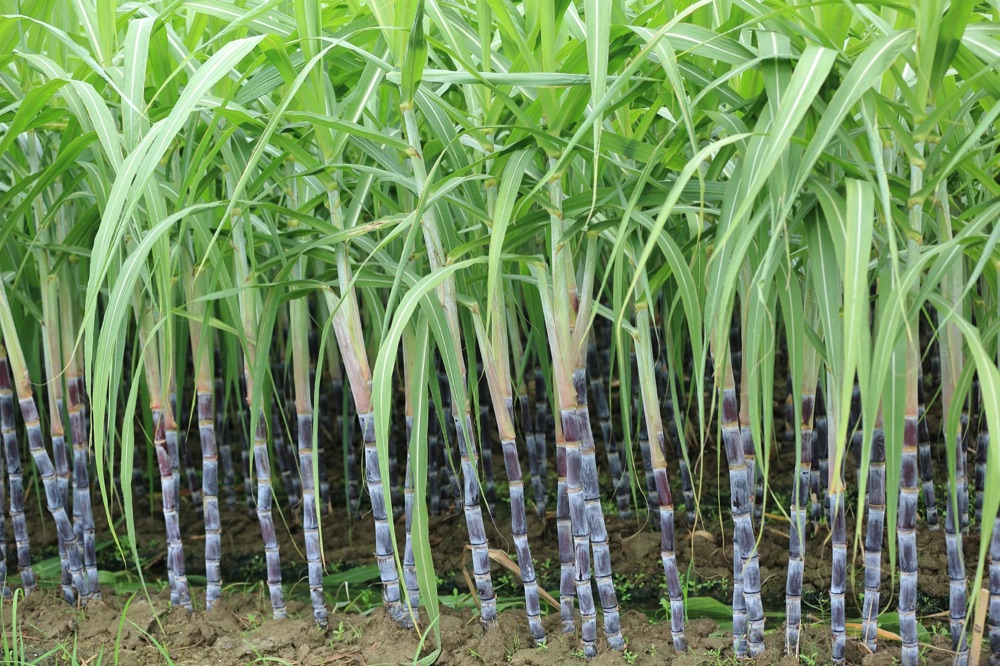
Unlike whiskey, which begins with grains, or tequila, which relies on agave, rum owes its existence to sugarcane—a tall, tropical grass cultivated for its naturally sweet juice.
Now before we get too far, let's clear up one of the biggest misconceptions about rum.
Rum isn't necessarily sweet.
Yes, it comes from sugarcane. But during fermentation, yeast consumes sugars and converts them into alcohol, along with various flavor compounds.
The finished spirit may taste slightly sweet because of its aromas, barrel maturation, or added sweetening ingredients where permitted, but sugarcane origins alone don't guarantee actual sweetness.
And speaking of color, rum classifications are about to get complicated.
Unlike bourbon or Scotch, which operate under relatively recognizable sets of production requirements, rum encompasses numerous regional traditions with differing regulations and terminology. What qualifies as rum, how it can be produced, and what manufacturers can add may vary by country.
That means despite what the liquor-store shelves suggest, rum doesn't neatly divide into white, gold, dark, and spiced - those categories are useful starting points, but they're only part of the story.
A Brief History: Sugar, Sailors & the High Seas
Rum has a storied history, so it deserves a little mentioning.
Few spirits have a history as closely tied to international trade, colonial expansion, and maritime adventure as rum.
Its story begins with sugarcane, a crop cultivated for centuries in different parts of the world before becoming central to Caribbean agriculture. As European colonial powers established sugar plantations throughout the Caribbean, sugar production expanded dramatically.
And wherever sugar was being produced, there was another useful ingredient waiting to be discovered: molasses.
From Sugar Byproduct to Caribbean Spirit
Molasses is the thick, dark syrup left behind during the production of crystallized sugar.
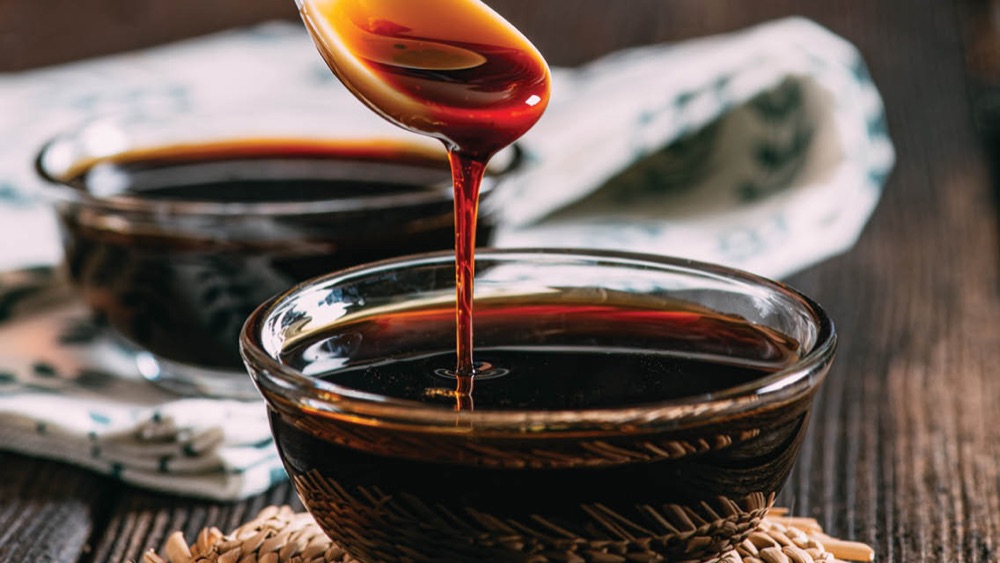
For early Caribbean sugar producers, it offered an opportunity to create another valuable product. By fermenting molasses and distilling the resulting liquid, producers could make a strong alcoholic spirit.
Commercial rum production developed in the Caribbean during the 17th century, with Barbados and Martinique among its important centers.
Early rum was often quite different from the polished spirits we know today. Production methods varied, and some examples were reportedly rather harsh (one historical nickname was kill-devil, which doesn't exactly inspire confidence in the quality-control department).
Over time, improvements in fermentation, distillation, and maturation helped establish rum as an increasingly important commercial spirit.
But there's a much darker side to this history that shouldn't be overlooked.
The Human Cost Behind the Sugar
The Caribbean sugar economy depended heavily on the exploitation of enslaved Africans, whose forced labor sustained plantations and helped create the wealth generated by sugar and rum.
Rum was also deeply entangled with Atlantic trade networks, including the transatlantic slave trade itself.
So while pirates and sailing ships make for entertaining stories, rum's early history cannot be separated from slavery, and the people whose labor made its production possible.
Recognizing that history doesn't diminish rum's cultural importance today. It gives us a fuller understanding of the traditions, communities, and economic forces that shaped it.
Rum, Pirates & the Royal Navy
Rum became closely associated with sailors throughout the Atlantic world, partly because it was widely available in Caribbean ports and could be transported aboard ships.
It also became an important part of British naval life. The practice of diluting rum with water helped give rise to grog, a drink closely associated with naval history.
The Royal Navy then eventually adopted a daily rum ration, which evolved over time and became an enduring maritime tradition. Remarkably, the Royal Navy's daily rum ration survived until July 31, 1970, when it was finally discontinued.
Yes, 1970. Humans had already landed on the Moon, and British sailors were still receiving their traditional rum ration.
As for pirates, rum's connection to maritime trade and Caribbean life certainly helped establish its association with them. Literature and popular culture did the rest.
These days, rum is less likely to be found aboard a pirate ship and more likely to be sitting behind a bar next to a blender.
Though depending on the establishment, the atmosphere might not be entirely different.
How Rum Is Made: From Sugarcane to Spirit
Much like the other spirits we've explored, rum follows a familiar basic journey: raw ingredients, fermentation, distillation, and eventual bottling.
But unlike vodka, where producers often aim to remove much of the original ingredient's character, rum makers can preserve or develop a remarkable range of flavors.
And it all begins with sugarcane.
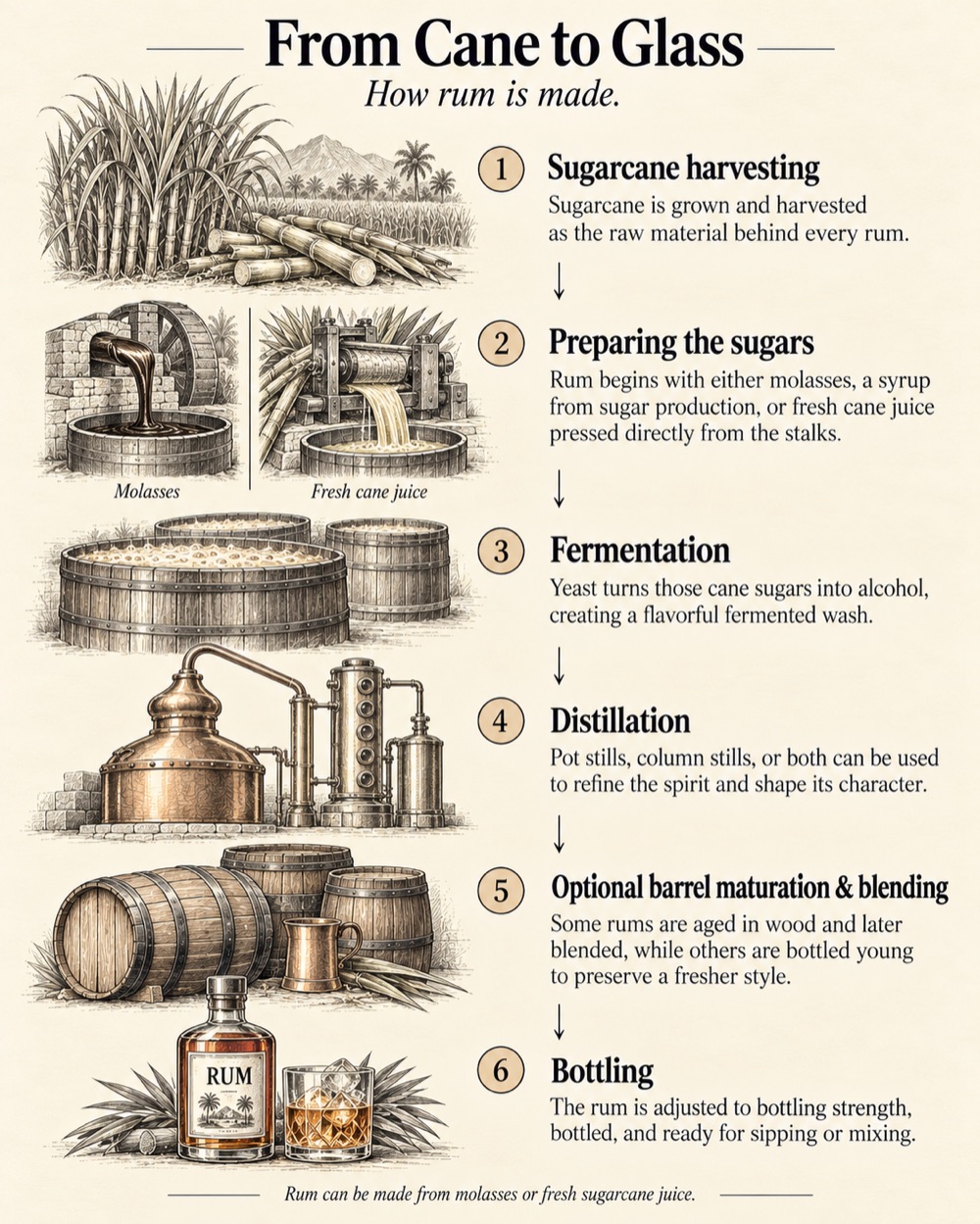
1. Harvesting the Sugarcane
Sugarcane grows in warm climates and is cultivated throughout the Caribbean, Central and South America, and numerous other tropical and subtropical regions.
Once harvested, its stalks are processed to extract their sweet juice.
From here, rum production can follow different paths. Some producers ferment fresh sugarcane juice directly. Others use molasses produced during the sugar-refining process. A smaller number work with sugarcane syrups or other permitted cane-derived ingredients.
2. Preparing the Sugars
This is one of rum's most important distinctions.
Molasses-based rum begins with the thick syrup remaining after sugar production. The molasses is usually diluted with water to create a suitable environment for fermentation.
Fresh sugarcane juice rum, on the other hand, starts with juice pressed directly from the harvested cane. This approach is particularly associated with French Caribbean rhum agricole traditions, although fresh-cane spirits are produced in other regions too.
These different raw materials can influence the spirit's flavor, but fermentation and distillation methods play equally important roles.
3. Fermentation
Next comes our old friend yeast, doing what yeast does best: turning sugar into alcohol.
Fermentation produces alcohol along with various compounds that contribute to the rum's eventual flavor and aroma.
Some producers use relatively short, carefully controlled fermentations to produce lighter, cleaner spirits. Others employ longer or more complex fermentation methods that encourage the development of intensely aromatic compounds.
This is particularly relevant to certain Jamaican rums, famous for their distinctive fruity character.
4. Distillation
Once fermentation is complete, the alcoholic liquid is distilled.
Rum producers commonly use pot stills, column stills, or combinations of both.
Pot still distillation can produce robust, characterful spirits that retain substantial flavor from fermentation, while column stills offer greater control over alcohol concentration and can produce lighter, cleaner rums (although their results vary considerably with the equipment and operating methods).
Neither approach is inherently superior. The important question is what kind of rum the producer is trying to create.
5. Optional Barrel Maturation
Some rums are bottled without aging, while others spend years developing in wooden barrels.
Ex-bourbon barrels are common, although producers may use other types of casks.
Wood maturation can introduce vanilla, caramel-like aromas, baking spices, dried fruit, and toasted oak characteristics.
Tropical climates can also influence how spirits interact with wood.
Warmer temperatures often encourage relatively active maturation and evaporation, meaning that a few years in a Caribbean warehouse can have a substantial effect on a rum's character.
But aging is not a simple race, and an older rum is not automatically better.
6. Blending and Bottling
Finally, different rums may be blended to achieve a particular flavor profile.
Some producers combine spirits made using different stills, fermentation methods, or aging periods. Others bottle individual expressions to showcase specific production characteristics.
The rum may be diluted to bottling strength, filtered, or adjusted in ways permitted by its particular regulations.
And that’s it: a plant, some yeast, a still, and perhaps a few years in a barrel.
Understanding Rum Styles: More Than Just Color
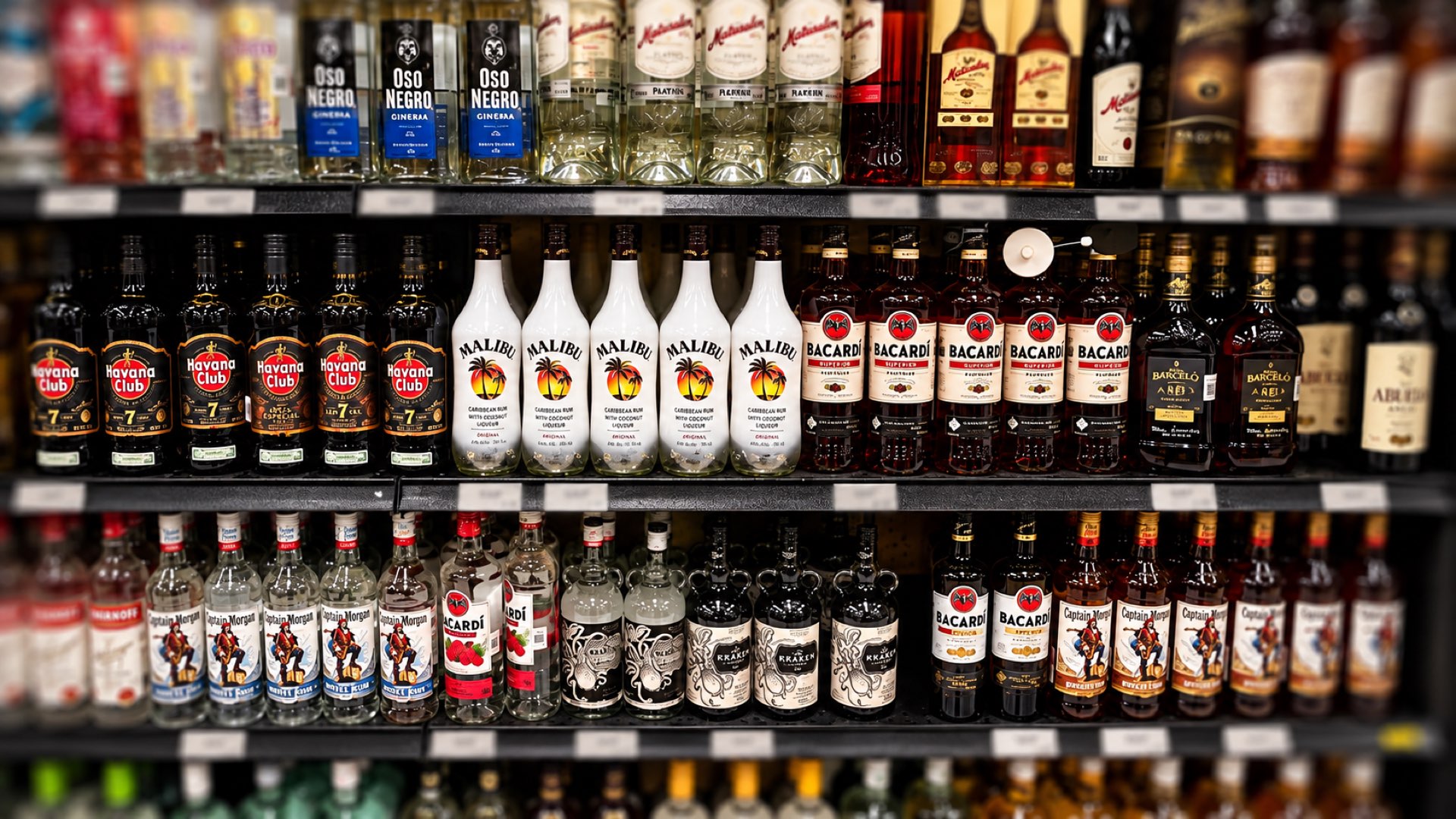
Walk into almost any liquor store and you'll encounter rum divided into familiar categories: white, gold, dark, spiced, and aged.
Convenient, right?
Well…sort of.
Here's the problem: rum color is not a reliable indicator of age, flavor, or quality.
Some clear rums have actually spent time in wooden barrels before being filtered to remove their color (much like those cristalino tequilas we touched on in the introduction to tequila). Meanwhile, certain dark rums derive part of their appearance from added caramel coloring rather than exceptionally long aging.
That's why it's useful to understand the common labels without assuming they tell the whole story.
| Rum style | Common characteristics | Familiar examples |
|---|---|---|
| White / Light | Often clean, delicate, and crisp, though some are intensely flavorful | Bacardí Superior, Havana Club 3 Años |
| Gold / Amber | May have mild to moderate oak influence, depending on the producer | Mount Gay Eclipse, Havana Club Especial |
| Dark / Black | Deep color, often with rich molasses, caramel, or spice impressions | Goslings Black Seal, Myers's Original Dark |
| Aged Rum | Oak-influenced flavors of vanilla, spice, dried fruit, or toasted wood | Appleton Estate 8 Year, El Dorado 12 Year |
| Spiced Rum | Rum flavored with spices and other aromatics | Captain Morgan Original Spiced, Sailor Jerry |
| Overproof Rum | Higher alcohol strength, with flavor ranging from light to extremely intense | Wray & Nephew White Overproof, Planteray O.F.T.D. |
| Rhum Agricole | Fresh-cane character, often grassy, herbal, or vegetal | Rhum J.M Blanc, Clément Blanc |
These aren't mutually exclusive categories. A rum can be both aged and dark, or white and overproof.
With that in mind, let's explore the styles you'll encounter most often.
1. White Rum: Light, Crisp & Refreshing
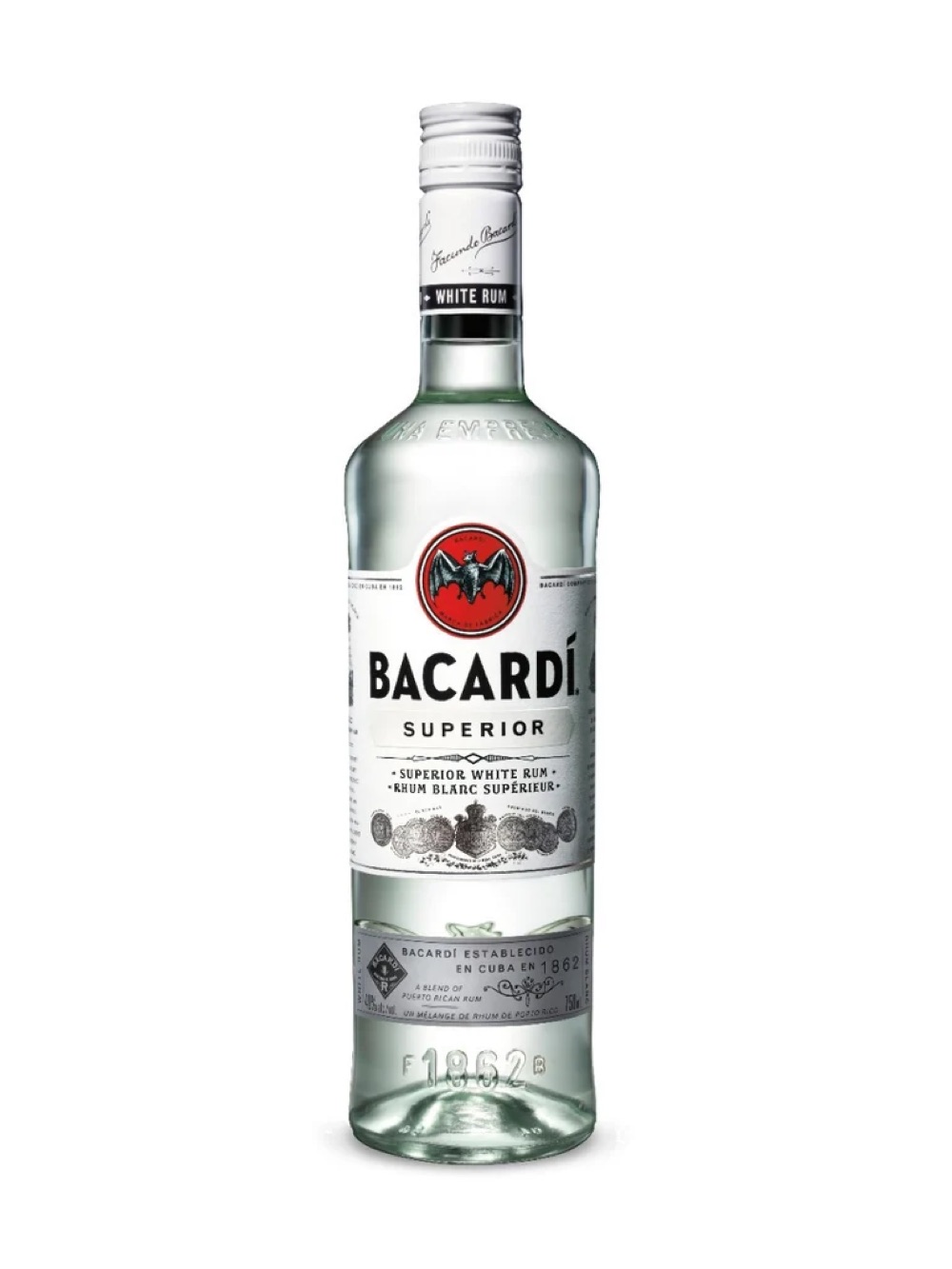
White rum, sometimes called silver or light rum, is typically clear in appearance.
Many familiar white rums are relatively light-bodied, making them particularly useful in refreshing cocktails, or ones where other ingredients take the centerpiece.
However, the absence of color doesn't mean the rum has never touched a barrel. Some white rums are aged and subsequently filtered to remove much of the color. And certain unaged white rums, especially those from Jamaica, can be extraordinarily aromatic and full-bodied.
Behind the bar: White rum is a classic starting point for Daiquiris, Mojitos, and other citrus-forward cocktails.
2. Gold & Amber Rum: A Little More Character
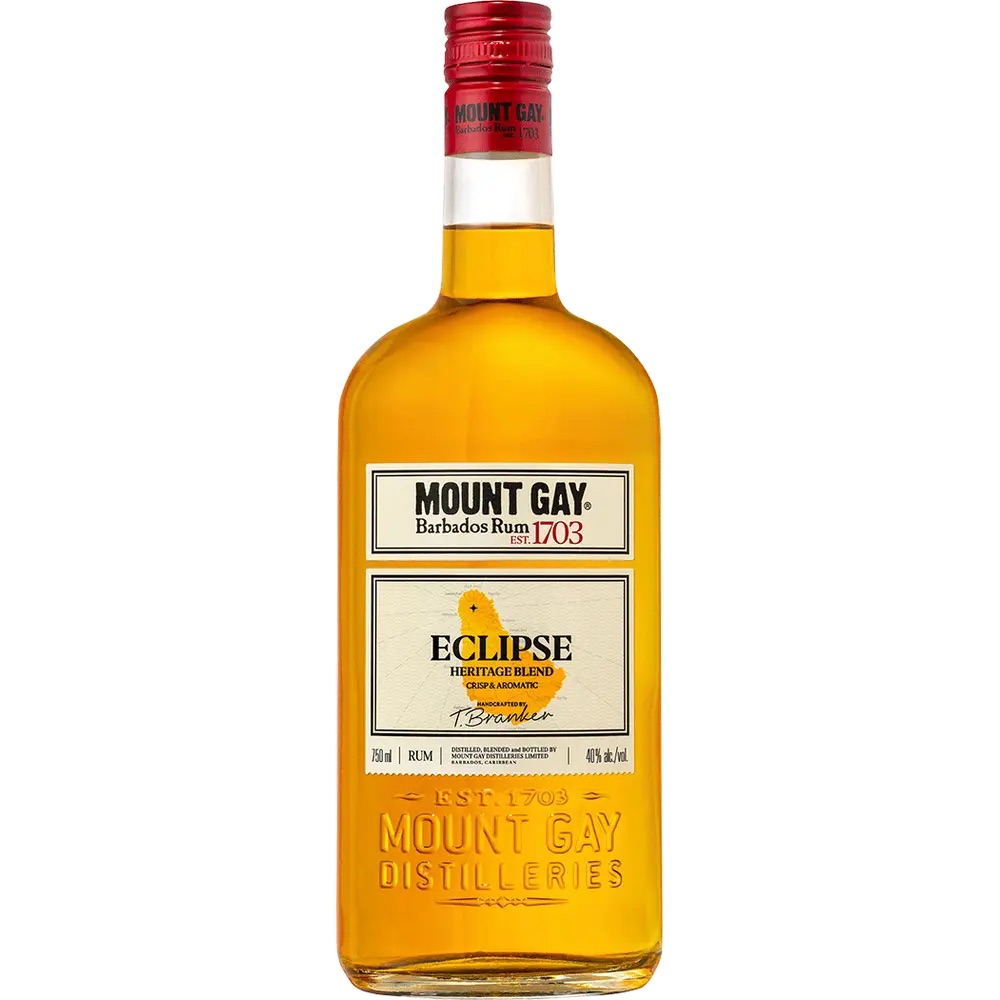
Gold and amber rums generally have a golden or light brown appearance.
They may have spent time in wood, contain blends of aged components, or have had their color adjusted through permitted methods. Some offer gentle vanilla and oak characteristics, while others are noticeably richer.
For beginners, these rums can be a useful bridge between lighter mixing rums and more intensely aged expressions.
Behind the bar: Try gold rum in a Cuba Libre, Daiquiri variation, or rum punch when you'd like a little additional depth.
3. Dark Rum: Rich Looks, Varied Personalities
Now, enter dark rum.
The dramatic member of the family, often appearing nearly black and looking as though it has been resting in an oak barrel since the age of pirates.
But appearances can be deceiving.
Some dark rums develop considerable character through aging, while others obtain much of their deep color from caramel coloring. That doesn't automatically make them poor-quality spirits - it simply means color isn't a reliable measure of maturity.
Dark rums can offer rich notes of molasses, caramel, spice, dried fruit, and sometimes coffee or chocolate.
Behind the bar: Dark rum can be excellent in ginger beer cocktails, tropical punches, and recipes that benefit from a strong molasses-like character.
4. Aged Rum: Where Wood Enters the Conversation
Aged rum is where many whiskey enthusiasts begin discovering just how sophisticated rum can be.
Wood maturation introduces additional flavors, textures, and aromas that can make some expressions particularly enjoyable to sip. Depending on the bottle, you might notice vanilla, toasted oak, caramel-like sweetness, baking spice, dried fruit, or tobacco-like aromas.
Aged rum and dark rum aren't necessarily the same thing.
A genuinely aged rum may be relatively light in color, while a very dark rum may not have undergone particularly extensive maturation. Also, age statements on rum can be more complicated than they first appear, especially when blending and things called solera systems are involved.
For now, look for producers that clearly explain their aging practices rather than relying entirely on impressive-looking numbers.
Behind the bar: Aged rum can be wonderful in an Old Fashioned, stirred spirit-forward cocktails, or simply enjoyed neat.
5. Spiced Rum: Flavor With a Little Extra Help
Spiced rum is typically made by introducing spices and other flavoring ingredients into a rum base. Vanilla, cinnamon, cloves, nutmeg, and other aromatics are common.
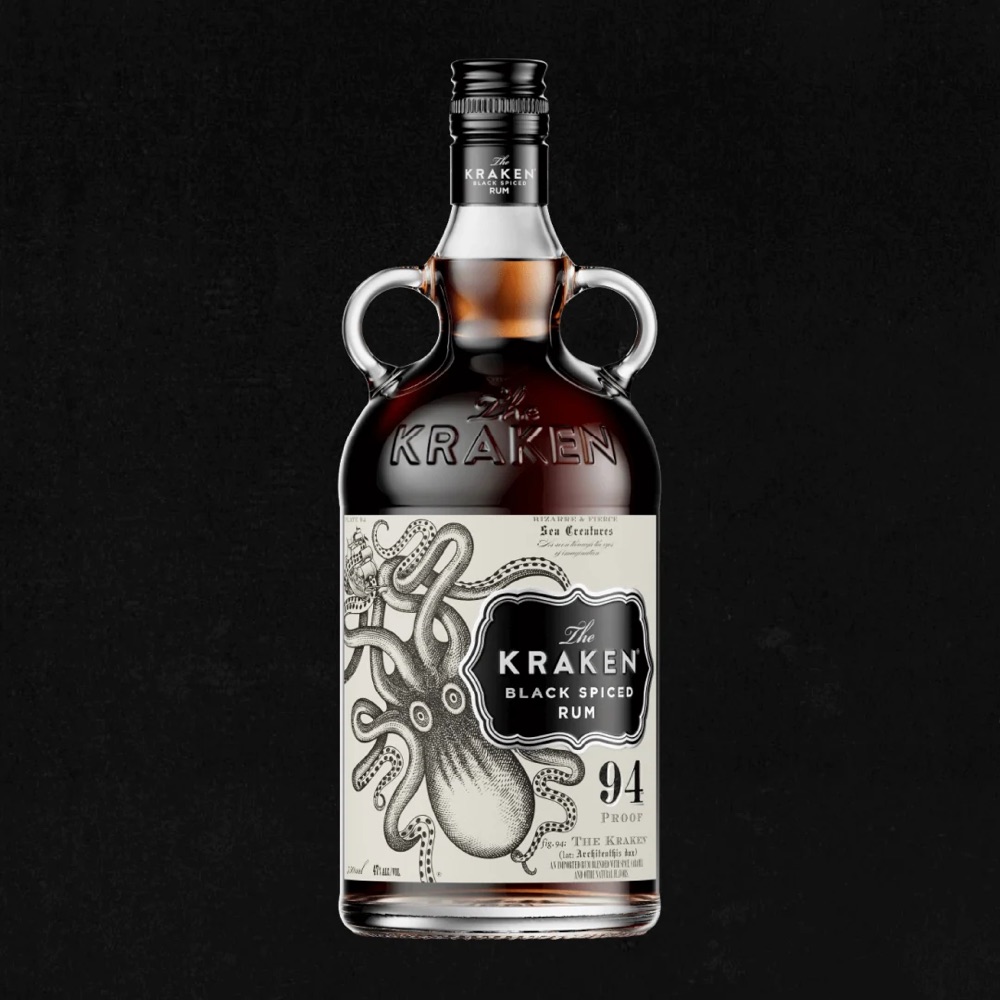
Some spiced rums are relatively dry, while others have a pronounced sweet character. But remember that spiced rum isn't automatically the same as dark or aged rum.
Captain Morgan and Kraken rums probably deserve at least some credit for making this style familiar to an enormous number of people.
Behind the bar: Spiced rum works well with cola, ginger beer, apple-based mixers, and other drinks where its added spices complement the recipe.
Just be careful when substituting it for ordinary rum in a cocktail. Those additional flavors can substantially change the balance.
6. Overproof Rum: Handle With Respect
If you've ever encountered a rum with an alcohol strength well above the standard 40% ABV, you may have stumbled into the world of overproof rum.
These spirits can be intensely aromatic and flavorful, although strength and flavor aren't necessarily the same thing.
Some overproof rums are light and relatively clean. Others, especially certain Jamaican expressions, are famously powerful in both alcohol content and aroma. They can run anywhere from 140 to 190-proof (70% to 95% ABV).
They can be wonderful ingredients in tropical cocktails, often contributing a small but distinctive layer of flavor.
But a higher-strength rum isn't something to casually substitute in equal quantities without considering the drink's alcohol content. A little can go a long way when you have that much firepower.
Many bars use overproof rums as flammable garnishes, torching half-ounce amounts and then pouring the resulting liquid fire into the cocktail for effect.
Regional Rum Traditions: A World Beyond the Bottle
Rum may be strongly associated with the Caribbean, but different islands and countries have developed their own approaches to producing it.
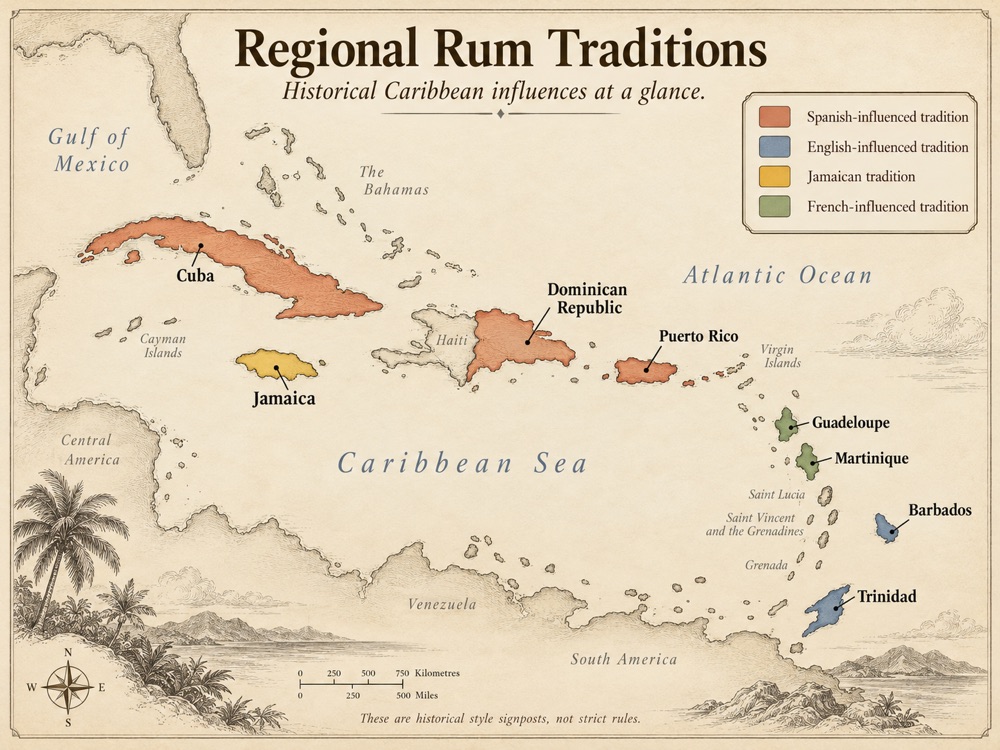
One popular way of explaining these traditions is through three broad historical influences: Spanish, English, and French.
These aren't strict categories, and they certainly don't describe every rum produced in those regions, but they offer helpful starting points.
Spanish-Influenced Traditions: Often Light & Refined
Countries such as Cuba, Puerto Rico, and the Dominican Republic are frequently associated with lighter, relatively clean rum styles.
Column distillation, filtration, and blending have played important roles in many familiar expressions.
Brands such as Bacardí, Havana Club, and Brugal illustrate different aspects of these traditions.
These rums can be particularly useful in refreshing cocktails where the other ingredients need room to shine.
English-Influenced Traditions: Often Rich & Characterful
Jamaica, Barbados, and Guyana have traditions associated with characterful, sometimes heavier rums.
Pot still distillation and the blending of different distillate styles have played important roles in many expressions.
But there's substantial variation even within these countries.
Barbados is associated with balanced blends and long-established producers such as Mount Gay.
Guyana is famous for Demerara rum traditions, including richly flavored expressions associated with El Dorado.
And Jamaica?
Well, Jamaica deserves a moment of its own.
Jamaican Rum & the Famous Funk
Certain Jamaican rums are known for a distinctively intense, fruity character often described as funk.
This can include aromas reminiscent of overripe banana, pineapple, tropical fruit, and sometimes fermented or savory notes.
Yes, overripe bananas.
Much of this character comes from compounds called esters, which can develop through fermentation and contribute fruity aromas to the finished spirit.
Some traditional Jamaican production methods encourage the creation of particularly high concentrations of these compounds.
The result can be wonderfully expressive rum that adds remarkable character to cocktails.
If you're curious, compare a relatively light white rum with something like Appleton Estate or Smith & Cross.
You'll quickly understand why treating all rum as interchangeable is a mistake.
French-Influenced Traditions: Fresh Sugarcane Takes Center Stage
French Caribbean traditions, particularly those associated with Martinique and Guadeloupe, often highlight rum made from fresh sugarcane juice.
This is where you'll encounter the term rhum agricole.
Unlike molasses-based rum, agricole uses the sugars from freshly extracted cane juice, helping preserve a distinctive agricultural character. That doesn’t mean the rum is sweet; these spirits can taste grassy, herbal, peppery, or vegetal, sometimes with fruit or floral notes.
Martinique's AOC rhum agricole is a particularly well-defined regional tradition with its own production requirements. Familiar names include Rhum J.M and Clément.
For newcomers to the rum world, rhum agricole is a fascinating reminder that rum doesn't always taste like vanilla, caramel, or molasses. Sometimes it tastes remarkably close to the plant itself.
Rum Behind the Bar: Why Style Matters
Now that we've met some of rum's many personalities, let's talk about why any of this matters when making cocktails.
When I first made rum cocktails a couple years ago for a friend’s party, I found myself very quickly in well over my head. Cocktail recipes sent me scrambling for one bottle of every type of rum, and in an attempt to save time and money I began swapping rums out haphazardly, which had the expected disastrous results.
And so I learned the hard way - rum is one of those spirits where swapping one bottle for another can completely transform a drink. A light rum might create a clean, refreshing Daiquiri. A Jamaican rum with pronounced fruity character can make that exact same cocktail considerably more aromatic. An aged rum may introduce vanilla and oak, while a fresh sugarcane juice rum can bring rather grassy notes.
Meanwhile, dark rum may provide the richness needed to balance ginger beer or tropical fruit.
That's why choosing rum should be about more than simply reaching for whatever bottle happens to be closest.
Five Rum Cocktails Worth Knowing
| Cocktail | What it teaches you |
|---|---|
| Daiquiri | How rum balances lime and sugar in a simple shaken cocktail |
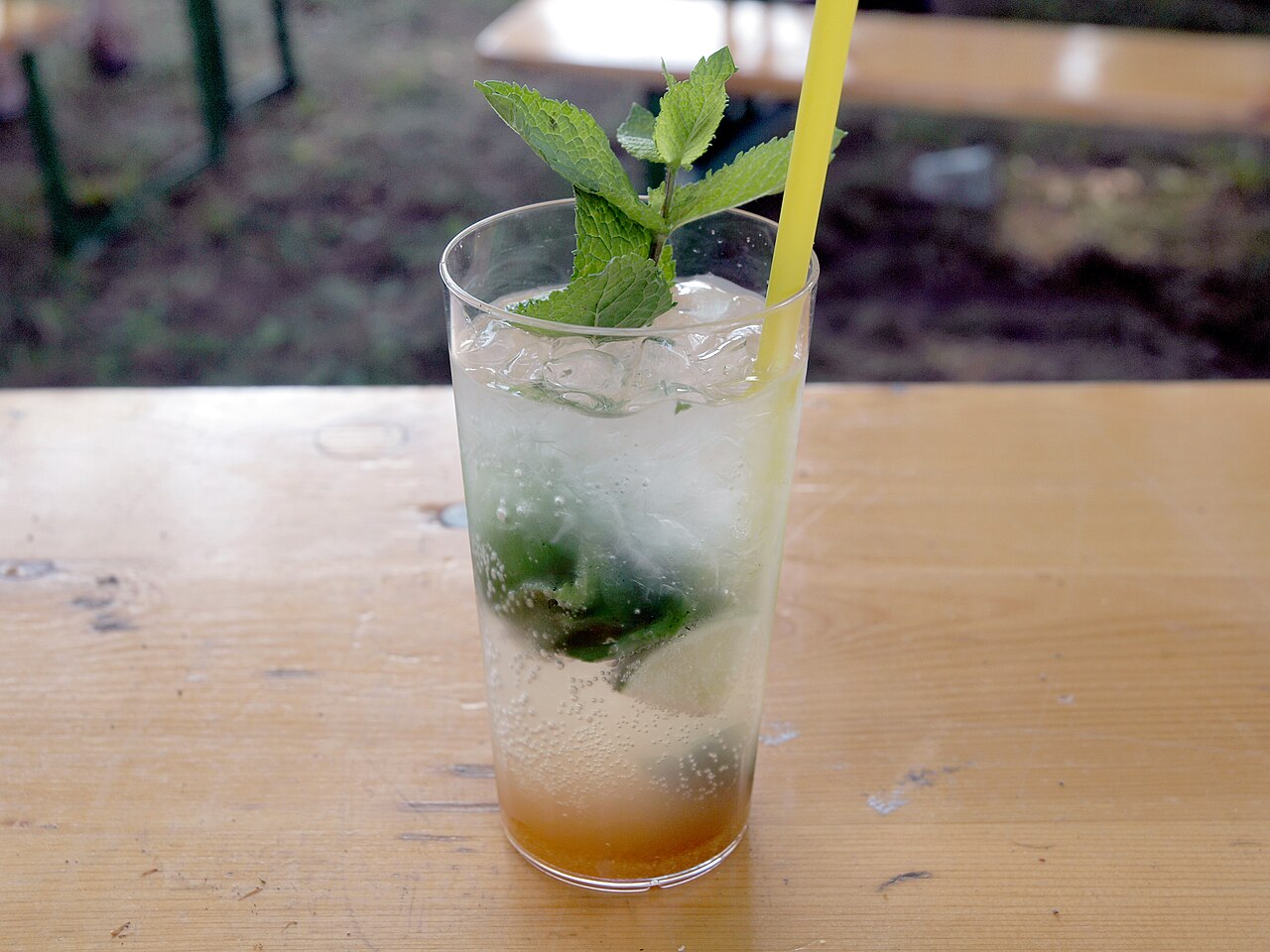
| Mojito | How rum interacts with mint, citrus, sweetness, and soda |
| Mai Tai | How richly flavored rums work with lime, orange liqueur, and orgeat |
| Dark 'n Stormy | How dark rum complements spicy ginger beer and lime |
| Rum Old Fashioned | How aged rum performs in a simple spirit-forward cocktail |
The Daiquiri Experiment
If you only try one rum comparison, make it this one.
Prepare a classic Daiquiri using a relatively light white rum.
Then prepare the same recipe using a more characterful Jamaican rum, keeping the proportions of rum, lime, and sugar identical.
You'll probably notice a substantial difference.
The lighter rum may produce a cleaner, more delicate cocktail, while the Jamaican rum can introduce richer fruit aromas and a more assertive character.
The experiment demonstrates an important bartending principle: the spirit you choose can be just as important as the recipe itself.
Does Expensive Rum Make Better Cocktails?
Not necessarily.
A beautifully aged sipping rum may be wonderful on its own, but its delicate barrel characteristics could disappear in a cocktail dominated by pineapple juice, lime, or strongly flavored syrups.
Conversely, a relatively affordable rum with a distinctive flavor profile might produce an exceptional Daiquiri or Mai Tai.
That's why experienced bartenders often choose rums based on the specific job they need them to perform.
A good home bar doesn't require an expensive collection of luxury bottles. A versatile white rum and a more characterful aged or Jamaican expression can provide an excellent foundation.
From there, you can explore darker, stronger, or more unusual varieties as your interests develop.
How to Taste Rum Without Overthinking It
All right, so you've been introduced to sugarcane, molasses, fermentation, barrel maturation, regional traditions, and something called Jamaican funk.
It's time to taste some rum.
And no, we're not going to start by throwing everything into a blender with coconut cream and a pineapple - tempting though that may be.
1. Start With a Small Pour
Choose two or three contrasting rums: a light white rum, a characterful Jamaican rum, and an aged rum make a useful introductory lineup.
Pour small amounts into separate glasses and give yourself time to compare them.
2. Smell, Sip, and Savor
Bring the glass toward your nose and take a few light sniffs. Does the rum seem fruity, grassy, sweet-smelling, spicy, or woody? Try to find the olfactory notes most commonly associated with the rum you’re smelling. An aged rum may reveal vanilla and oak notes, while a characterful Jamaican rum might offer distinctly tropical aromas.
Now take a sip. Notice the overall character first. Does the rum seem light and crisp or rich and full-bodied? Are there hints of fruit, spice, molasses, herbs, or toasted wood? If all you can confidently say is that one rum tastes fruitier than another, you're already making useful observations.
3. Pay Attention to the Finish
After swallowing, notice what lingers. Does the flavor disappear quickly, or remain on your palate? Are the lingering impressions fruity, spicy, woody, or warm?
These differences often become more noticeable when comparing rums side by side.
4. Add a Little Water If Needed
A splash of water can help lower the intensity of a stronger rum and change how its aromas present themselves. Try the spirit before and after dilution.
You may prefer one version over the other. And as we've established in previous articles, there is no imaginary spirits tribunal waiting to judge your glassware or serving preferences.
5. Try It in a Simple Cocktail
Finally, like we suggested earlier try one of your selected rums in a Daiquiri.
Rum, lime juice, and sugar create a remarkably simple combination that gives the base spirit plenty of opportunity to express itself.
You might discover that a rum you didn't especially enjoy neat becomes wonderful in a cocktail, or that a particularly complex rum is best appreciated with very little else added.
Either way, you're beginning to understand how rum works behind the bar.
A Final Word About Rum
As we conclude our nautical adventure through the tropics, just remember that the spirit is far more diverse than its sugarcane origins suggest.
Rum can be light, rich, fruity, spicy, grassy, intensely aromatic, or beautifully influenced by years of barrel maturation. Its character is shaped by the form of sugarcane used, fermentation, distillation, aging, blending, and the traditions of the people who produce it.
Its history is equally complicated—filled with maritime adventure and cultural exchange, but also deeply connected to human exploitation and labor.
Understanding those stories gives us a more complete appreciation of the spirit and the communities whose craftsmanship continues to shape it.
For the aspiring home bartender, rum offers an extraordinary opportunity to experiment. A simple change of bottle can transform a familiar Daiquiri, add character to a Mai Tai, or turn an ordinary Rum Old Fashioned into something truly memorable.
So the next time someone suggests rum is nothing more than a sweet spirit destined for cola or tropical fruit juice, you'll know there's considerably more to the story.
And if you still want to enjoy a Piña Colada with a little paper umbrella?
By all means.
Just remember that there's an entire world of history, flavor, and tradition behind that pour.
Cocktails in this note
More in The Spirits Explained
Spirits · The Spirits Explained
Whiskey: The World of Grains, Barrels & Tradition
An introduction to one of the most diverse dark spirits
Spirits · The Spirits Explained
Gin: Juniper, Botanicals & Herbs
From medicinal beginnings to martinis and everything in between, a beginner's introduction to the botanical world of gin.
Spirits · The Spirits Explained
Vodka: The Art of Simplicity, Purity & Precision
From humble grains and potatoes to the world's most versatile cocktails, an introduction to the deceptively simple spirit.