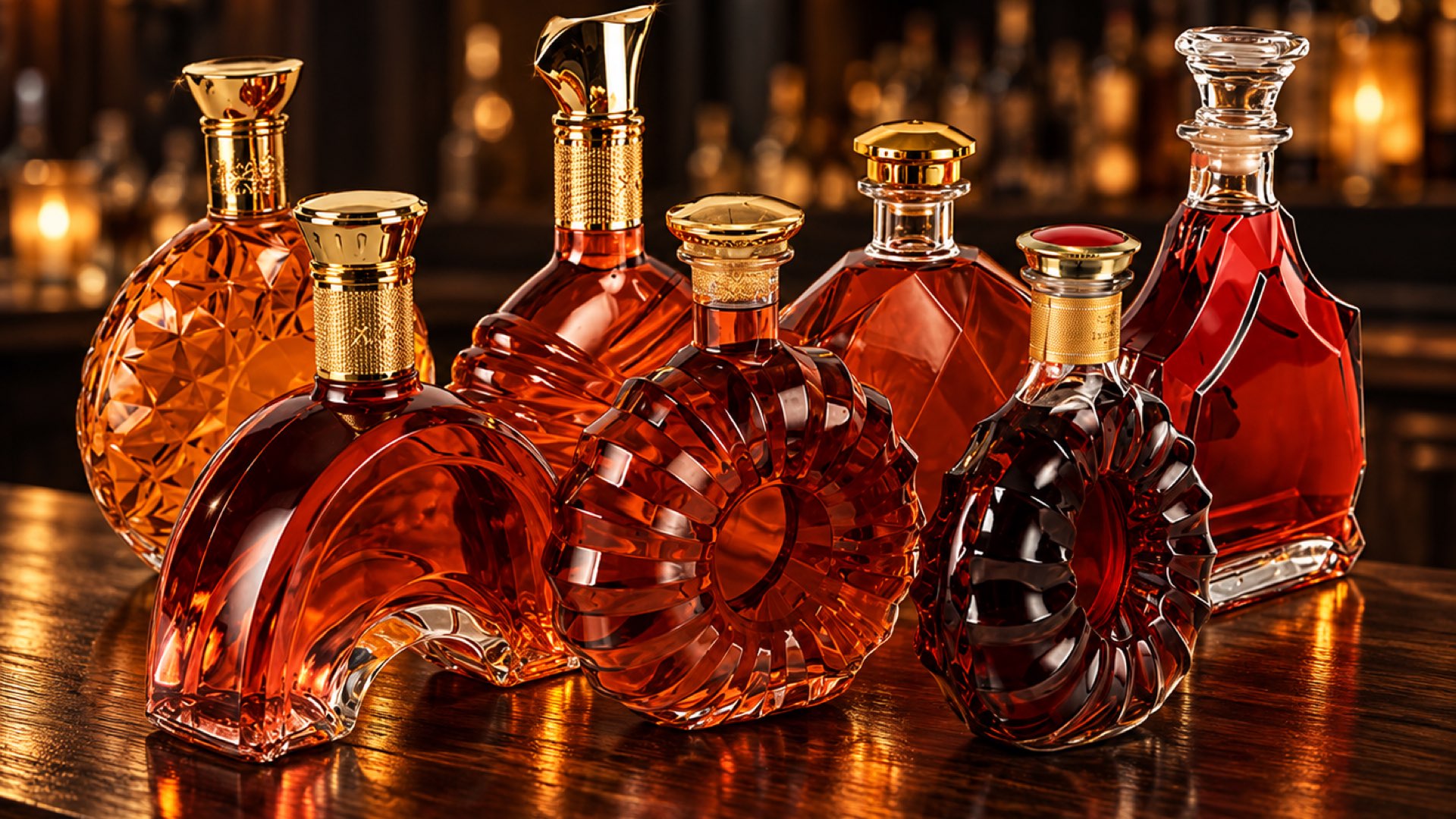
Spirits · The Spirits Explained · Part 6 of 6
Brandy: Fruit, Fire & Old-World Elegance
From French vineyards and apple orchards to South American traditions and timeless cocktails, an introduction to the sophisticated world of distilled fruit.
Brandy. The distinguished gentleman of the spirits world. The drink of choice for aristocrats, retired sea captains, and mysterious old men who sit beside roaring fireplaces discussing matters of great importance. Forever associated with leather armchairs, mahogany libraries, and enormous snifter glasses that look suspiciously like they were designed to hold an entire goldfish.
It's the spirit that makes you feel like you should own a country estate, possess at least three generations of family secrets, and occasionally refer to people as "my dear fellow."
Some brandies are rich, golden, and beautifully aged in oak barrels. Others are crystal clear, bursting with fresh fruit, and have never spent a single afternoon inside a wooden cask. Some begin life as wine, others as fermented apple cider, and a few come from fruits you may never have considered turning into alcohol.
And while brandy has earned a reputation as something best enjoyed after dinner by people with impressive collections of antique furniture, it also happens to be the foundation of some of the most delightful classic cocktails ever invented.
So set aside the smoking jacket, put down the leather-bound encyclopedia, and let's explore what brandy actually is.
Alcoholic drinks, rightly used, are good for body and soul alike, but as a restorative of both there is nothing like brandy.
George Saintsbury
Brandy, in a Nutshell
Brandy is unique among our spirits in that it is not made from a crop or grain (like whiskey, rum, or vodka).
It is made by distilling wine or other fermented fruit products.
The word itself comes from the Dutch brandewijn, meaning "burnt wine," a reference to the heating involved in distillation.
Most familiar brandies are made from grapes. The grapes are fermented into wine, which is then distilled to create a stronger spirit.
But it’s not just grapes that are used for brandy production: apples, pears, cherries, plums, apricots, and numerous other fruits can also be used to create distinctive fruit spirits.
Some brandies are aged in oak barrels, developing rich aromas of vanilla, dried fruit, spice, and toasted wood. Others remain unaged to preserve the bright character of their original fruit.
However, despite its fruity origins, brandy doesn't necessarily taste sweet.
During fermentation, yeast consumes the fruit's sugars and converts them into alcohol. The finished spirit may have aromas reminiscent of ripe or dried fruit, but that doesn't automatically mean it contains much residual sugar.
That being said, certain brandies may be sweetened according to their respective regulations, but sweetness and fruitiness aren't the same thing.
So if you've ever wondered whether brandy is simply strong wine, the answer is: not quite.
Wine provides the starting point for many brandies, but distillation and maturation can transform it into something entirely different.
A Brief History: From Burnt Wine to Fine Brandy
For thousands of years before brandy became a commercial spirit, grapes formed the basis for a a different alcoholic drink - wine. Any society with a grape-growing agricultural sector discovered that letting grapes sit outside and ferment in the sun led to the production of wine, which became a luxury in much of Europe.
Eventually, distillation arrived on the scene, and as those techniques developed and spread through Europe, producers discovered that wine could be distilled into a stronger alcoholic liquid.
This offered several commercial advantages. Distilled wine occupied less space relative to its alcohol content, making it easier to transport as a concentrated product. Distillation could also give merchants another way to use wines that were less desirable for ordinary drinking.
The Dutch played a particularly important role in the historical wine and spirits trade, which helps explain why the Dutch-derived name brandewijn eventually became the English word brandy.
The Rise of French Brandy
Certain regions of France became especially important centers of brandy production.
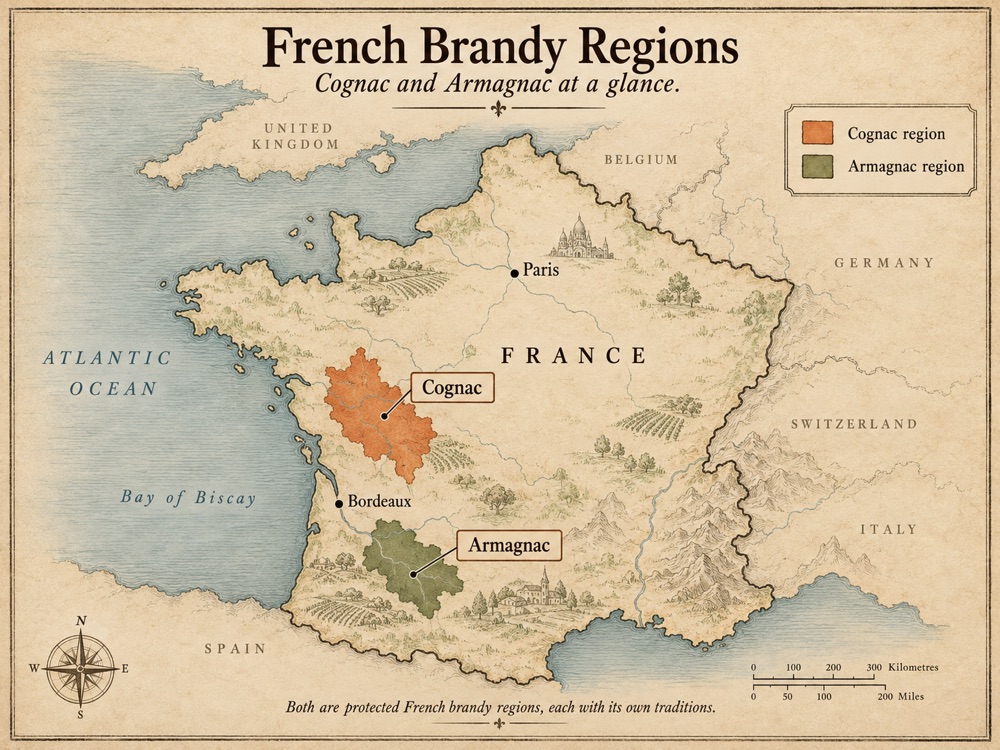
Two of the most famous were Cognac and Armagnac, both located in southwestern France, and flanking the famous Bordeaux wine-producing region.
Over time, producers in these regions developed distinctive approaches to grape selection, distillation, aging, and blending. Their brandies became internationally recognized luxury products, enjoyed by European aristocrats, wealthy merchants, and eventually consumers throughout the world.
Cognac in particular developed an association with refinement, celebration, and prestige. Its reputation became so strong that the name itself is sometimes casually used as though it were synonymous with brandy.
But that's rather like calling every sparkling wine Champagne.
All Cognac is brandy, but not all brandy is Cognac.
And the French have some fairly specific opinions about where that distinction begins and ends.
Brandy Beyond Europe
As European viticulture (”Vit-” = wine) and distillation techniques spread to other parts of the world, new brandy traditions developed.
In South America, grape distillation became central to the production of pisco, with distinct Peruvian and Chilean traditions.
In Normandy, France, cider-making traditions helped establish the apple and pear brandy known as Calvados.
Across Central and Eastern Europe, producers developed numerous fruit brandies made from plums, cherries, pears, and other locally available fruits.
Today, brandy is produced around the world, from historic French distilleries to American vineyards and small European fruit orchards.
How Brandy Is Made: From Fruit to Spirit
If you've followed our previous articles, the basic production process will sound familiar. As with whiskey, rum, and tequila, brandy relies on fermentation and distillation to produce alcohol.
The important difference lies in the raw material.
With brandy, fruit provides the fermentable sugars and much of the spirit's original character.
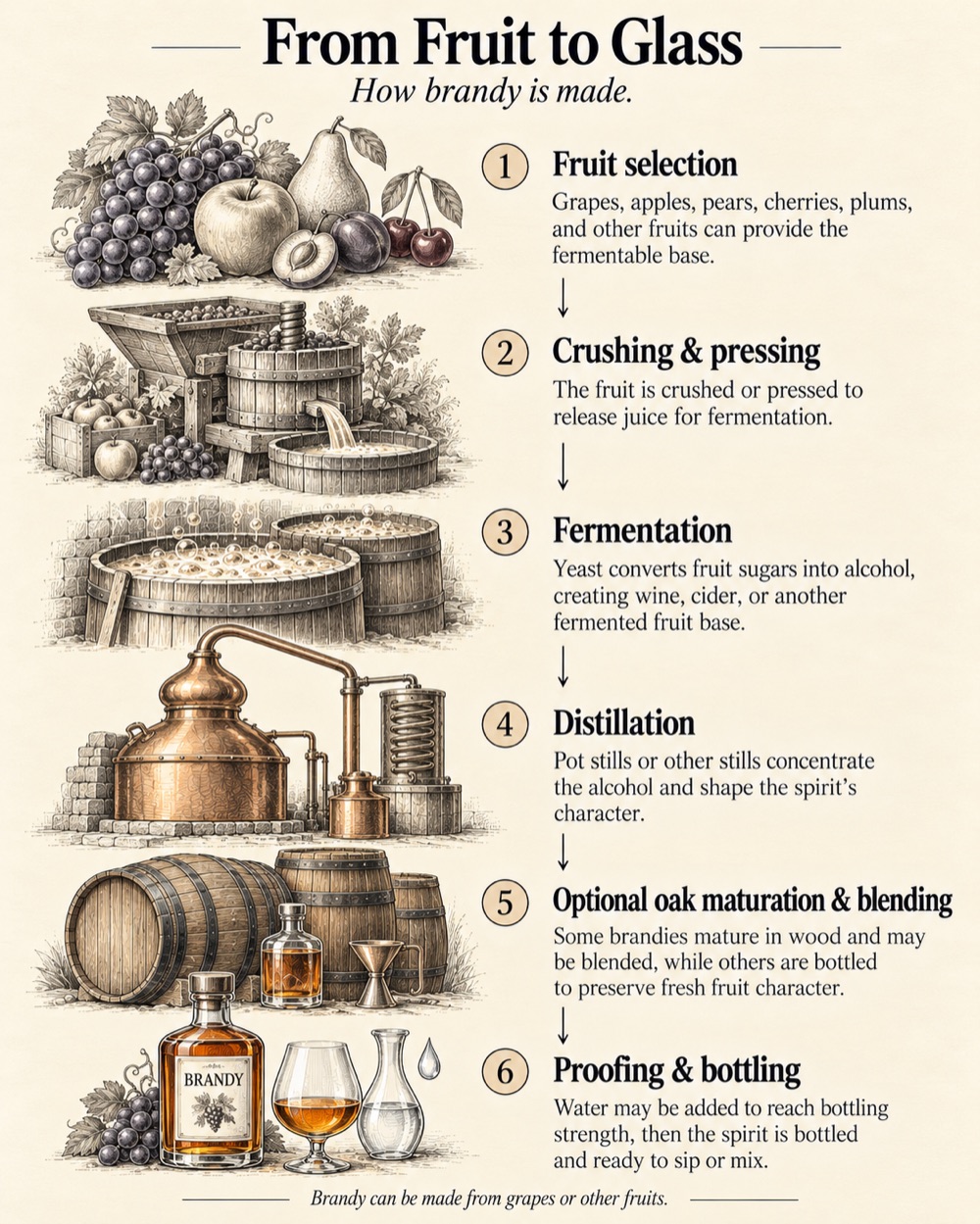
1. Selecting the Fruit
For grape brandy, production begins with grapes suitable for winemaking.
Interestingly, the grapes used for distillation aren't necessarily the ones you'd choose for an expensive bottle of drinking wine. Cognac, for example, relies heavily on the Ugni Blanc grape, valued partly for producing relatively acidic, modest-alcohol wine well suited to distillation.
Fruit brandies may instead begin with apples, pears, cherries, plums, or other fruits.
The variety, ripeness, and condition of the fruit can all influence the eventual spirit.
2. Fermentation
The fruit is crushed, pressed, or otherwise prepared so its sugars can ferment.
Yeast then converts those sugars into alcohol and various flavor compounds.
For grape brandy, the result is wine. For Calvados, it's fermented apple or apple-and-pear cider. For other fruit brandies, the starting liquid may be fermented fruit juice or a fruit mash.
And once again, yeast deserves a moment of appreciation. It's now helped us explore practically every major spirit family, and the poor microorganism still hasn't received a single royalty payment.
3. Distillation
Next, the fermented fruit product is distilled to concentrate its alcohol and shape its flavor.
Some producers use traditional copper pot stills, while others use column stills.
Cognac is famously associated with double distillation in copper pot stills. Armagnac is often produced using a distinctive continuous still, although other permitted methods exist.
Different equipment and distillation decisions influence how much fruit-derived character remains in the spirit.
Importantly, the goal here isn't always maximum purity. Unlike vodka, where neutrality is often desirable, many brandy producers work carefully to preserve or develop flavors that express the original fruit.
4. Optional Barrel Maturation
Some brandies are aged in wooden barrels, while others are bottled without oak maturation.
When brandy rests in oak, it gradually develops additional aromas and flavors, potentially including vanilla, toasted wood, baking spice, dried fruit, and caramel-like notes.
The interaction between the original fruit character and the barrel creates much of the complexity associated with aged Cognac and Armagnac.
However, aging is not universal. Certain fruit brandies and Peruvian piscos are deliberately kept away from flavor-altering wood to preserve their fresh, fruit-driven character.
5. Blending and Bottling
As with whiskey and rum, blending can be an important part of brandy production. Producers may combine spirits from different barrels, vintages, vineyards, or distillation batches to create a desired flavor profile. A master blender's job is to bring these individual components together into something balanced and consistent.
The brandy may then be adjusted to its intended bottling strength before being bottled.
And there you have it.
Fruit becomes wine or another fermented liquid, the liquid becomes spirit, and time—when used—helps transform it into something wonderfully complex.
It's essentially what happens when a winemaker decides to pursue a more ambitious career.
The Major Brandy Styles: A World of Fruit
Unlike vodka or gin, where categories often describe production methods or flavor characteristics, many famous brandies are associated with protected geographical origins.
Cognac, Armagnac, Calvados, and pisco all have traditions and regulations connected to where and how they're produced.
Here's a useful overview.
| Style | Defining character | Familiar producers |
|---|---|---|
| Cognac | French grape brandy, double-distilled and oak-aged; often elegant and fruit-forward | Hennessy, Rémy Martin, Martell, Courvoisier |
| Armagnac | French grape brandy, often robust, fruity, and deeply characterful | Château de Laubade, Delord, Janneau |
| Pisco | Peruvian or Chilean grape spirit, with distinct national production traditions | Barsol, Caravedo, Capel, Mistral |
| Calvados | Apple and sometimes pear brandy from Normandy, aged in oak | Boulard, Christian Drouin, Père Magloire |
| Eau-de-vie | Usually clear, unaged fruit spirit emphasizing fresh fruit aromas | Massenez, Schladerer |
| American brandy | Diverse grape and fruit brandies, including aged and unaged expressions | Korbel, Germain-Robin, Laird's |
These are examples rather than quality rankings, and each category contains considerable variation.
Now let's get acquainted with the most important styles.
1. Cognac: The Aristocrat of the Brandy World
If brandy is the distinguished gentleman of spirits, Cognac is the one who arrives wearing a perfectly tailored suit and somehow knows which fork to use at every formal dinner.
Cognac is a grape brandy produced within a legally designated region surrounding Cognac, France.
It must follow specific production requirements, including approved grape varieties, double distillation using traditional copper pot stills, and maturation in oak.
Unlike ordinary unaged fruit brandies, Cognac must spend at least two years maturing in oak before it can be sold for drinking.
What Makes Cognac Distinctive?
Cognac is often associated with a balance of fruit, floral aromas, and oak-derived complexity.
You might encounter notes reminiscent of grapes, dried apricot, raisins, vanilla, toasted nuts, or baking spices.
Younger Cognacs frequently emphasize brighter fruit and floral characteristics, while older expressions may develop deeper flavors and aromas through extended maturation.
And because many Cognacs are blends of different eaux-de-vie—the French term for individual distilled spirits—blending plays an enormous role in defining each producer's signature style.
VS, VSOP & XO: What Do Those Letters Mean?
If you've ever examined a Cognac bottle, you've probably noticed a confusing collection of initials.
Fortunately, they're not quite as mysterious as they look.
| Cognac designation | Minimum age of youngest component |
|---|---|
| VS (Very Special) | 2 years |
| VSOP (Very Superior Old Pale) | 4 years |
| XO (Extra Old) | 10 years |
| XXO (Extra Extra Old) | 14 years |
Here's the important detail: when Cognac is blended, the classification is determined by the youngest eau-de-vie in the blend.
A VSOP Cognac can contain components considerably older than four years. The label simply guarantees that its youngest qualifying component has reached the minimum age.
And as with whiskey or tequila, older doesn't automatically mean better.
A younger Cognac may offer the bright, lively character you want in a cocktail, while an older expression might be better suited to slow sipping.
Behind the Bar
Cognac is essential to several classic brandy cocktails. The Sidecar, combining Cognac, orange liqueur, and lemon juice, is a particularly excellent introduction.
VS Cognac is often a sensible starting point for mixing, while VSOP can introduce additional oak richness to spirit-forward recipes.
And despite the familiar image of someone swirling an enormous snifter, Cognac doesn't require special ceremony to be enjoyed. A small tulip-shaped glass works beautifully, and a well-made Cognac cocktail is every bit as respectable as sipping it neat.
2. Armagnac: Cognac's Rustic Cousin
Travel south from Cognac into Gascony, and you'll encounter another historic French brandy tradition: Armagnac.
Armagnac is produced in its own legally designated region of southwestern France. Like Cognac, it begins with grapes and develops much of its complexity through oak maturation.
But the production methods and resulting styles can be quite different.
What Makes Armagnac Distinctive?
Armagnac is frequently distilled once using a traditional continuous still, rather than undergoing Cognac's mandatory double pot distillation.
That difference can help preserve a substantial amount of character from the original wine.
Armagnac is often described as robust, earthy, spicy, or richly fruity. You might notice dried plums, raisins, nuts, wood, or warm baking spices while savoring a sip.
That being said, there are Armagnacs more elegant and delicate, while some Cognacs can also be remarkably bold.
Think of Armagnac as Cognac's slightly more rugged relative. Still sophisticated, still well dressed, but perhaps more likely to own a vineyard than a grand château.
Behind the Bar
Armagnac is frequently enjoyed neat, particularly in aged expressions.
However, younger Armagnacs can work beautifully in classic brandy cocktails, offering a different flavor profile from Cognac. Any drinks requiring body and earthiness are excellent recipes to slot Armagnac. Old Fashioned cocktails and Manhattans are good starting points, along with Sidecar and perhaps a brandy-based French 75.
It's an interesting way to see how regional production traditions influence a cocktail without changing the recipe itself.
3. Pisco: South America's Grape Spirit
Now let's leave France for a moment and travel across the Atlantic to South America for another grape tradition.
Pisco is a grape spirit produced in Peru and Chile, with each country maintaining its own distinct production traditions and legal requirements.
And, much like the occasional vodka-origin argument, the subject of pisco's historical and geographical identity can inspire some rather passionate discussions.
Both countries have longstanding associations with the spirit, and the dispute over the name is more complicated than a simple claim of who invented it first.
For our purposes, the most useful thing to understand is that Peruvian and Chilean piscos are not produced under identical rules.
Peruvian Pisco
Peruvian pisco is produced from designated grape varieties and distilled under specific requirements.
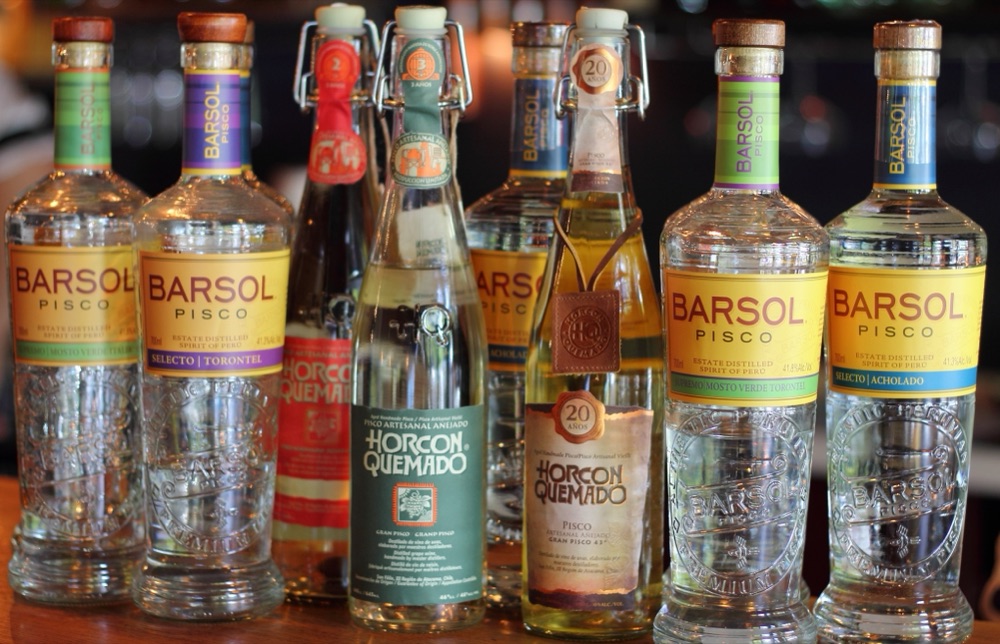
Unlike Cognac, it isn't matured in oak. Instead, it rests in containers that do not impart flavor or color, allowing the grape-derived character to remain prominent.
Different Peruvian pisco styles highlight different grape varieties and aromatic profiles. Some are floral and intensely fragrant, while others are more subtle, earthy, or fruit-forward. The result is a very expressive clear spirit.
Chilean Pisco
Chilean pisco also begins with grapes, particularly aromatic varieties.
However, Chilean regulations allow production approaches that differ from those used in Peru, including certain forms of wood maturation and adjustment to bottling strength. Consequently, Chilean pisco encompasses a range of expressions, starting from clear and aromatic, but progressing to more mature, oak-influenced styles.
Neither country's production tradition should be treated as a universal template for the other.
Behind the Bar
Pisco is perhaps most famous internationally for the Pisco Sour.
This cocktail typically combines pisco, citrus juice, sweetness, and often egg white, creating a bright, refreshing drink with a distinctive texture.
It's an excellent illustration of how a fruit-derived spirit can contribute considerable character without relying on barrel aging. And if you're a fan of Whiskey Sours, the Pisco Sour is a particularly rewarding cocktail to explore.
4. Calvados: When Apples Become Something Extraordinary
Now, even though the more common brandies we think of are grape-based, not all brandy begins with grapes.
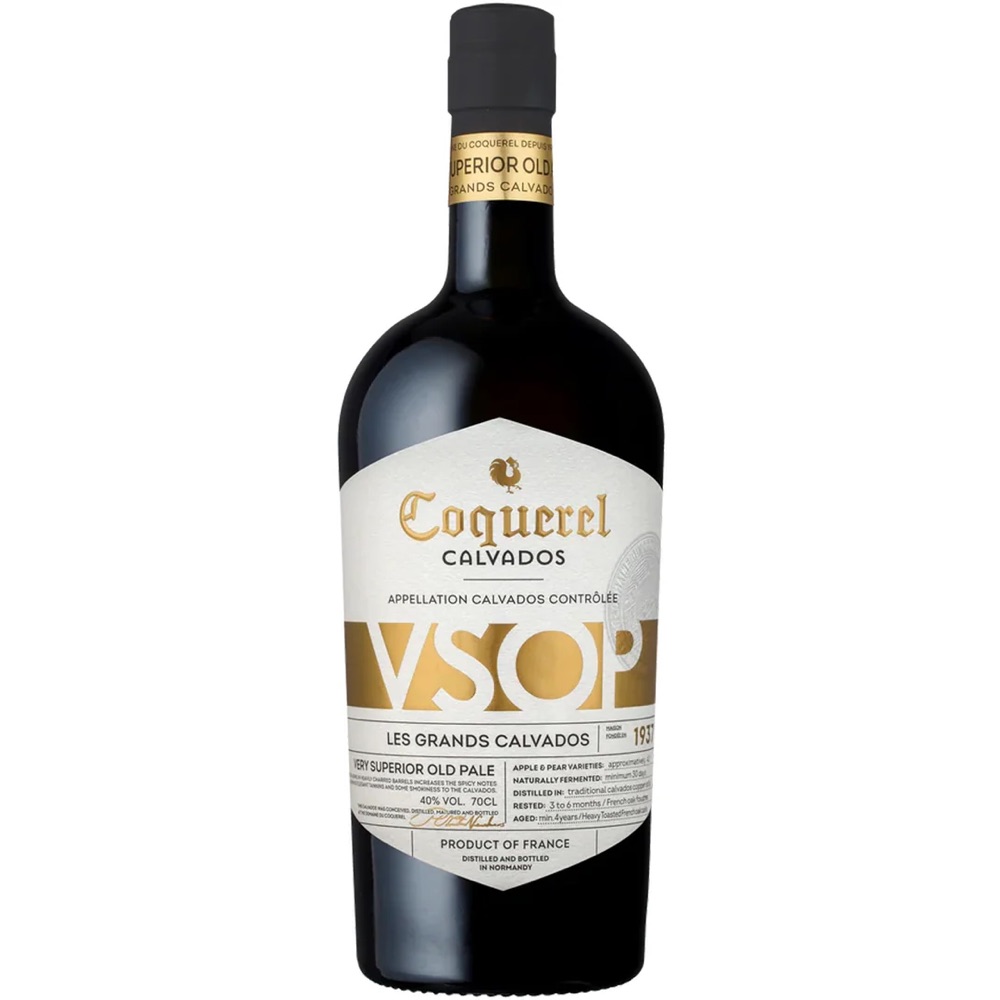
In Normandy, France, apple orchards have given rise to one of the most distinctive fruit brandy traditions in the world: Calvados. It is made by fermenting apples—and, in certain production traditions, pears—into cider before distilling the resulting liquid.
The spirit is then matured in oak barrels. Most Calvados must age for at least two years, while the Calvados Domfrontais designation requires at least three.
What Makes Calvados Distinctive?
Imagine the aroma of fresh apples, baked fruit, warm spices, and toasted wood.
Depending on the expression, Calvados can offer bright orchard-fruit character or richer notes reminiscent of baked apples, caramel, dried fruit, and vanilla.
But don't mistake it for apple-flavored whiskey (Applejack) or sweet apple liqueur. Calvados is a distilled fruit spirit with its own character, shaped by cider production, distillation, and oak maturation.
Younger expressions often retain lively apple aromas, while older examples develop greater richness and complexity.
Behind the Bar
Calvados can be wonderful in cocktails that complement its orchard-fruit character.
Try it in a Jack Rose-inspired variation, a Brandy Old Fashioned, or alongside apple and autumnal spice flavors.
It can also make a particularly interesting substitute for whiskey in certain stirred drinks. If you're someone who already enjoys bourbon's vanilla and baking-spice notes, Calvados is well worth exploring.
It's like discovering that your favorite apple orchard has been quietly operating a distillery.
5. Eau-de-Vie: The Pure Expression of Fruit
Now, let's talk about a category that sounds considerably more intimidating than it really is.
Eau-de-vie translates from French as "water of life."
It's a term used for distilled spirits, but in the context of fruit brandies, it often refers to clear, unaged spirits made from fermented fruit.
You might now be asking “but wait, isn’t that just unaged fruit brandy?” Yes, which brings us to an important clarification:
All eau-de-vie is brandy but not all brandy is eau-de-vie.
The major difference between the two is that unlike Cognac or Calvados, these spirits typically avoid barrel maturation so that the original fruit remains the main attraction. Furthermore, they are usually made from fruits other than grape.
Some familiar examples include:
- Kirsch: A clear cherry spirit, traditionally made from fermented cherries.
- Poire Williams: A pear eau-de-vie, often made from Williams pears.
- Slivovitz: A plum brandy associated with Central and Eastern European traditions.
- Apricot brandy or eau-de-vie: Dry fruit spirits made from apricots, distinct from many sweet apricot-flavored liqueurs.
These spirits can be remarkably aromatic, offering a concentrated impression of fresh fruit without necessarily tasting sweet. A high-quality pear eau-de-vie, for example, can smell astonishingly like a ripe pear.
The experience is almost confusing at first: your nose expects fruit juice, while your palate discovers a dry, relatively strong spirit.
Behind the Bar
Fruit eau-de-vie can add distinctive aromas to cocktails without introducing the sweetness associated with many fruit liqueurs.
A small amount of pear, cherry, or plum brandy can completely change the character of a drink.
But be careful with labeling.
Dry fruit brandy isn't necessarily the same as a sweet fruit-flavored brandy liqueur.
Some products sold under names such as cherry brandy or apricot brandy may be sweetened liqueurs rather than distilled spirits made primarily from the named fruit.
That distinction matters when following cocktail recipes. A sweet cherry liqueur and a dry kirsch are not interchangeable without affecting the drink's balance. Look carefully at the label and reconcile that with what the recipe calls for.
What About American Brandy & Applejack?
Although France receives much of the attention, American producers have a long history of making brandy.
Grape brandies are produced in several American wine-growing regions, including California. Some are relatively affordable mixing spirits, while others are carefully crafted and aged products that deserve serious attention.
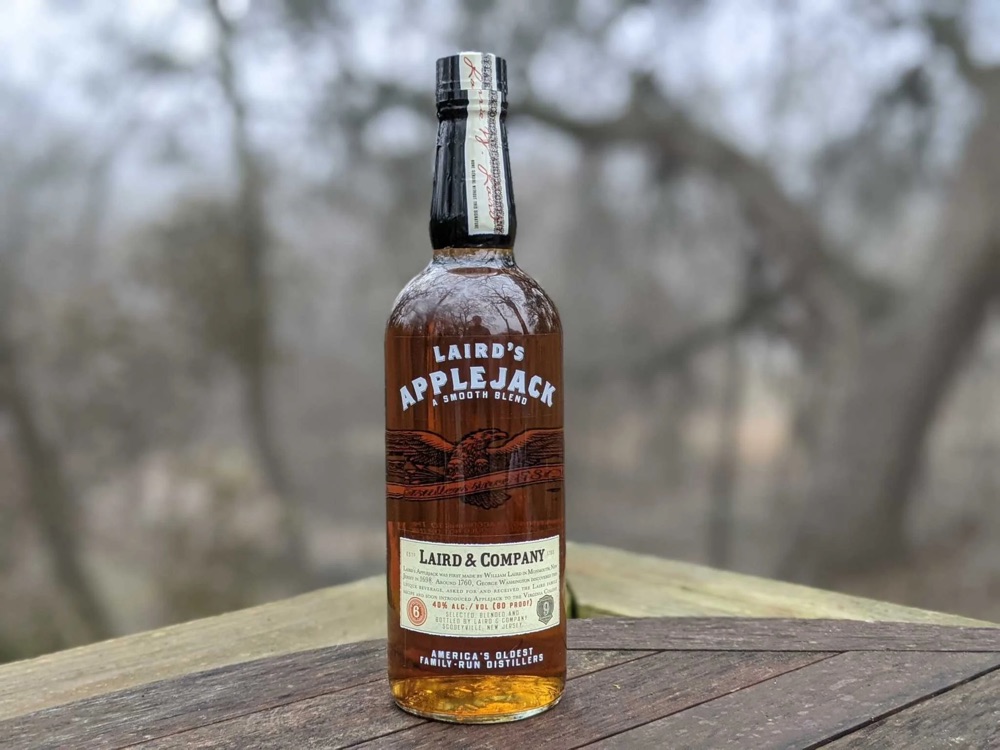
You'll also encounter applejack, an American apple-based spirit with roots in early colonial drinking traditions. Said to be George Washington's favorite brandy, applejack was historically produced through freeze concentration, in which water was partially removed from hard cider by freezing.
Modern commercial applejack is generally produced through distillation, and certain products may combine apple brandy with neutral spirits.
Laird's is one of the best-known names associated with American apple spirits.
Brandy Behind the Bar: Much More Than an After-Dinner Drink
Brandy has long had a reputation for being a sipping spirit. But while many aged brandies are wonderful enjoyed neat, brandy is actually one of the earliest ingredients of classic cocktail history.
Long before vodka became a global favorite, brandy featured prominently in punches, sours, daisies, and numerous other mixed drinks.
Its natural fruit character makes it particularly interesting because it can contribute both brightness and richness, depending on the style.
Five Brandy Cocktails Worth Knowing
| Cocktail | What it teaches you |
|---|---|
| Sidecar | How Cognac balances lemon juice and orange liqueur |
| Brandy Alexander | Combining brandy, crème de cacao, and cream |
| Pisco Sour | How grape character works with citrus, sweetness, and a foamy texture |
| Brandy Old Fashioned | How brandy performs in a spirit-forward cocktail |
| Jack Rose | How apple brandy interacts with citrus and grenadine |
The Sidecar Experiment
If you want a particularly useful introduction to brandy in cocktails, start with the Sidecar.
Its combination of brandy, lemon juice, and orange liqueur gives the spirit room to shine while providing enough citrus and sweetness to create balance.
Make one version with a young Cognac. Then, if you have the opportunity, try it with Armagnac or another quality grape brandy.
Notice how the drink changes.
A brighter brandy may emphasize fruit and freshness, while a richer expression can introduce more depth and oak character.
It's the same principle we encountered with Daiquiris and rum, or Margaritas and tequila. The base spirit matters.
Do You Need Expensive Cognac for Cocktails?
Absolutely not.
While premium aged Cognacs can be extraordinary spirits, using one in a heavily mixed cocktail doesn't automatically create a better drink. Some delicate characteristics may be obscured by citrus, liqueurs, or other strong ingredients.
For beginners, a dependable VS Cognac or other suitable mixing brandy is generally a more practical investment than an expensive XO expression. Save the luxury bottle for an occasion when you can appreciate its subtleties.
And perhaps for the moment when you finally purchase that mahogany library.
How to Taste Brandy Without Feeling Like an Aristocrat
All right, so we've explored vineyards, orchards, distillation traditions, aging classifications, and enough French terminology to make a restaurant menu considerably less intimidating.
Now it's time to taste some brandy.
As with all our other spirits, we follow the basic tasting steps: small pour, small sniff, small sip.
I’d start with a grape brandy such as Cognac or Armagnac. If possible, compare it with a fruit brandy such as Calvados or a clear pear eau-de-vie. You got to establish a baseline before you begin the more nuanced comparisons.
Bring the glass toward your nose and take a few light sniffs. You might notice fresh fruit, dried fruit, flowers, vanilla, spice, or oak. An unaged fruit brandy (eau-de-vie) may offer particularly vivid aromas of the original fruit, while an aged expression may reveal more wood-derived characteristics.
Next, pay attention to the spirit's texture and overall flavor. Does it seem bright and fruity, rich and rounded, or dry and spicy? Do you notice the original fruit beneath the influence of the barrel? Remember that fruity aromas don't necessarily mean the spirit contains much sugar.
After swallowing, consider what lingers. Does the brandy leave notes reminiscent of dried fruit, toasted wood, spice, or fresh orchard fruit? Does the warmth fade quickly or remain for some time?
Try It in a Classic Cocktail
Finally, explore how the spirit behaves when mixed. A Sidecar is an excellent starting point for grape brandy. For apple brandy, consider a Jack Rose.
You'll begin appreciating how fruit, maturation, acidity, and sweetness work together in a cocktail.
A Final Word About Brandy
From the vineyards of Cognac and Armagnac to the apple orchards of Normandy and the grape-growing regions of South America, brandy represents a remarkable range of fruit, landscapes, and production traditions.
Some expressions develop complexity through years of oak maturation. Others preserve the bright, aromatic character of fresh fruit. And while brandy is often celebrated as a sipping spirit, it also holds an important place in cocktail history.
So the next time you encounter a bottle of Cognac, Calvados, pisco, or some unfamiliar fruit eau-de-vie, don't assume it's reserved for someone with a country estate and a collection of antique pocket watches.
The End of the Beginning
And with that, we've reached the final major spirit family in our introductory journey.
From whiskey's grains and barrels to gin's botanicals, vodka's precision, tequila and mezcal's agave traditions, rum's sugarcane heritage, and now brandy's remarkable world of fruit, we've explored the foundations of the modern cocktail bar.
But there's still plenty more to discover. Knowing what's in the bottle is only the beginning.
If you’re interested in learning more about the ins-and-outs of making spirits, nuances in definitions, and everything from column stills to fermentation, be sure to look at our Masterclass series!
Until then, enjoy the sip, have fun trying new things, and keep mixing drinks!
Cocktails in this note
More in The Spirits Explained
Spirits · The Spirits Explained
Whiskey: The World of Grains, Barrels & Tradition
An introduction to one of the most diverse dark spirits
Spirits · The Spirits Explained
Gin: Juniper, Botanicals & Herbs
From medicinal beginnings to martinis and everything in between, a beginner's introduction to the botanical world of gin.
Spirits · The Spirits Explained
Vodka: The Art of Simplicity, Purity & Precision
From humble grains and potatoes to the world's most versatile cocktails, an introduction to the deceptively simple spirit.